
Understanding the Importance of Istikhara Dua
Istikhara Dua is a powerful prayer in Islam. It is a way to seek guidance from Allah. Muslims use it when faced with important decisions.
The word “Istikhara” means seeking the best or seeking guidance. This practice is deeply rooted in Islamic tradition. It helps believers make choices aligned with divine wisdom.
Performing Istikhara involves a specific prayer. It is usually done after two units of prayer, known as Rak’ahs. The dua can be recited in Arabic or one’s native language.
Istikhara is not about predicting the future. Instead, it is about seeking Allah’s help in making the best decision. It is a spiritual tool that brings peace and clarity.
This article will guide you through the significance and process of Istikhara Dua. It will help you understand its benefits and how to perform it correctly.
What is Istikhara? Meaning and Significance
Istikhara is a special prayer in the Islamic faith. It is performed by individuals seeking guidance from Allah. The term “Istikhara” translates to “seek what is best.”
The significance of Istikhara lies in its ability to connect humans with divine wisdom. It is a practice that encourages reliance on Allah’s knowledge. Through Istikhara, Muslims can find peace in their decisions.
📚 Explore Our Latest Islamic Courses 📚






This prayer is not limited to major choices only. It can be used for both significant and minor decisions. From selecting a career path to everyday dilemmas, Istikhara is a spiritual guide.
In understanding Istikhara, consider its key aspects:
- It is a Sunnah practice by the Prophet Muhammad (PBUH).
- It emphasizes patience and trust in Allah.
- It involves a specific supplication for guidance.
Istikhara allows believers to navigate life’s uncertainties with trust and faith. This practice encourages humility and reliance on Allah’s omniscient wisdom. Through Istikhara, one can achieve clarity and direction.
When Should You Perform Istikhara?
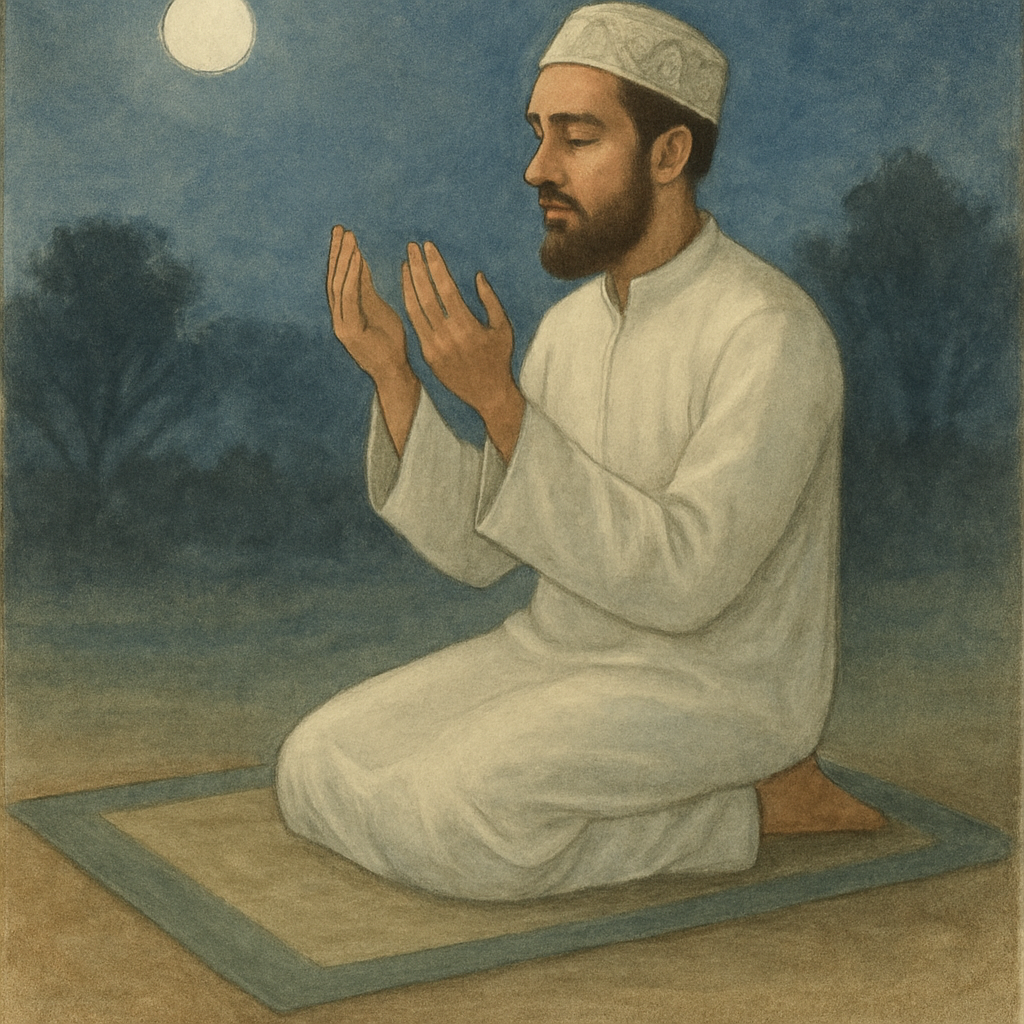
Istikhara should be performed when faced with uncertainty. It is essential during pivotal moments, needing clarity from divine guidance. This prayer seeks Allah’s assistance in choosing the best path.
Specific times when Istikhara is recommended include:
- Before making significant life decisions, such as marriage.
- When contemplating a job change or relocation.
- For guidance in any situation causing confusion.
It’s important to approach Istikhara when one’s heart is open. The prayer is ideally performed during times of peace and mindfulness. This ensures a sincere connection with Allah’s wisdom.
📚 Explore Our Latest Islamic Courses 📚
While there is no strict timing, performing Istikhara at night is preferable. This time offers solitude and focus, enhancing the spiritual experience. Seek Allah’s wisdom for clarity on your journey through life.
How to Perform Salat Istikhara: Step-by-Step Guide
Performing Salat Istikhara involves simple steps. Begin by making a sincere intention for seeking Allah’s guidance. This intention sets the stage for the prayer.
First, perform two Rak’ahs (units) of prayer. This serves as a special prayer for seeking guidance. Ensure your intentions remain focused on seeking clarity.
After completing these Rak’ahs, recite the Istikhara Dua. The dua is the core element, asking Allah for guidance. Reciting it with sincerity is crucial for an effective supplication.
To perform Istikhara properly, follow these steps:
- Perform Wudu (Ablution): Cleanse yourself to ensure purity.
- Pray Two Rak’ahs: Concentrate on your intention for clarity.
- Read the Istikhara Dua: Seek Allah’s help with a sincere heart.
- Remain Patient: Trust in the process and await signs of clarity.

Repeat the dua as needed. If clarity isn’t achieved initially, repeating increases understanding. Continue to ask with sincerity for Allah’s guidance.
📚 Explore Our Latest Islamic Courses 📚
Timing of the prayer can vary. While night offers peace, it can be done anytime. This makes Istikhara flexible for those seeking divine intervention.
Remember that Istikhara is personal. There’s no need for an Imam; it can be done alone. This personal connection emphasizes reliance on divine wisdom.
Istikhara Dua in Arabic, Transliteration, and English Translation
The Istikhara Dua is integral to the prayer. It can be recited in Arabic, offering spiritual depth. For those unfamiliar with Arabic, transliteration is helpful.
Istikhara Dua in Arabic
اَللّهُمَّ إنِّي أسْتَخيرُكَ بِعِلْمِكَ وأَسْتَقْدِرُكَ بِقُدْرَتِكَ وأَسْأَلُكَ مِنْ فَضْلِكَ العَظِيْمِ
Understanding the dua’s meaning enriches the experience. Thus, English translation and transliteration offer accessible understanding.
Istikhara Dua Transliteration and Translation
Transliteration:
📚 Explore Our Latest Islamic Courses 📚
Allahumma inni astakheeruka bi’ilmika wa’astaqdiruka biqudratika wa as’aluka min fadhlikal ‘azeem
English Translation:
O Allah, I seek the betterment by Your knowledge and by Your power, and I ask You of Your great bounty.
Having the dua in multiple formats allows everyone to participate in this spiritual act. Reading in one’s native language or transliteration ensures comprehension. This facilitates a deep connection with the prayer’s essence.
Istikhara for Marriage and Major Life Decisions
Istikhara is invaluable when facing major life choices. Decisions like marriage can bring uncertainty and anxiety. This is where Istikhara becomes crucial.
Performing Istikhara for marriage seeks divine approval and guidance. It helps individuals find clarity and peace before making commitments. Relying on Allah’s guidance ensures the decision aligns with divine wisdom.
For significant decisions, consider Istikhara as follows:
📚 Explore Our Latest Islamic Courses 📚
- Perform Istikhara with a sincere heart.
- Remain open to any outcome.
- Trust in the wisdom received.
The process of Istikhara emphasizes patience and faith. It offers reassurance, knowing the decision is in Allah’s hands. This spiritual practice enhances confidence in making informed choices.
Remember that Istikhara is not only for marriage. It can guide any significant life decision. Through Istikhara, one aligns their decision with a higher, spiritual insight. This ultimately enriches their life journey.
Common Questions About Istikhara
Many have questions when it comes to performing Istikhara. Understanding it can enhance its effectiveness and meaning. Here are some common queries and clarifications.
How do I do Istikhara? Istikhara involves a simple yet sacred process. It starts with performing two Rak’ahs of prayer, followed by a special dua. This dua seeks guidance and clarity from Allah.
When should Istikhara be performed? It can be done anytime, but night is preferable. At night, individuals can pray in peace and solitude. This encourages a deeper connection during supplication.
Do I have to perform Istikhara for every decision? While it’s beneficial for major decisions, not all choices need Istikhara. Use it when facing uncertainty or when a decision deeply impacts you.
Can Istikhara be repeated? Yes, if clarity isn’t achieved, it’s permissible. Repeating Istikhara shows sincerity and devotion to seeking guidance.
📚 Explore Our Latest Islamic Courses 📚
What if I don’t see results immediately? Patience is essential in Istikhara. Sometimes, the answer may come as feelings of peace or unease.
For a better understanding of Istikhara, consider these key points:
- Approach Istikhara with an open mind.
- Accept any outcome with trust in Allah.
- Be consistent in supplication for important matters.
Each person’s experience with Istikhara can differ. Yet, seeking divine assistance always brings spiritual growth and peace.
Understanding the Outcome: Signs, Feelings, and Interpretation
After performing Istikhara, individuals often seek signs or feelings that guide their decision. The outcome might not be immediate or obvious. It’s crucial to remain patient and attentive to subtle cues.
Interpretation of Istikhara results can include a sense of peace or discomfort. A peaceful feeling may indicate a positive choice, while discomfort might suggest reconsidering. These feelings often align with the natural flow of events in one’s life.
Signs can manifest in various forms, such as dreams or external circumstances. However, it’s important not to rely solely on dreams for decision-making. Instead, focus on the overall emotional response and external signs over time.
Consider these key points when interpreting the results of Istikhara:
📚 Explore Our Latest Islamic Courses 📚
- Intuition: Trust your instincts as they often reflect divine guidance.
- Consistency: Notice repeated patterns or messages.
- Patience: Some answers take time to unfold fully.
- Clarity: Seek clear, unobstructed understanding.

Each aspect of Istikhara guides towards a decision aligned with divine wisdom. Embrace the journey with trust and openness to Allah’s will.
Istikhara Benefits and Spiritual Wisdom
Istikhara offers numerous benefits for those seeking guidance. It’s a powerful way to connect with Allah. By turning to Him in uncertain times, Muslims strengthen their faith.
This practice fosters humility and reliance on divine wisdom. It reminds us of the limitations of human knowledge and the need for spiritual guidance. Embracing Istikhara encourages a deep, trusting relationship with Allah.
Beyond decision-making, Istikhara promotes inner peace. It brings clarity and assurance, helping individuals move forward with confidence. This spiritual practice can lead to a more mindful and reflective life.
Key benefits of Istikhara include:
- Peace of Mind: Reduces anxiety and stress.
- Trust in Allah: Reinforces reliance on divine wisdom.
- Clarity: Guides towards informed and confident decisions.
- Faith Building: Strengthens one’s spiritual connection with Allah.
Istikhara is not just a tool for guidance but a spiritual journey. It nurtures the soul, enhancing both understanding and contentment in life.
📚 Explore Our Latest Islamic Courses 📚
Tips for a Sincere and Effective Istikhara
Performing Istikhara with sincerity is crucial. A heartfelt approach opens the path to divine guidance. Focus on creating a peaceful environment, free from distractions.
Set a clear intention before starting the prayer. Approach Istikhara with an open heart and trust in Allah.
Here are some essential tips to ensure the effectiveness of your Istikhara:
- Prepare Mentally: Clear your mind of preconceptions.
- Cultivate Patience: Be ready to wait for signs.
- Seek Clarity: Ask specifically for guidance in your concerns.
- Repeat if Needed: It’s okay to perform multiple times for certainty.
Istikhara becomes more meaningful when you embrace these practices. They help strengthen your connection with Allah and enhance the spiritual experience.
Conclusion: Embracing Istikhara in Daily Life
Istikhara is more than a prayer; it’s a bridge to divine guidance. By integrating it into daily life, we make informed choices, grounded in spiritual wisdom.
Incorporating Istikhara fosters trust in Allah’s plan and nurtures patience in decision-making. It enhances our faith, reminding us of the power and comfort of spiritual reliance. By embracing Istikhara, we open our hearts to the vast possibilities and guidance provided by Allah in every step of our journey.