
Powerful Dua for Anxiety and Stress
In moments of anxiety and stress, many individuals find themselves seeking spiritual practices to attain solace and tranquility. Among these practices, the recitation of Dua, or supplication, holds a profound and significant place. In Islam, Dua is not just a ritual; it is a deep act of worship that allows individuals to seek guidance, comfort, and relief from Allah. This article explores the significance of Dua for anxiety and stress, providing comprehensive insights into its practice and the myriad benefits it offers.
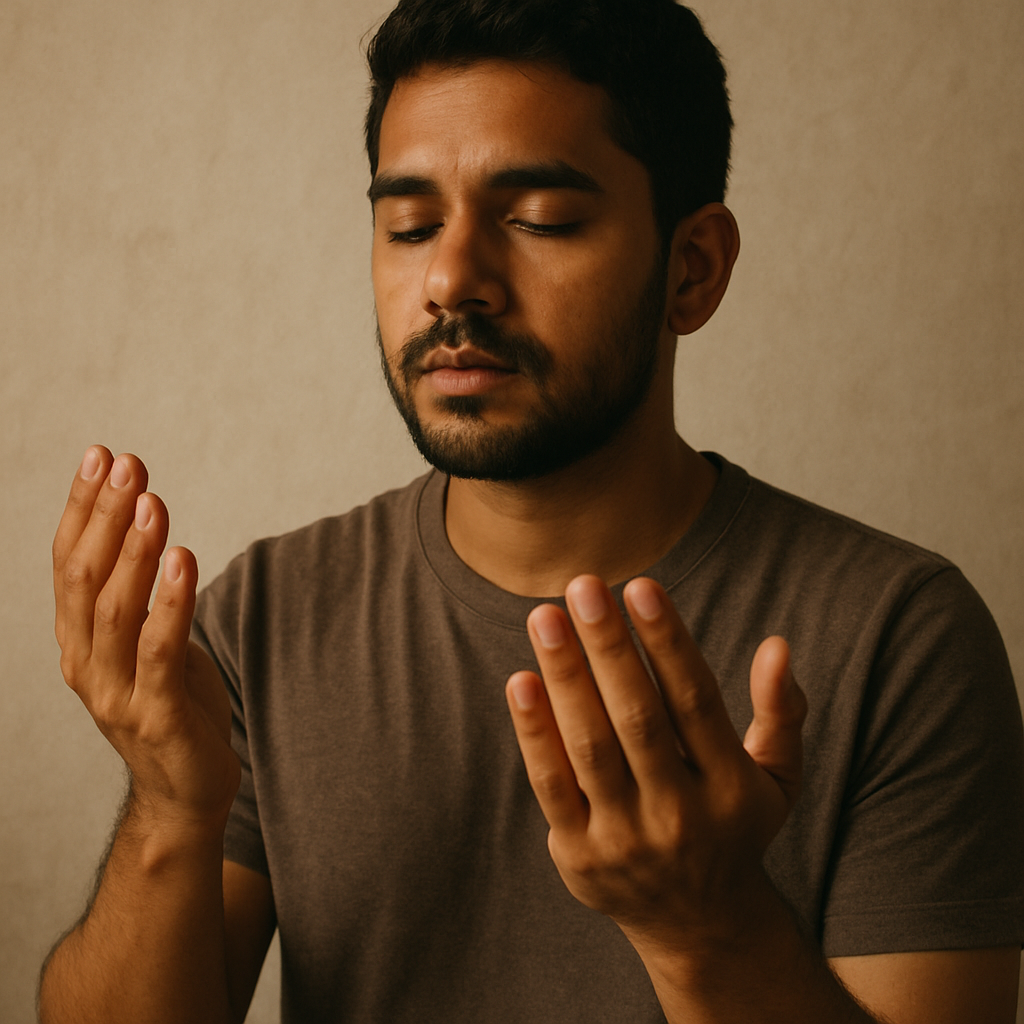
Dua is a heartfelt invocation to Allah, where believers express their hopes, fears, and desires. It serves as a direct line of communication with the Divine, offering a profound sense of closeness and reliance on Allah. In times of anxiety, stress, and other emotional challenges, Dua acts as a powerful tool for spiritual relief and mental peace.
The Essence of Dua as Communication
Dua transcends mere words; it is an intimate conversation with Allah. Through this sacred dialogue, believers pour out their innermost thoughts and emotions, fostering a deep spiritual connection. This act of communication is not bound by time or place, allowing individuals to reach out to Allah whenever and wherever they feel the need.
📚 Explore Our Latest Islamic Courses 📚






Dua as a Source of Spiritual Empowerment
In the face of life’s challenges, Dua empowers individuals by reminding them of Allah’s omnipotence and mercy. This empowerment stems from the belief that Allah listens to every supplication and provides guidance in times of need. By turning to Dua, believers find strength in the knowledge that they are never alone in their struggles.
The Healing Power of Surrender in Dua
Making Dua encourages believers to surrender their worries to Allah, fostering a profound sense of trust and acceptance. This act of surrender is crucial in reducing anxiety and stress, as it helps individuals focus on their faith and the belief that Allah’s plan is always for the best. By relinquishing control, believers experience a liberating sense of peace and assurance.
Essential Dua for Anxiety and Stress
There are several powerful Dua that one can recite during times of anxiety and stress. These supplications are not mere words; they are heartfelt prayers that reflect deep faith and reliance on Allah’s mercy.
📚 Explore Our Latest Islamic Courses 📚
Dua for Fear and Anxiety
“O Allah, I seek refuge in You from anxiety and sorrow, weakness and laziness, miserliness and cowardice, the burden of debts and from being overpowered by men.”
This comprehensive Dua serves as a plea for protection against various forms of emotional and financial distress. It acknowledges human vulnerabilities and seeks divine intervention for strength and comfort. By reciting this Dua, individuals find solace in the belief that Allah’s protection encompasses all aspects of their lives.
Dua for Times of Difficulty
“Our Lord, grant us good in this world and good in the Hereafter, and protect us from the torment of the Fire.”
📚 Explore Our Latest Islamic Courses 📚
This Dua is a reminder of the holistic nature of faith, seeking goodness both in this life and in the Hereafter. It is a powerful invocation for overall well-being and protection from hardship. By focusing on the duality of existence, this supplication encourages believers to strive for balance and harmony in their spiritual and worldly pursuits.
Dua for Ease and Tranquility
“There is no power or strength except with Allah.”
This simple yet profound statement emphasizes reliance on Allah’s power and strength. It serves as a calming reminder that, in moments of distress, true power lies with the Divine. By internalizing this belief, individuals can face their challenges with renewed courage and resilience, knowing that Allah is their ultimate source of support.
📚 Explore Our Latest Islamic Courses 📚
The Benefits of Reciting Dua

Regular recitation of Dua offers numerous benefits beyond spiritual relief. It can enhance mental resilience, promote emotional well-being, and foster a deeper connection with one’s faith.
Enhancing Emotional Well-being Through Dua
Engaging in Dua helps individuals process their emotions in a healthy way. By verbalizing fears and concerns, believers experience a cathartic release, reducing feelings of anxiety and sadness. This emotional expression is not only therapeutic but also reinforces the sense of being heard and understood by a higher power.
Strengthening Faith and Spiritual Resilience
Dua reinforces the belief in Allah’s wisdom and mercy, providing a solid foundation for facing life’s challenges with courage and hope. This strengthened faith acts as an anchor during turbulent times, offering assurance that Allah’s guidance is ever-present and unwavering.
📚 Explore Our Latest Islamic Courses 📚
Cultivating Patience, Gratitude, and Perspective
Through Dua, individuals learn to cultivate patience and gratitude, recognizing that every difficulty is a test and an opportunity for growth. This perspective shift significantly alleviates stress and anxiety by encouraging believers to view challenges as part of Allah’s divine plan, fostering a sense of purpose and acceptance.
Practical Tips for Making Dua
To maximize the benefits of Dua, consider the following practical tips:
Consistency as a Cornerstone of Spiritual Practice
Incorporate Dua into your daily routine, making it a consistent practice. This regularity not only strengthens your connection with Allah but also instills a sense of discipline and peace. By establishing a routine, Dua becomes an integral part of one’s life, offering continuous spiritual nourishment.
📚 Explore Our Latest Islamic Courses 📚
Creating a Peaceful and Focused Environment
Choose a quiet, serene place for your Dua, free from distractions. This environment enhances your focus and helps you connect more deeply with your supplication. By minimizing external disturbances, individuals can fully immerse themselves in their spiritual practice, allowing for a more meaningful experience.
Reflecting on the Meaning and Intent of Dua
Take time to understand the meaning behind the Dua you are reciting. This reflection fosters a more profound connection and increases the impact of your prayers. By contemplating the words and their significance, believers can align their intentions with their supplications, enhancing the sincerity and effectiveness of their prayers.
Real-Life Experiences: The Power of Dua
Many individuals have shared their personal experiences with Dua, highlighting its transformative power in their lives.
A Story of Overcoming Anxiety with Faith
Sarah, a young professional, struggled with chronic anxiety due to work pressures. Through consistent Dua and reliance on Allah, she found the strength to face her fears and develop coping strategies. Her story is a testament to the healing power of faith and supplication, demonstrating how spiritual practices can empower individuals to overcome personal challenges.
Finding Comfort and Guidance in Times of Loss

by Vitaly Gariev (https://unsplash.com/@silverkblack)
Ahmed experienced profound grief after the loss of a loved one. In his darkest moments, he turned to Dua for comfort and guidance. The act of making Dua provided him with a sense of peace and acceptance, helping him navigate his journey of healing. His experience underscores the role of Dua in offering solace and support during times of emotional turmoil.
Transformative Journeys Through Dua
Countless others have found strength, resilience, and hope through the practice of Dua. These real-life stories highlight the universal appeal and effectiveness of supplication in addressing various life challenges. By sharing these experiences, individuals inspire others to embrace the power of Dua in their own lives, fostering a community of faith and support.
Conclusion: Embrace the Power of Dua
Dua is a powerful spiritual tool that offers solace and strength in times of anxiety and stress. By incorporating these supplications into daily life, individuals can find comfort, guidance, and a deeper connection with their faith. Whether facing fear, difficulty, or sadness, remember that through Dua, Allah’s help is always within reach. Embrace this practice and experience the profound peace and tranquility it brings to your heart and soul. By making Dua an integral part of your spiritual journey, you open yourself to the transformative power of faith and divine intervention, leading to a life of greater fulfillment and serenity.
📚 Explore Our Latest Islamic Courses 📚