
Mastering the Art of Counting Tasbih

Mastering the Art of Counting Tasbih

In the realm of Islamic spirituality, counting tasbih is a revered practice, deeply rooted in tradition and devotion. Whether you are using a classic strand of dhikr beads or a modern tasbih counting app, the art of tasbih counting is an enriching journey of faith and mindfulness.

Traditional prayer beads

At its core, tasbih counting is the act of reciting specific phrases or prayers, typically 33, 66, or 99 times. This practice, also known as dhikr, is often performed using a physical set of prayer beads or a digital dhikr counter. The repetition of phrases like “Subhanallah” (Glory be to Allah), “Alhamdulillah” (Praise be to Allah), and “Allahu Akbar” (Allah is the Greatest) aims to foster a deeper connection with the divine and promote a sense of peace and reflection.

Tools for Counting Tasbih

Traditionally, Muslims have used dhikr beads, also called misbaha or subha, to keep track of their recitations. These beads often consist of 33 or 99 beads, with a larger bead to mark the start and end of a cycle. However, in the digital age, tasbih counting apps have become increasingly popular, providing a convenient and portable solution for modern practitioners.

Tasbih Apps and Online Counters
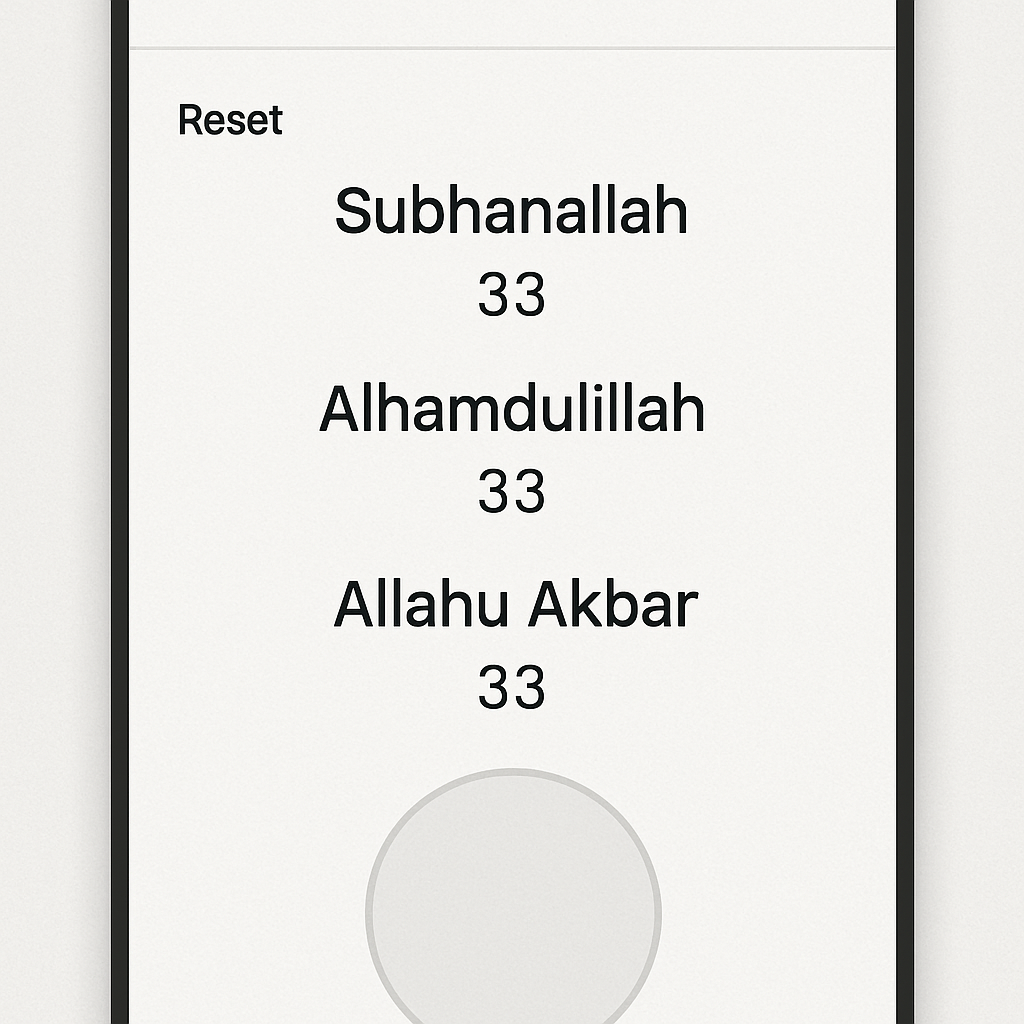
Dhikr app interface

Tasbih apps offer various features, such as customizable prayer lists, daily reminders, and the ability to track your progress over time. These apps can be especially useful for those who are new to the practice or wish to incorporate tasbih counting into their daily routine. Many tasbih counting apps also include an istighfar counter, which helps users keep track of their recitations for seeking forgiveness from Allah.

The Spiritual Benefits of Tasbih Counting

Engaging in tasbih counting is not just about fulfilling a religious obligation; it is also an opportunity for Islamic meditation and self-reflection. The rhythmic motion of bead counting or the gentle tapping on a digital counter can help calm the mind and center the spirit. Moreover, the act of repeating sacred phrases instills a sense of gratitude and mindfulness, allowing practitioners to focus on the blessings in their lives.

Tips for Effective Tasbih Counting

  1. Set a Specific Time: Designate a particular time each day for tasbih counting, such as after prayers or before bed, to establish a consistent routine.
  2. Create a Peaceful Environment: Find a quiet space free from distractions to enhance your concentration and spiritual focus.
  3. Use a Reliable Tool: Whether you prefer traditional prayer beads or a modern tasbih app, ensure your chosen tool is comfortable and easy to use.
  4. Reflect on the Words: As you recite each phrase, take a moment to ponder its meaning and significance in your life.

By mastering the art of counting tasbih, you can deepen your spiritual practice and cultivate a profound sense of inner peace. Whether you choose the tactile experience of dhikr beads or the convenience of a tasbih counting app, the journey of tasbih counting is a rewarding path to spiritual growth and enlightenment.

Similar Posts

  • Exploring the Growth of Muslim Schools in US

    Exploring the Growth of Muslim Schools in US In recent years, the landscape of education in the United States has become increasingly diverse, reflecting the country’s rich cultural tapestry. One significant aspect of this diversity is the growth of Muslim schools across the nation. These institutions play a crucial role in providing educational opportunities tailored to the needs of Muslim communities while also contributing to the broader educational landscape. In this article, we will explore the growth of Muslim schools in America, their unique features, and the impact they have on students and the community. The Rise of Islamic Schools in the United States Historical Context The establishment of Islamic schools in the United States is not a recent phenomenon. The first Muslim school in America was founded in the early 20th century. However, it wasn’t until the latter part of the century that the number of these schools began to increase significantly. This growth can be attributed to a variety of factors, including the increasing Muslim population in the US and the desire of Muslim parents to provide their children with an education that aligns with their religious and cultural values. Current Landscape Today, there are hundreds of Islamic schools scattered across the United States. These schools vary in size and scope, ranging from small community-based institutions to large, well-established schools offering comprehensive educational programs. They can be found in both urban and suburban areas, serving a diverse student body that includes children from various ethnic and socio-economic backgrounds. What Makes Islamic Schools Unique? Curriculum and Educational Approach Islamic schools in the United States offer a curriculum that combines standard academic subjects with Islamic studies. This dual approach allows students to receive a well-rounded education that not only prepares them for higher education and future careers but also instills a strong understanding of their faith and cultural identity. Subjects such as mathematics, science, and language arts are taught alongside courses in Quranic studies, Islamic history, and Arabic language. This integration of religious and secular education helps students develop a comprehensive worldview that is informed by both their faith and contemporary knowledge. Prayer and Religious Activities One of the distinguishing features of Muslim schools is the incorporation of prayer times and religious activities into the daily schedule. Unlike public schools, Islamic schools provide opportunities for students to perform daily prayers and participate in religious observances. This not only supports the spiritual development of students but also fosters a sense of community and belonging. Cultural Sensitivity and Inclusivity Islamic schools are designed to be culturally sensitive environments where students can learn and grow in a setting that respects and celebrates their religious and cultural identity. These schools often host events and activities that promote cultural awareness and understanding, both within the Muslim community and beyond. The Impact of Muslim Schools on Students and Communities Academic Achievement Research has shown that students in Islamic schools often perform well academically. This success can be attributed to several factors, including smaller class sizes, dedicated teachers, and a supportive learning environment. Moreover, the integration of religious and secular education helps students develop critical thinking skills and a strong moral compass, which can contribute to their academic success. Social and Emotional Development Islamic schools provide a nurturing environment that supports the social and emotional development of students. The emphasis on community, respect, and empathy helps students build strong interpersonal skills and develop a sense of responsibility towards others. This holistic approach to education prepares students to be active, engaged members of society. Strengthening the US Muslim Community by Muhammad Adil (https://unsplash.com/@ini_adil) The growth of Muslim schools has had a positive impact on the broader US Muslim community. These institutions serve as community hubs where families can connect, share resources, and support one another. Additionally, they play a vital role in preserving cultural and religious traditions, ensuring that future generations remain connected to their heritage. Challenges and Opportunities Addressing Misconceptions Despite their growth and success, Islamic schools in the United States still face challenges, including misconceptions and stereotypes about their nature and purpose. It is crucial for these schools to engage with the broader community and promote understanding through open communication and outreach efforts. Expanding Access and Resources While the number of Islamic schools has increased, there is still a need to expand access to these educational opportunities, particularly in underserved areas. This requires collaboration between educators, community leaders, and policymakers to ensure that resources and support are available to help these schools thrive….