
Benefits of Prayer After Fajr Explained

Benefits of Prayer After Fajr Explained

Prayer is a fundamental aspect of Islamic practice, offering spiritual, mental, and physical benefits. Among the five daily prayers, Fajr holds a unique position as it takes place in the stillness of early morning, setting the tone for the rest of the day. In this article, we’ll explore the benefits of prayer after Fajr, the significance of this early morning ritual, and how it can enhance your daily spiritual routine.
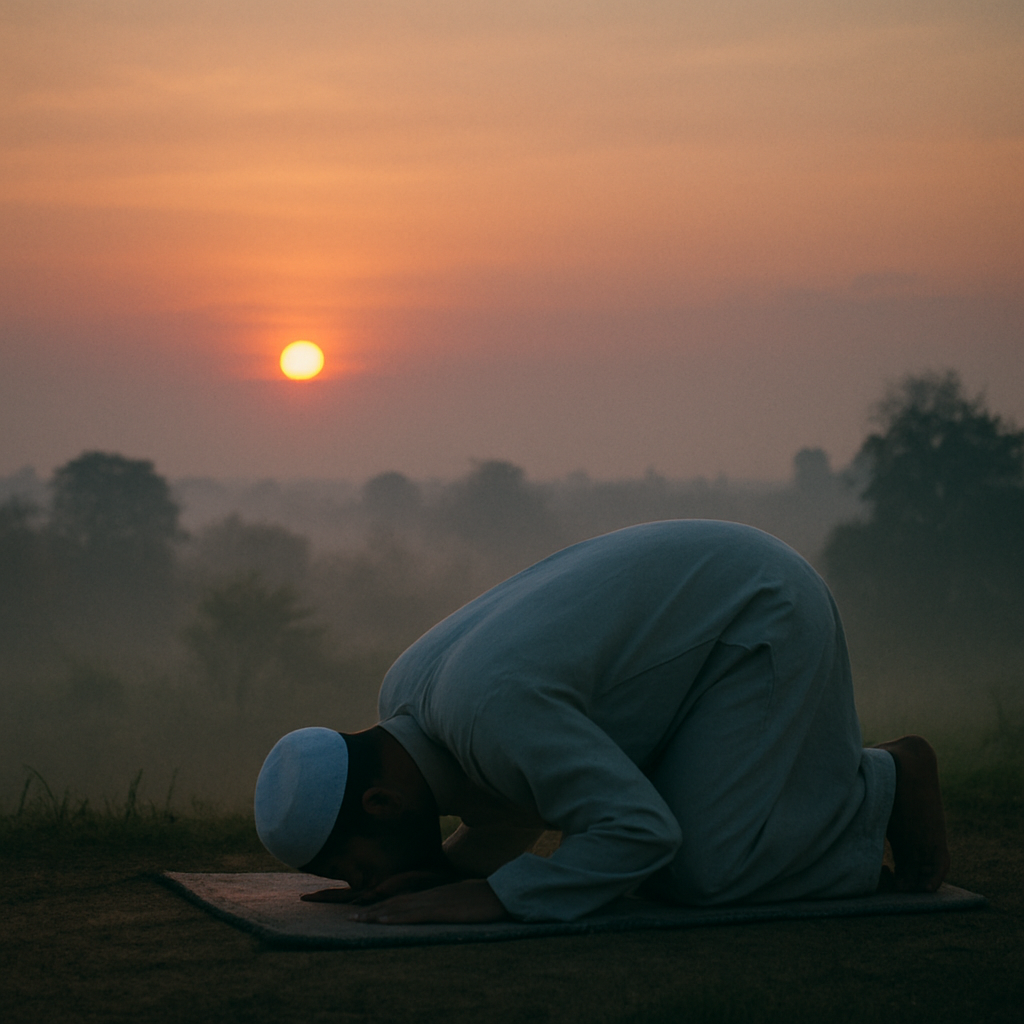
Muslim praying at dawn

The Fajr prayer is the first of the five obligatory prayers in Islam, performed before sunrise. It consists of two units (rakats) and is a time for Muslims to connect with Allah at the start of their day. The tranquility of the early morning hours provides an ideal setting for reflection and devotion, away from the distractions of daily life.

The Importance of Fajr Prayer

Performing Fajr prayer holds great significance in Islam. It is not only an act of obedience to Allah but also a demonstration of a believer’s commitment and discipline. The Prophet Muhammad (peace be upon him) emphasized the importance of Fajr, stating that the two rakats before Fajr are better than the world and all it contains.

Spiritual Benefits of Fajr Prayer

Prayer after Fajr offers numerous spiritual benefits. It strengthens the bond between the believer and Allah, providing a sense of peace and fulfillment. Engaging in early morning prayers helps set a positive spiritual tone for the day, fostering mindfulness and gratitude.

The Practice of Dua After Fajr

Hands raised in prayer

Dua, or supplication, is a powerful aspect of Islamic worship. Making dua after Fajr can enhance the spiritual experience and bring additional blessings. One common practice is to recite specific duas or supplications 100 times after Fajr, as encouraged by Islamic tradition.

Dua After Fajr Sunnah 100 Times

Reciting certain duas 100 times after Fajr is a sunnah, or recommended practice, that many Muslims follow. These supplications often focus on seeking forgiveness, guidance, and protection. Consistent practice of dua after Fajr can lead to spiritual growth and a deeper connection with Allah.

Recommended Duas After Fajr

Some popular duas to recite after Fajr include:

  • Seeking forgiveness (Astaghfirullah)
  • Praising Allah (Subhanallah, Alhamdulillah, Allahu Akbar)
  • Seeking guidance and protection from harm

Reciting these duas with sincerity and focus can bring peace and tranquility to your morning routine.

Mental and Physical Benefits of Early Morning Prayers

Performing Fajr prayer and subsequent supplications can have positive effects on mental and physical well-being. The early morning hours are often the most peaceful, providing an ideal environment for reflection and meditation.

Mental Clarity and Focus

Starting the day with Fajr prayer can improve mental clarity and focus. The quiet moments of reflection and devotion help clear the mind, allowing individuals to approach their daily tasks with renewed energy and purpose.

Improved Sleep Patterns

Waking up for Fajr prayer can contribute to healthier sleep patterns. The discipline of rising early encourages regular sleep schedules, which can improve overall sleep quality and promote better health.

Physical Health Benefits

The physical movements involved in prayer, including standing, bowing, and prostrating, offer light exercise that can enhance flexibility and circulation. Additionally, the practice of early morning prayer encourages a routine that can lead to a more active and healthy lifestyle.

What to Do After Fajr Prayer

Morning routine planning

by Vitaly Gariev (https://unsplash.com/@silverkblack)

After completing Fajr prayer and supplications, there are several activities that can enhance your spiritual and personal growth:

Engaging in Quranic Recitation

Reading or listening to the Quran after Fajr can deepen your understanding of Islamic teachings and provide spiritual nourishment. The calmness of the morning is an excellent time for contemplation and reflection on the words of Allah.

Planning Your Day

Using the time after Fajr to plan your day can increase productivity and set clear intentions. Consider writing down your goals and priorities, allowing you to approach your tasks with focus and determination.

Practicing Gratitude

Expressing gratitude after Fajr prayer can cultivate a positive mindset. Reflect on the blessings in your life and thank Allah for His mercy and guidance. This practice can lead to increased contentment and happiness.

Incorporating Fajr Prayer into Your Spiritual Routine

To fully experience the benefits of Fajr prayer, consider incorporating it into your daily spiritual routine. Here are some tips to help you make Fajr prayer a consistent part of your life:

Set a Regular Sleep Schedule

Prioritize sleep to ensure you wake up refreshed and ready for Fajr prayer. Aim for a consistent bedtime that allows you to get adequate rest each night.

Create a Peaceful Prayer Space

Designate a quiet area in your home for prayer and reflection. A peaceful environment can enhance your focus and devotion during Fajr prayer.

Stay Consistent

Commit to performing Fajr prayer daily, even on weekends or days off. Consistency strengthens discipline and helps solidify the habit of early morning prayer.

Conclusion

The benefits of prayer after Fajr are vast, encompassing spiritual, mental, and physical well-being. By incorporating Fajr prayer and subsequent supplications into your daily routine, you can cultivate a deeper connection with Allah, enhance your mental clarity, and improve your overall health. Embrace the tranquility of the early morning hours and let Fajr prayer set the tone for a fulfilling and spiritually enriched day.

Similar Posts

  • Exploring the Growth of Muslim Schools in US

    Exploring the Growth of Muslim Schools in US In recent years, the landscape of education in the United States has become increasingly diverse, reflecting the country’s rich cultural tapestry. One significant aspect of this diversity is the growth of Muslim schools across the nation. These institutions play a crucial role in providing educational opportunities tailored to the needs of Muslim communities while also contributing to the broader educational landscape. In this article, we will explore the growth of Muslim schools in America, their unique features, and the impact they have on students and the community. The Rise of Islamic Schools in the United States Historical Context The establishment of Islamic schools in the United States is not a recent phenomenon. The first Muslim school in America was founded in the early 20th century. However, it wasn’t until the latter part of the century that the number of these schools began to increase significantly. This growth can be attributed to a variety of factors, including the increasing Muslim population in the US and the desire of Muslim parents to provide their children with an education that aligns with their religious and cultural values. Current Landscape Today, there are hundreds of Islamic schools scattered across the United States. These schools vary in size and scope, ranging from small community-based institutions to large, well-established schools offering comprehensive educational programs. They can be found in both urban and suburban areas, serving a diverse student body that includes children from various ethnic and socio-economic backgrounds. What Makes Islamic Schools Unique? Curriculum and Educational Approach Islamic schools in the United States offer a curriculum that combines standard academic subjects with Islamic studies. This dual approach allows students to receive a well-rounded education that not only prepares them for higher education and future careers but also instills a strong understanding of their faith and cultural identity. Subjects such as mathematics, science, and language arts are taught alongside courses in Quranic studies, Islamic history, and Arabic language. This integration of religious and secular education helps students develop a comprehensive worldview that is informed by both their faith and contemporary knowledge. Prayer and Religious Activities One of the distinguishing features of Muslim schools is the incorporation of prayer times and religious activities into the daily schedule. Unlike public schools, Islamic schools provide opportunities for students to perform daily prayers and participate in religious observances. This not only supports the spiritual development of students but also fosters a sense of community and belonging. Cultural Sensitivity and Inclusivity Islamic schools are designed to be culturally sensitive environments where students can learn and grow in a setting that respects and celebrates their religious and cultural identity. These schools often host events and activities that promote cultural awareness and understanding, both within the Muslim community and beyond. The Impact of Muslim Schools on Students and Communities Academic Achievement Research has shown that students in Islamic schools often perform well academically. This success can be attributed to several factors, including smaller class sizes, dedicated teachers, and a supportive learning environment. Moreover, the integration of religious and secular education helps students develop critical thinking skills and a strong moral compass, which can contribute to their academic success. Social and Emotional Development Islamic schools provide a nurturing environment that supports the social and emotional development of students. The emphasis on community, respect, and empathy helps students build strong interpersonal skills and develop a sense of responsibility towards others. This holistic approach to education prepares students to be active, engaged members of society. Strengthening the US Muslim Community by Muhammad Adil (https://unsplash.com/@ini_adil) The growth of Muslim schools has had a positive impact on the broader US Muslim community. These institutions serve as community hubs where families can connect, share resources, and support one another. Additionally, they play a vital role in preserving cultural and religious traditions, ensuring that future generations remain connected to their heritage. Challenges and Opportunities Addressing Misconceptions Despite their growth and success, Islamic schools in the United States still face challenges, including misconceptions and stereotypes about their nature and purpose. It is crucial for these schools to engage with the broader community and promote understanding through open communication and outreach efforts. Expanding Access and Resources While the number of Islamic schools has increased, there is still a need to expand access to these educational opportunities, particularly in underserved areas. This requires collaboration between educators, community leaders, and policymakers to ensure that resources and support are available to help these schools thrive….

  • Mastering Arabic Conversation Course

    Mastering Arabic Conversation Course Learning a new language can be a challenging yet rewarding endeavor. Arabic, with its rich history and widespread use, is no exception. Whether you’re a beginner or looking to enhance your conversational skills, mastering Arabic can open doors to new opportunities, both personal and professional. This comprehensive Arabic conversation course is designed to guide you through the essentials and help you become fluent in speaking Arabic. Before diving into the intricacies of the Arabic language, it’s important to understand why learning Arabic is beneficial. Arabic is spoken by over 300 million people across more than 20 countries. It is the liturgical language of Islam and is used in many cultural, business, and diplomatic contexts. Cultural Enrichment Learning Arabic provides a deeper understanding of the rich cultural heritage of the Arab world. From literature and music to cuisine and customs, Arabic opens up a world of fascinating traditions and stories. 📚 Explore Our Latest Islamic Courses 📚 8 Year Dars e Nizami Alim Course – Rabia Khasa Part 2 | Jamia Tul Hassaan Online (HEC & Kanzul…