
Benefits of Prayer After Fajr Explained
Prayer is a fundamental aspect of Islamic practice, offering spiritual, mental, and physical benefits. Among the five daily prayers, Fajr holds a unique position as it takes place in the stillness of early morning, setting the tone for the rest of the day. In this article, we’ll explore the benefits of prayer after Fajr, the significance of this early morning ritual, and how it can enhance your daily spiritual routine.
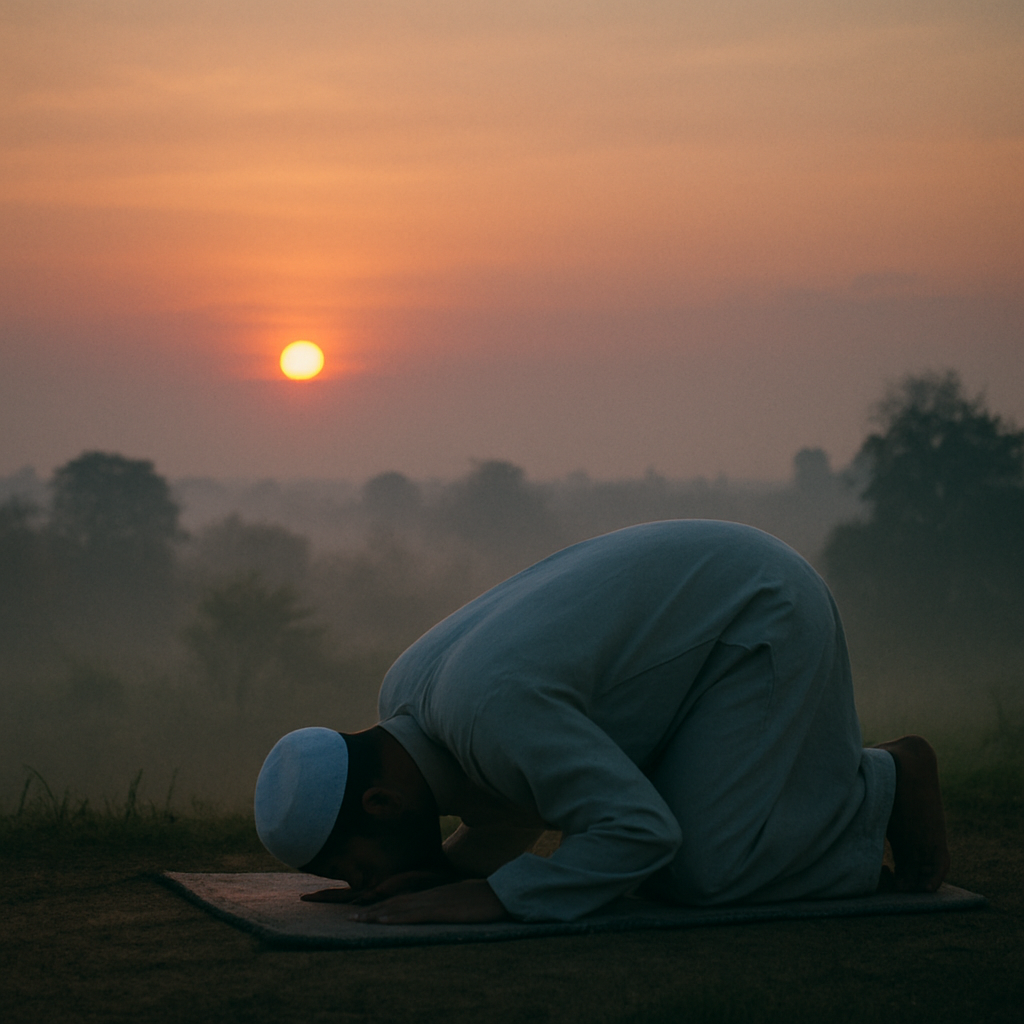
The Fajr prayer is the first of the five obligatory prayers in Islam, performed before sunrise. It consists of two units (rakats) and is a time for Muslims to connect with Allah at the start of their day. The tranquility of the early morning hours provides an ideal setting for reflection and devotion, away from the distractions of daily life.
The Importance of Fajr Prayer
Performing Fajr prayer holds great significance in Islam. It is not only an act of obedience to Allah but also a demonstration of a believer’s commitment and discipline. The Prophet Muhammad (peace be upon him) emphasized the importance of Fajr, stating that the two rakats before Fajr are better than the world and all it contains.
Spiritual Benefits of Fajr Prayer
Prayer after Fajr offers numerous spiritual benefits. It strengthens the bond between the believer and Allah, providing a sense of peace and fulfillment. Engaging in early morning prayers helps set a positive spiritual tone for the day, fostering mindfulness and gratitude.
📚 Explore Our Latest Islamic Courses 📚






The Practice of Dua After Fajr
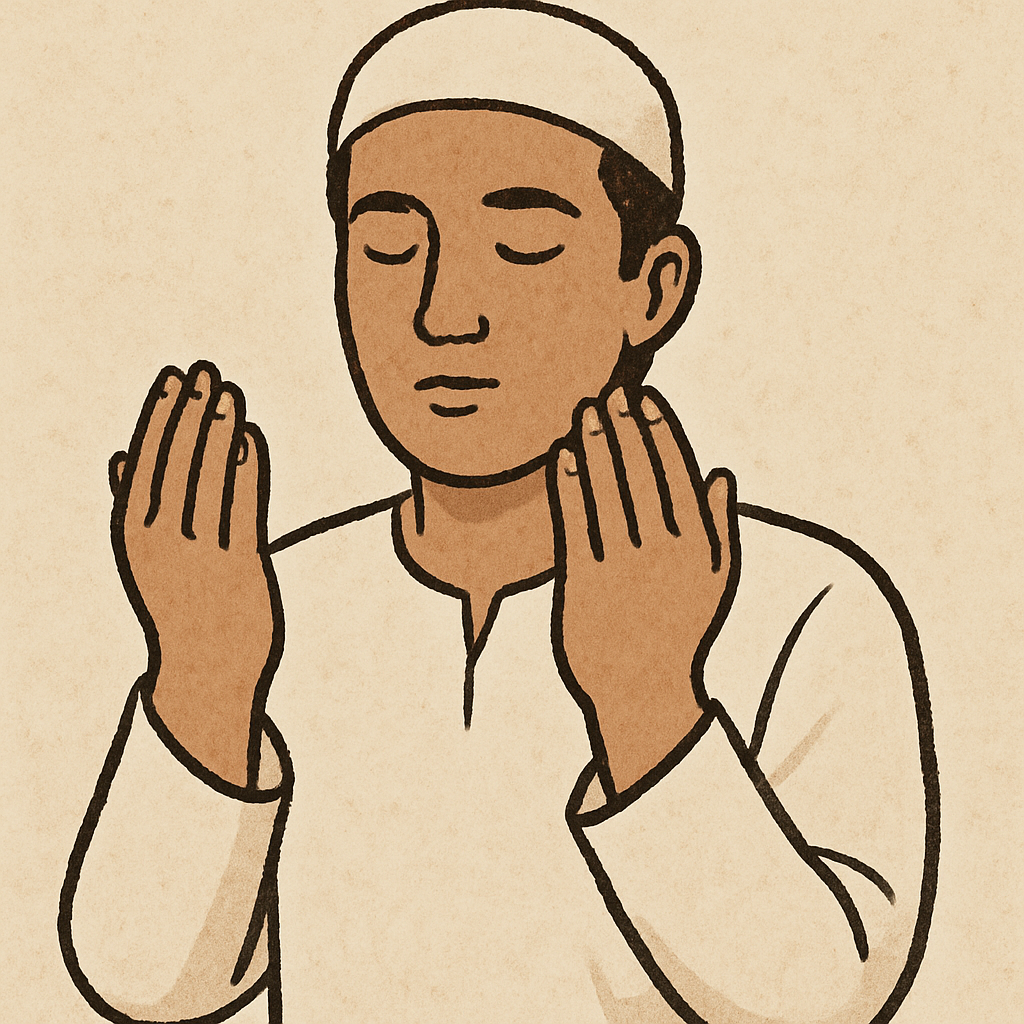
Dua, or supplication, is a powerful aspect of Islamic worship. Making dua after Fajr can enhance the spiritual experience and bring additional blessings. One common practice is to recite specific duas or supplications 100 times after Fajr, as encouraged by Islamic tradition.
Dua After Fajr Sunnah 100 Times
Reciting certain duas 100 times after Fajr is a sunnah, or recommended practice, that many Muslims follow. These supplications often focus on seeking forgiveness, guidance, and protection. Consistent practice of dua after Fajr can lead to spiritual growth and a deeper connection with Allah.
Recommended Duas After Fajr
Some popular duas to recite after Fajr include:
- Seeking forgiveness (Astaghfirullah)
- Praising Allah (Subhanallah, Alhamdulillah, Allahu Akbar)
- Seeking guidance and protection from harm
Reciting these duas with sincerity and focus can bring peace and tranquility to your morning routine.
📚 Explore Our Latest Islamic Courses 📚
Mental and Physical Benefits of Early Morning Prayers
Performing Fajr prayer and subsequent supplications can have positive effects on mental and physical well-being. The early morning hours are often the most peaceful, providing an ideal environment for reflection and meditation.
Mental Clarity and Focus
Starting the day with Fajr prayer can improve mental clarity and focus. The quiet moments of reflection and devotion help clear the mind, allowing individuals to approach their daily tasks with renewed energy and purpose.
Improved Sleep Patterns
Waking up for Fajr prayer can contribute to healthier sleep patterns. The discipline of rising early encourages regular sleep schedules, which can improve overall sleep quality and promote better health.
Physical Health Benefits
The physical movements involved in prayer, including standing, bowing, and prostrating, offer light exercise that can enhance flexibility and circulation. Additionally, the practice of early morning prayer encourages a routine that can lead to a more active and healthy lifestyle.
📚 Explore Our Latest Islamic Courses 📚
What to Do After Fajr Prayer

by Vitaly Gariev (https://unsplash.com/@silverkblack)
After completing Fajr prayer and supplications, there are several activities that can enhance your spiritual and personal growth:
Engaging in Quranic Recitation
Reading or listening to the Quran after Fajr can deepen your understanding of Islamic teachings and provide spiritual nourishment. The calmness of the morning is an excellent time for contemplation and reflection on the words of Allah.
Planning Your Day
Using the time after Fajr to plan your day can increase productivity and set clear intentions. Consider writing down your goals and priorities, allowing you to approach your tasks with focus and determination.
📚 Explore Our Latest Islamic Courses 📚
Practicing Gratitude
Expressing gratitude after Fajr prayer can cultivate a positive mindset. Reflect on the blessings in your life and thank Allah for His mercy and guidance. This practice can lead to increased contentment and happiness.
Incorporating Fajr Prayer into Your Spiritual Routine
To fully experience the benefits of Fajr prayer, consider incorporating it into your daily spiritual routine. Here are some tips to help you make Fajr prayer a consistent part of your life:
Set a Regular Sleep Schedule
Prioritize sleep to ensure you wake up refreshed and ready for Fajr prayer. Aim for a consistent bedtime that allows you to get adequate rest each night.
Create a Peaceful Prayer Space
Designate a quiet area in your home for prayer and reflection. A peaceful environment can enhance your focus and devotion during Fajr prayer.
Stay Consistent
Commit to performing Fajr prayer daily, even on weekends or days off. Consistency strengthens discipline and helps solidify the habit of early morning prayer.
Conclusion
The benefits of prayer after Fajr are vast, encompassing spiritual, mental, and physical well-being. By incorporating Fajr prayer and subsequent supplications into your daily routine, you can cultivate a deeper connection with Allah, enhance your mental clarity, and improve your overall health. Embrace the tranquility of the early morning hours and let Fajr prayer set the tone for a fulfilling and spiritually enriched day.
📚 Explore Our Latest Islamic Courses 📚