Exploring Islamic Jurisprudence Courses and Overview

Exploring Islamic Jurisprudence Courses and Overview

Embarking on a journey to understand Islamic jurisprudence is a profound endeavor that offers insightful perspectives on the Islamic legal system. This course overview provides a glimpse into the intricate world of Islamic law, known as Fiqh, and the various educational pathways available for those interested in deepening their knowledge.

Islamic jurisprudence, or Fiqh, is the human understanding and practices of the Shariah, the divine law as revealed in the Quran and the teachings of Prophet Muhammad. It covers a wide range of topics, from daily rituals to business transactions and criminal law. Fiqh lessons are essential for anyone seeking to understand the comprehensive framework that governs the lives of Muslims around the world.

Islamic jurisprudence concept

Course Structure and Content

Islamic jurisprudence courses are designed to provide a thorough understanding of the principles and applications of Islamic law. These courses typically cover:

  • Fundamentals of Fiqh: Students start with the basics, learning about the sources of Islamic law, including the Quran, Hadith, consensus (Ijma), and analogical reasoning (Qiyas).
  • Schools of Thought: The course explores the different schools of Islamic jurisprudence, such as Hanafi, Maliki, Shafi’i, and Hanbali, each offering unique interpretations and applications of Islamic law.
  • Contemporary Applications: Modern-day issues and how Islamic law is applied to them are discussed, providing a relevant and practical understanding of Fiqh.

Online Fiqh Classes

With the growing demand for accessible Islamic education courses, many institutions now offer Fiqh classes online. These online courses provide flexibility and convenience, allowing students to learn at their own pace from anywhere in the world. Online platforms offer interactive lessons, video lectures, and discussion forums to facilitate a comprehensive learning experience.

Benefits of Studying Islamic Jurisprudence

Studying Islamic jurisprudence is not only beneficial for personal spiritual growth but also for those interested in careers in Islamic legal education, Shariah advisory, or Islamic studies programs. It equips students with critical thinking skills and a deep understanding of ethical and moral principles that are applicable in various aspects of life.

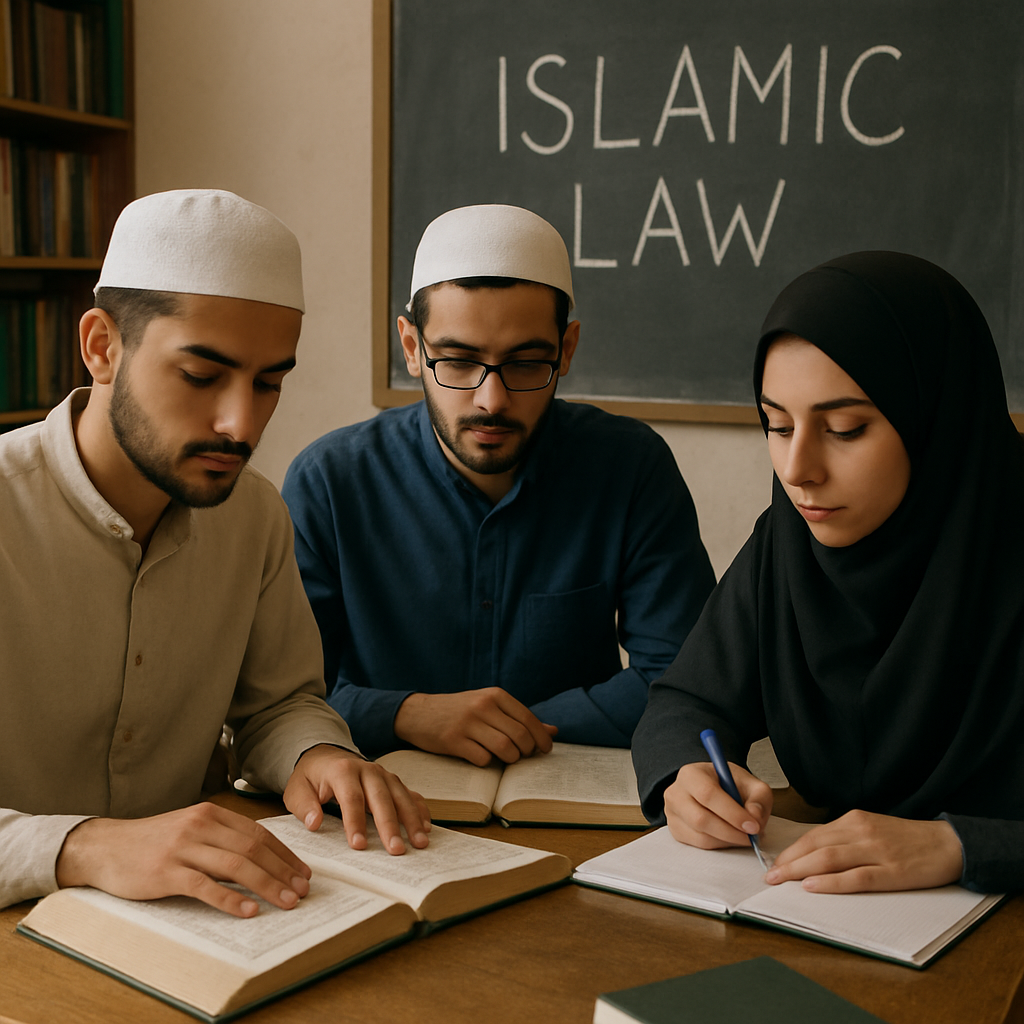
Students studying Islamic law

Enrolling in Islamic Law Courses

For those interested in pursuing Islamic studies programs, there are numerous institutions offering specialized courses in Islamic jurisprudence. These programs cater to different levels of expertise, from beginners to advanced learners, and often include a combination of theoretical and practical training.

In conclusion, exploring Islamic jurisprudence through structured courses is an enriching experience that offers invaluable insights into the law of Islam. Whether you’re looking to expand your knowledge for personal or professional reasons, enrolling in Fiqh classes can be a transformative journey.

Are you ready to start your exploration into the fascinating world of Islamic law? Consider enrolling in a course today to begin your educational journey.


Similar Posts

  • Exploring the Growth of Muslim Schools in US

    Exploring the Growth of Muslim Schools in US In recent years, the landscape of education in the United States has become increasingly diverse, reflecting the country’s rich cultural tapestry. One significant aspect of this diversity is the growth of Muslim schools across the nation. These institutions play a crucial role in providing educational opportunities tailored to the needs of Muslim communities while also contributing to the broader educational landscape. In this article, we will explore the growth of Muslim schools in America, their unique features, and the impact they have on students and the community. The Rise of Islamic Schools in the United States Historical Context The establishment of Islamic schools in the United States is not a recent phenomenon. The first Muslim school in America was founded in the early 20th century. However, it wasn’t until the latter part of the century that the number of these schools began to increase significantly. This growth can be attributed to a variety of factors, including the increasing Muslim population in the US and the desire of Muslim parents to provide their children with an education that aligns with their religious and cultural values. Current Landscape Today, there are hundreds of Islamic schools scattered across the United States. These schools vary in size and scope, ranging from small community-based institutions to large, well-established schools offering comprehensive educational programs. They can be found in both urban and suburban areas, serving a diverse student body that includes children from various ethnic and socio-economic backgrounds. What Makes Islamic Schools Unique? Curriculum and Educational Approach Islamic schools in the United States offer a curriculum that combines standard academic subjects with Islamic studies. This dual approach allows students to receive a well-rounded education that not only prepares them for higher education and future careers but also instills a strong understanding of their faith and cultural identity. Subjects such as mathematics, science, and language arts are taught alongside courses in Quranic studies, Islamic history, and Arabic language. This integration of religious and secular education helps students develop a comprehensive worldview that is informed by both their faith and contemporary knowledge. Prayer and Religious Activities One of the distinguishing features of Muslim schools is the incorporation of prayer times and religious activities into the daily schedule. Unlike public schools, Islamic schools provide opportunities for students to perform daily prayers and participate in religious observances. This not only supports the spiritual development of students but also fosters a sense of community and belonging. Cultural Sensitivity and Inclusivity Islamic schools are designed to be culturally sensitive environments where students can learn and grow in a setting that respects and celebrates their religious and cultural identity. These schools often host events and activities that promote cultural awareness and understanding, both within the Muslim community and beyond. The Impact of Muslim Schools on Students and Communities Academic Achievement Research has shown that students in Islamic schools often perform well academically. This success can be attributed to several factors, including smaller class sizes, dedicated teachers, and a supportive learning environment. Moreover, the integration of religious and secular education helps students develop critical thinking skills and a strong moral compass, which can contribute to their academic success. Social and Emotional Development Islamic schools provide a nurturing environment that supports the social and emotional development of students. The emphasis on community, respect, and empathy helps students build strong interpersonal skills and develop a sense of responsibility towards others. This holistic approach to education prepares students to be active, engaged members of society. Strengthening the US Muslim Community by Muhammad Adil (https://unsplash.com/@ini_adil) The growth of Muslim schools has had a positive impact on the broader US Muslim community. These institutions serve as community hubs where families can connect, share resources, and support one another. Additionally, they play a vital role in preserving cultural and religious traditions, ensuring that future generations remain connected to their heritage. Challenges and Opportunities Addressing Misconceptions Despite their growth and success, Islamic schools in the United States still face challenges, including misconceptions and stereotypes about their nature and purpose. It is crucial for these schools to engage with the broader community and promote understanding through open communication and outreach efforts. Expanding Access and Resources While the number of Islamic schools has increased, there is still a need to expand access to these educational opportunities, particularly in underserved areas. This requires collaboration between educators, community leaders, and policymakers to ensure that resources and support are available to help these schools thrive….