Exploring the Best Islamic Websites Online
In today’s digital era, the internet serves as a vital resource for individuals seeking knowledge and connection. For Muslims around the world, numerous Islamic websites offer a wealth of information, support, and community engagement. Whether you’re seeking religious guidance, scholarly articles, or community resources, these platforms cater to a variety of needs. Let’s explore some of the best Islamic websites online.
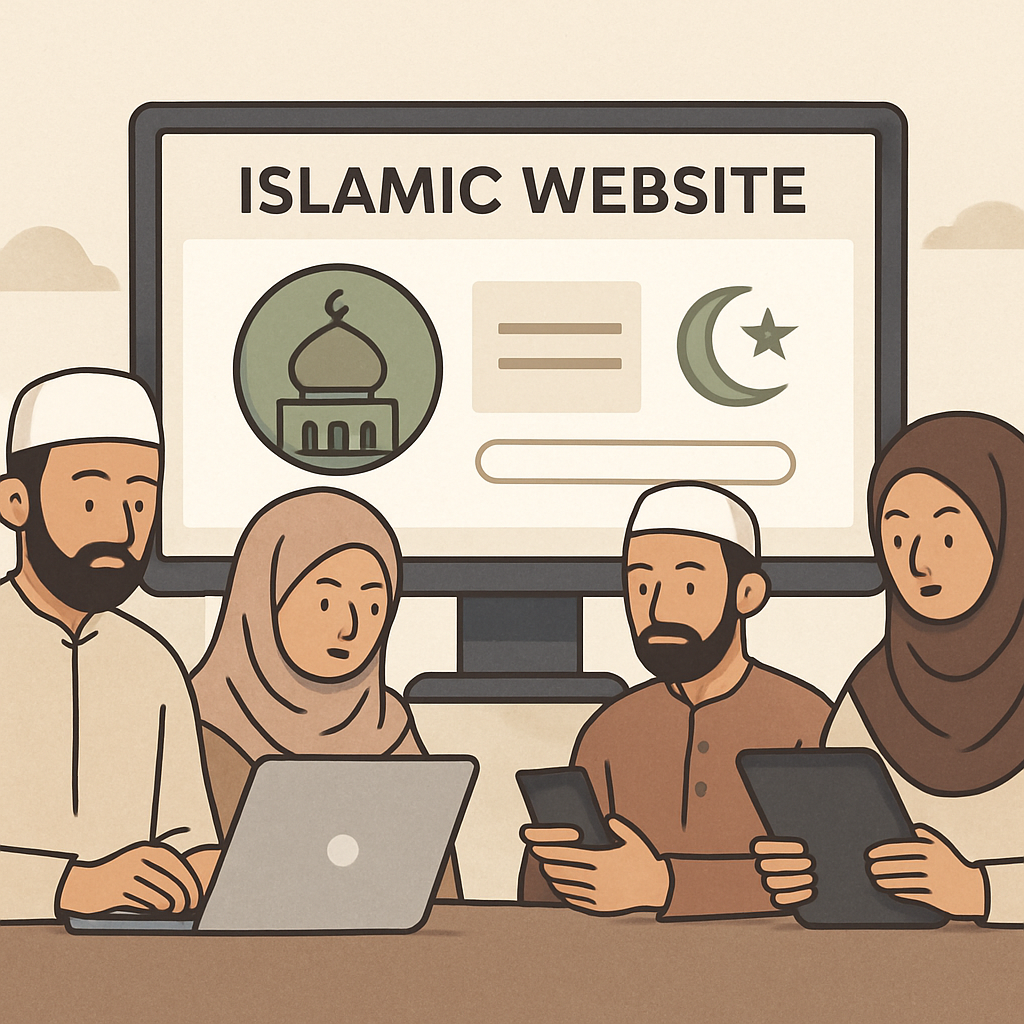
The internet’s vast landscape includes countless platforms dedicated to Islamic teachings and community support. These websites provide access to a wide range of content, from Quranic studies to Islamic banking services. Understanding the categories and purposes of these platforms can help you navigate the resources most beneficial for your needs.
Categories of Islamic Websites
Islamic websites can be broadly categorized into several types:
📚 Explore Our Latest Islamic Courses 📚






- Educational Platforms: These sites provide Quranic studies, Hadith collections, and scholarly articles.
- Community and Social Networks: Platforms that foster connection among Muslims worldwide.
- Banking and Financial Services: Websites like Islami Bank Bangladesh and others offer Islamic banking solutions.
- Cultural and Lifestyle: Sites focusing on Islamic art, culture, and lifestyle content.
Each category serves a specific purpose, enabling Muslims to find the information and support they need.
Noteworthy Islamic Website
Dawat-e-Islami Official Website
Dawat-e-Islami is a global Islamic organization dedicated to preaching and spreading the teachings of Islam. Their official website offers a comprehensive range of resources, including religious articles, videos, and an online library for Quranic study. This platform serves as a central hub for those interested in learning more about Islam’s rich traditions and practices.
Islamic Community Platforms
Web Islamic platforms offer a digital space for Muslims to connect, share experiences, and support one another. Websites like Islami Chhatra Shibir focus on creating a sense of community among young Muslims, providing guidance and resources to help them navigate modern challenges while adhering to Islamic principles.
Quranic Websites
For those seeking to deepen their understanding of the Quran, dedicated Quranic websites offer valuable resources. These platforms provide translations, commentaries, and audio recitations to enhance your study of the holy text. Websites like Quran.com and others deliver a comprehensive digital experience for Quranic learning.
📚 Explore Our Latest Islamic Courses 📚
Exploring the Role of Islamic Websites
Enhancing Religious Knowledge
Islamic websites play a crucial role in enhancing religious knowledge by offering accessible and reliable information. They allow individuals to study religious texts, learn about Islamic history, and gain insights from esteemed scholars. This accessibility is particularly beneficial for Muslims living in regions with limited access to traditional Islamic education.
Fostering a Sense of Community
In addition to educational resources, Islamic websites foster a sense of community among Muslims. They provide platforms for discussion, support, and shared experiences. This sense of belonging is vital in maintaining a strong connection to one’s faith and cultural identity, especially for those living in non-Muslim-majority countries.
Providing Financial Services
Islamic banking websites, such as the Islami Bank Bangladesh and Bank Islami, offer financial services that align with Islamic principles. These platforms provide a range of products, including savings accounts, loans, and investment options, all structured according to Sharia law. This ensures that financial transactions remain ethical and compliant with religious guidelines.
Offering Islamic Lifestyle Content
For those interested in Islamic art, culture, and lifestyle, numerous websites offer rich content in these areas. From Islamic art galleries to cultural blogs, these platforms celebrate the diversity and beauty of Islamic traditions. They also provide practical advice on living a lifestyle that aligns with Islamic values in a modern world.
📚 Explore Our Latest Islamic Courses 📚
The Importance of Reliable Islamic Content

by Taliwang Mengaji (https://unsplash.com/@taliwang_mengaji)
As with any online resource, the reliability of Islamic websites is paramount. It’s crucial to ensure that the information provided is accurate, respectful, and in accordance with authentic Islamic teachings. Users should seek platforms that are recognized and endorsed by reputable scholars and Islamic organizations.
Evaluating Website Credibility
When exploring Islamic websites, consider the following factors to evaluate their credibility:
- Accreditation: Check if the website is affiliated with recognized Islamic institutions or scholars.
- Content Quality: Assess the depth and breadth of the content, ensuring it is well-researched and comprehensive.
- User Reviews: Look for user feedback and reviews to gauge the website’s reliability and usefulness.
By carefully evaluating these factors, you can ensure that the Islamic resources you access are trustworthy and beneficial.
Conclusion
In conclusion, the digital age has provided Muslims with unprecedented access to Islamic resources and communities. From educational platforms to financial services, Islamic websites offer a wealth of information and support to help individuals maintain and deepen their faith. By exploring these online resources, you can enhance your understanding of Islam and connect with a global community of believers. Whether you’re seeking religious guidance, cultural insights, or financial solutions, the best Islamic websites online are just a click away.