
Exploring the Spiritual Depth of Sufi Dhikr

Understanding Dhikr in Sufism
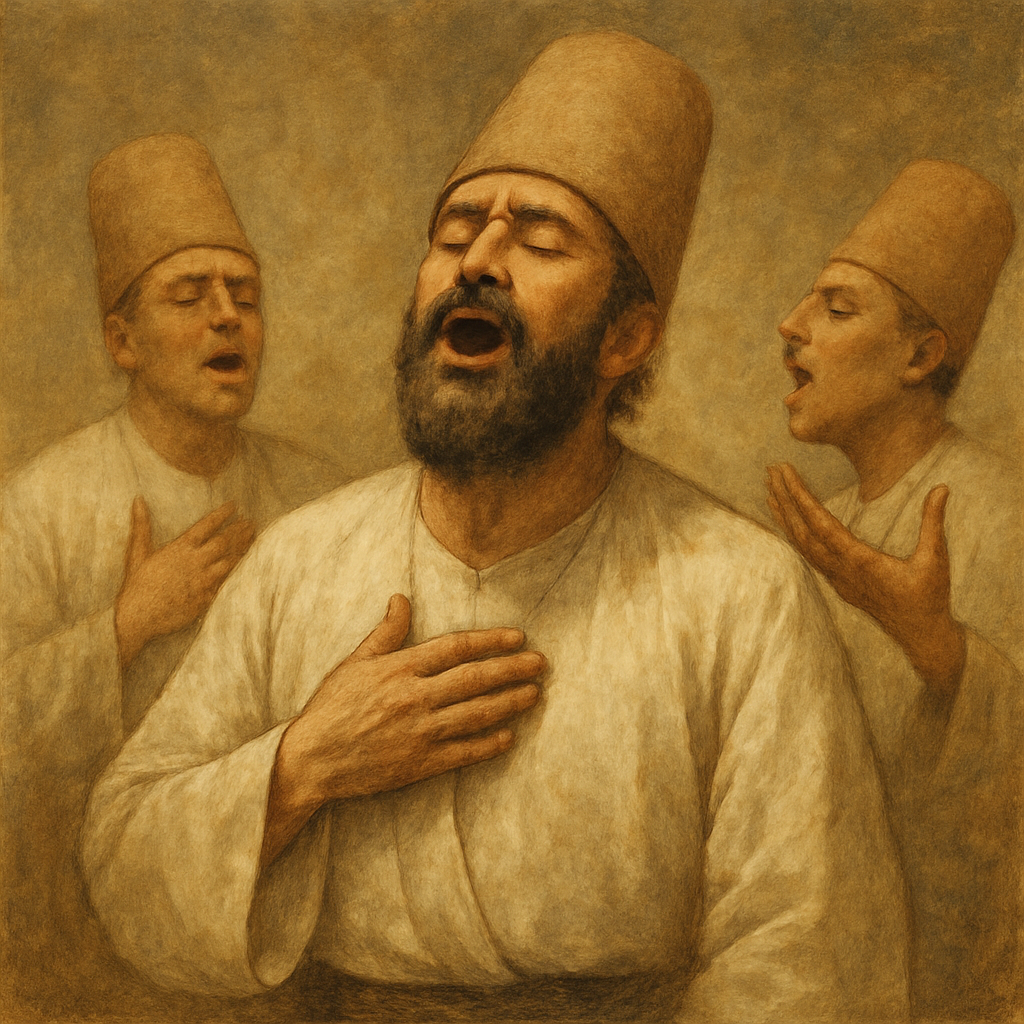
The Essence of Meditative Dhikr
The essence of meditative Dhikr lies in its ability to align the mind, body, and soul. Unlike typical meditation, which might focus on emptying the mind, Dhikr fills the practitioner’s heart with divine presence through continuous remembrance. The rhythmic chanting creates a serene environment that fosters deep spiritual connection and insight.
📚 Explore Our Latest Islamic Courses 📚




In meditative Dhikr, the repetition of divine names serves as a bridge between the physical and spiritual realms. The practitioner becomes immersed in a sacred soundscape, each word reverberating through their being, dissolving the barriers between the self and the Divine. This fusion of sound and spirit opens doors to profound inner revelations.
Moreover, the practice transcends the individual, reaching into the collective consciousness. In a meditative state, practitioners often report a feeling of unity with the universe, a sense of oneness that underscores the interconnectedness of all life. This aspect of Dhikr nurtures not only personal enlightenment but also a universal compassion.
The Role of Dhikr in Sufi Rituals
In Sufi rituals, Dhikr is considered a transformative practice. It is often performed in groups, creating a collective energy that enhances the spiritual experience. The communal aspect of Sufi chanting during Dhikr sessions amplifies the sense of unity among participants, forging a shared journey towards divine consciousness.
📚 Explore Our Latest Islamic Courses 📚
The participatory nature of Dhikr sessions fosters a unique bond among practitioners. As voices merge in harmonious rhythm, a shared energy field is created, enhancing the overall spiritual ambiance. This collective vibration acts as a catalyst, propelling individuals into deeper states of awareness and spiritual ecstasy.
Within these gatherings, the role of the Sheikh or spiritual guide is pivotal. They lead the congregation, ensuring that the energy remains focused and potent. Their guidance helps to channel the collective intention, facilitating a profound spiritual journey that each participant can experience on a personal level.
Moreover, these communal Dhikr sessions serve as a sanctuary for spiritual seekers. They offer a space where individuals can temporarily set aside worldly concerns, immersing themselves in a collective pursuit of divine truth. This shared experience not only strengthens individual faith but also fortifies the communal bonds of the Sufi community.
📚 Explore Our Latest Islamic Courses 📚
Historical Context of Dhikr
The practice of Dhikr has deep historical roots, tracing back to the early days of Islam. It was initially practiced by the Prophet Muhammad and his companions, serving as a foundational element of Islamic spirituality. Over centuries, Dhikr evolved, taking on various forms within different Sufi orders.
Historically, Dhikr has been a means of preserving spiritual teachings across generations. Sufi masters have passed down these practices through oral traditions, ensuring that each generation receives the wisdom of their predecessors. This continuity has allowed Dhikr to remain a vibrant and dynamic practice, adaptable to the needs of contemporary seekers.
The historical evolution of Dhikr also reflects the diverse cultural landscapes of the Islamic world. Each region has contributed unique elements to the practice, enriching it with varied musical styles, languages, and philosophical interpretations. This diversity underscores the universal appeal of Dhikr, transcending cultural and linguistic boundaries.
📚 Explore Our Latest Islamic Courses 📚
The Importance of Dhikr in Sufism
Sufism places great importance on the practice of Dhikr, viewing it as a pathway to enlightenment and self-discovery. The significance of Dhikr in Sufi teachings cannot be overstated, as it embodies the core spiritual practices of remembrance and reflection. Through Dhikr, Sufis believe they can transcend the material world and attain a higher state of spiritual awareness.
Dhikr as a Tool for Spiritual Remembrance
Dhikr serves as a powerful tool for spiritual remembrance. It encourages practitioners to focus their thoughts on the Divine, fostering a continuous awareness of God’s presence in their lives. This spiritual focus helps to cultivate a sense of peace and fulfillment, aligning the practitioner’s life with divine will.
The act of remembrance in Dhikr is more than a mental exercise; it is a heartfelt invocation of divine presence. Each repetition is a step towards internalizing divine attributes, transforming the practitioner’s inner landscape. This continuous process of remembrance acts as a spiritual anchor, grounding individuals amidst life’s challenges.
📚 Explore Our Latest Islamic Courses 📚
Moreover, Dhikr instills a sense of divine companionship. Practitioners often describe a feeling of being enveloped by divine love, a comforting presence that permeates their daily lives. This sense of divine nearness nurtures resilience, enabling individuals to navigate the complexities of existence with grace and humility.
Furthermore, Dhikr serves as a reminder of the transient nature of the material world. By focusing on the eternal presence of the Divine, practitioners develop a detachment from worldly attachments, fostering a deeper appreciation for the spiritual dimensions of life. This shift in perspective is central to Sufi teachings, guiding individuals towards a more meaningful and purposeful existence.
Sufi Teachings on the Practice of Dhikr
Sufi teachings emphasize the transformative power of Dhikr. By engaging in regular practice, individuals can purify their hearts and minds, leading to a deeper understanding of themselves and their relationship with the Divine. This purification process is central to Sufi spirituality and is believed to bring practitioners closer to achieving spiritual enlightenment.
📚 Explore Our Latest Islamic Courses 📚
The process of purification through Dhikr is akin to cleansing the soul of impurities. Sufi teachings liken it to polishing a mirror, removing the dust that obscures the reflection of the Divine. Through consistent practice, the heart becomes a clear vessel, capable of receiving divine insights and wisdom.
Additionally, Sufi masters often highlight the importance of sincerity in Dhikr. It is not merely the mechanical repetition of words, but a heartfelt communication with the Divine. This sincerity is what transforms the practice from a ritual into a profound spiritual journey, opening pathways to divine mysteries.
Furthermore, Sufi teachings stress the holistic impact of Dhikr on the practitioner’s life. It is not confined to the moments of chanting but extends into everyday interactions and experiences. By cultivating a continuous state of remembrance, individuals embody the virtues of compassion, humility, and love, reflecting the essence of Sufi spirituality in their daily lives.
📚 Explore Our Latest Islamic Courses 📚
The Psychological Benefits of Dhikr
In addition to its spiritual significance, Dhikr offers numerous psychological benefits. The repetitive nature of the practice promotes relaxation, reducing stress and anxiety. This calming effect is a result of the rhythmic chanting, which induces a meditative state conducive to mental clarity and emotional well-being.
Psychologically, Dhikr acts as a form of cognitive training, enhancing focus and concentration. By directing attention towards divine names, practitioners develop greater mental discipline, improving their ability to manage distractions and maintain clarity of thought. This mental acuity extends beyond the practice, benefiting various aspects of daily life.
Moreover, Dhikr fosters emotional resilience. The practice encourages introspection, allowing individuals to process emotions and experiences in a safe and supportive environment. This emotional processing leads to greater self-awareness, enabling practitioners to navigate their inner landscape with compassion and understanding.
📚 Explore Our Latest Islamic Courses 📚
Furthermore, the communal aspect of Dhikr provides social support, alleviating feelings of isolation and loneliness. The sense of belonging within a spiritual community enhances emotional well-being, promoting a sense of connection and shared purpose. This supportive network is invaluable, offering guidance and encouragement on the spiritual journey.
The Practice of Dhikr: A Step-by-Step Guide

For those new to the practice of Dhikr, it can seem daunting. However, with guidance, anyone can begin to explore this profound spiritual practice.
📚 Explore Our Latest Islamic Courses 📚
Preparing for Dhikr
- Find a Quiet Space: Choose a quiet, comfortable location where you can focus without interruptions. The environment should be conducive to relaxation, allowing you to immerse yourself fully in the practice.
- Set an Intention: Begin by setting a clear intention for your practice. This could be to seek spiritual insight, find peace, or simply connect with the Divine. A clear intention acts as a guiding light, focusing your energy and attention during the session.
- Relax and Breathe: Take a few moments to relax your body and mind. Focus on your breathing, allowing it to become steady and calm. This preparatory step is crucial, creating a receptive state of mind that enhances the effectiveness of the practice.
- Visualize a Sacred Space: Envision a sacred space within your mind, a place where divine presence is palpable. This visualization can help to deepen your concentration and create a mental sanctuary for your practice.
- Invoke a Blessing: Before beginning, you might choose to invoke a blessing or recite a prayer. This invocation sets a spiritual tone, inviting divine presence into your practice and aligning your intentions with higher purpose.
Engaging in Dhikr
- Select a Phrase or Name: Choose a divine name or phrase that resonates with you. Common phrases include “Allah” or “La ilaha illallah” (There is no god but God). The chosen words should evoke a sense of reverence and connection, serving as a focal point for your meditation.
- Chant with Focus: Begin chanting your chosen phrase. Focus on the sound and vibration of the words, allowing them to permeate your being. The repetition acts as a mantra, guiding your thoughts towards a singular focus and deepening your meditative state.
- Maintain Rhythm: Keep a steady rhythm as you chant, which can aid in deepening your meditative state. The rhythmic cadence of the chant creates a calming effect, synchronizing with your breath and heart rate to induce relaxation.
- Stay Present: As you chant, remain present and aware. If your mind begins to wander, gently bring your focus back to the chant. This practice of mindfulness enhances your ability to remain centered, cultivating a deeper connection with the divine presence.
- Embrace the Silence: In between chants, embrace the silence. These moments of quiet reflection allow the insights from your practice to surface, offering clarity and understanding.
- Visualize Divine Light: As you chant, visualize a divine light enveloping you, radiating love and peace. This visualization enhances the meditative experience, fostering a sense of divine presence and protection.
Concluding the Practice
- Gradually Slow Down: As you near the end of your session, gradually slow your chanting, allowing yourself to return to a normal state of awareness. The transition back to regular consciousness should be gentle, preserving the tranquility of the practice.
- Reflect and Give Thanks: Take a moment to reflect on your experience and offer gratitude for the insights and peace you received. This act of gratitude reinforces the positive aspects of your practice, creating a foundation for future sessions.
- Integrate Insights: Consider how the insights gained from your practice can be integrated into your daily life. Reflect on how these revelations can guide your actions and interactions, aligning them with your spiritual aspirations.
- Journal Your Experience: After the session, consider journaling your thoughts and experiences. This reflective practice helps to solidify your insights, providing a record of your spiritual journey and growth.
- Share with Community: If you are part of a spiritual community, consider sharing your experiences. This exchange of insights fosters a deeper understanding of the practice, enriching the collective wisdom of the group.
The Spiritual Benefits of Dhikr
Practicing Dhikr offers numerous spiritual benefits. Regular engagement in this ritual can lead to increased spiritual awareness, a sense of inner peace, and a deeper connection with the Divine. Many practitioners report feeling more grounded and centered, with a greater capacity for compassion and understanding.
Dhikr and Community
Participating in group Dhikr sessions can enhance these benefits. The communal energy and shared intent create a powerful environment for spiritual growth. Sufi communities often hold Dhikr gatherings, providing support and guidance for practitioners at all levels.
The sense of community within Dhikr sessions fosters a supportive environment for spiritual exploration. Participants often report feeling a profound sense of belonging, a connection that transcends individual differences and unites them in a common spiritual purpose.
📚 Explore Our Latest Islamic Courses 📚
Moreover, the collective energy generated in group sessions amplifies the spiritual experience. The synergy of voices and intentions creates a powerful vortex of divine presence, enhancing the individual and collective journey towards spiritual enlightenment.
Additionally, the communal aspect of Dhikr provides an opportunity for learning and mentorship. Experienced practitioners offer guidance and support, helping newcomers navigate the nuances of the practice. This mentorship enriches the spiritual journey, offering insights and wisdom gained from years of practice.
Personal Transformation Through Dhikr
Over time, the practice of Dhikr can lead to profound personal transformation. By fostering a continuous state of divine remembrance, individuals may experience a shift in perspective, leading to a more compassionate and harmonious way of living.
📚 Explore Our Latest Islamic Courses 📚
The transformative power of Dhikr lies in its ability to reshape the practitioner’s inner world. Regular practice cultivates a mindset centered on divine attributes such as love, compassion, and humility. These qualities become ingrained in the practitioner’s character, influencing their thoughts, actions, and interactions.
Furthermore, Dhikr encourages a reevaluation of priorities and values. As practitioners deepen their connection with the Divine, they often find themselves drawn towards a life of simplicity and service. This shift in focus aligns their lives with their spiritual aspirations, fostering a sense of purpose and fulfillment.
The personal transformation experienced through Dhikr extends beyond the individual, impacting their relationships and communities. Practitioners often report improved interpersonal dynamics, characterized by greater empathy and understanding. This positive ripple effect contributes to the creation of harmonious and compassionate communities.
📚 Explore Our Latest Islamic Courses 📚
The Healing Power of Dhikr
Dhikr is also recognized for its healing properties. The practice has been shown to reduce stress and anxiety, promoting emotional and psychological well-being. This healing aspect of Dhikr is attributed to its ability to induce a state of relaxation and inner peace.
The repetitive chanting in Dhikr acts as a form of sound therapy, soothing the nervous system and promoting relaxation. This calming effect is beneficial for individuals dealing with stress-related conditions, offering a natural and holistic approach to healing.
Moreover, the spiritual focus of Dhikr fosters a sense of hope and resilience. Practitioners often report a renewed sense of optimism and strength, empowering them to face life’s challenges with courage and grace. This inner fortitude is a testament to the healing potential of the practice.
📚 Explore Our Latest Islamic Courses 📚
Additionally, Dhikr provides a safe space for emotional processing and release. The practice allows individuals to explore their emotions in a supportive environment, facilitating healing and growth. This emotional healing is integral to the overall well-being of practitioners, promoting a balanced and harmonious life.
Conclusion: Embracing the Depth of Dhikr
The spiritual depth of Sufi Dhikr is vast, offering a path to divine connection and inner transformation. Whether practiced alone or in a community, Dhikr serves as a powerful tool for spiritual growth and enlightenment. By embracing this ancient practice, individuals can unlock the profound mysteries of the Divine, leading to a life of peace, purpose, and spiritual fulfillment.
The journey of Dhikr is one of continuous discovery and growth. Each session offers new insights and revelations, guiding practitioners towards a deeper understanding of themselves and the Divine. This ongoing exploration is what makes Dhikr a timeless and enduring spiritual practice.
Embracing Dhikr is an invitation to embark on a transformative spiritual journey. It is an opportunity to cultivate a life of mindfulness, compassion, and divine connection. By integrating this practice into daily life, individuals can experience the profound spiritual and personal benefits that Dhikr has to offer.
Ultimately, the practice of Dhikr is a testament to the enduring power of remembrance. It is a reminder of the divine presence that permeates all aspects of existence, guiding individuals towards a life of spiritual fulfillment and enlightenment. Through Dhikr, practitioners can experience the peace and clarity that comes from living in harmony with the Divine.