
Significance of Dua After Maghrib Prayer
In the serene moments following the Maghrib prayer, Muslims around the world turn to supplication, or Dua, to seek peace, guidance, and blessings. This act of devotion holds immense significance in the Islamic faith, offering both spiritual and psychological benefits. In this article, we delve into the importance of reciting Dua after the Maghrib prayer and how it can enrich one’s spiritual journey.
Dua, an Arabic term for supplication, is a profound act of worship in Islam. It is a means of communicating with Allah, expressing gratitude, and seeking assistance in various aspects of life. Performing Dua after Maghrib, as well as after other prayers like Fajr, Asr, and Isha, is a highly encouraged practice. This ritual helps Muslims fortify their faith and maintain a continuous connection with the Divine throughout the day.

📚 Explore Our Latest Islamic Courses 📚






Dua After Maghrib Prayer
The period after the Maghrib prayer is particularly significant for offering Dua. This time is often associated with reflection and gratitude as it marks the transition from day to night. Engaging in Dua during these moments allows individuals to unwind and spiritually recharge after the day’s activities. It is a time to seek forgiveness, express appreciation for blessings, and ask for peace and protection.
Benefits of Reciting Dua
Spiritual Benefits
The act of Dua is not just a request for assistance; it is a means of drawing closer to Allah. Regular supplication after Maghrib helps foster a deeper sense of spirituality and devotion. It reminds practitioners of their reliance on the Divine and encourages them to maintain humility and gratitude in their daily lives.
Psychological Benefits
From a psychological perspective, Dua acts as a form of meditation. Reciting supplications after Maghrib can help reduce stress and anxiety, promoting a sense of calm and contentment. The routine of engaging in evening supplications can provide structure to one’s day, offering moments of peace and reflection.
📚 Explore Our Latest Islamic Courses 📚
Recommended Supplications
While there are numerous supplications that can be recited after Maghrib, many Muslims choose to focus on those that emphasize gratitude, guidance, and protection. Some may also recite specific Duas seven times, as this repetition is believed to amplify the supplication’s impact. It’s important to remember that the sincerity and intention behind the Dua are what truly matter, rather than the specific words or number of repetitions.
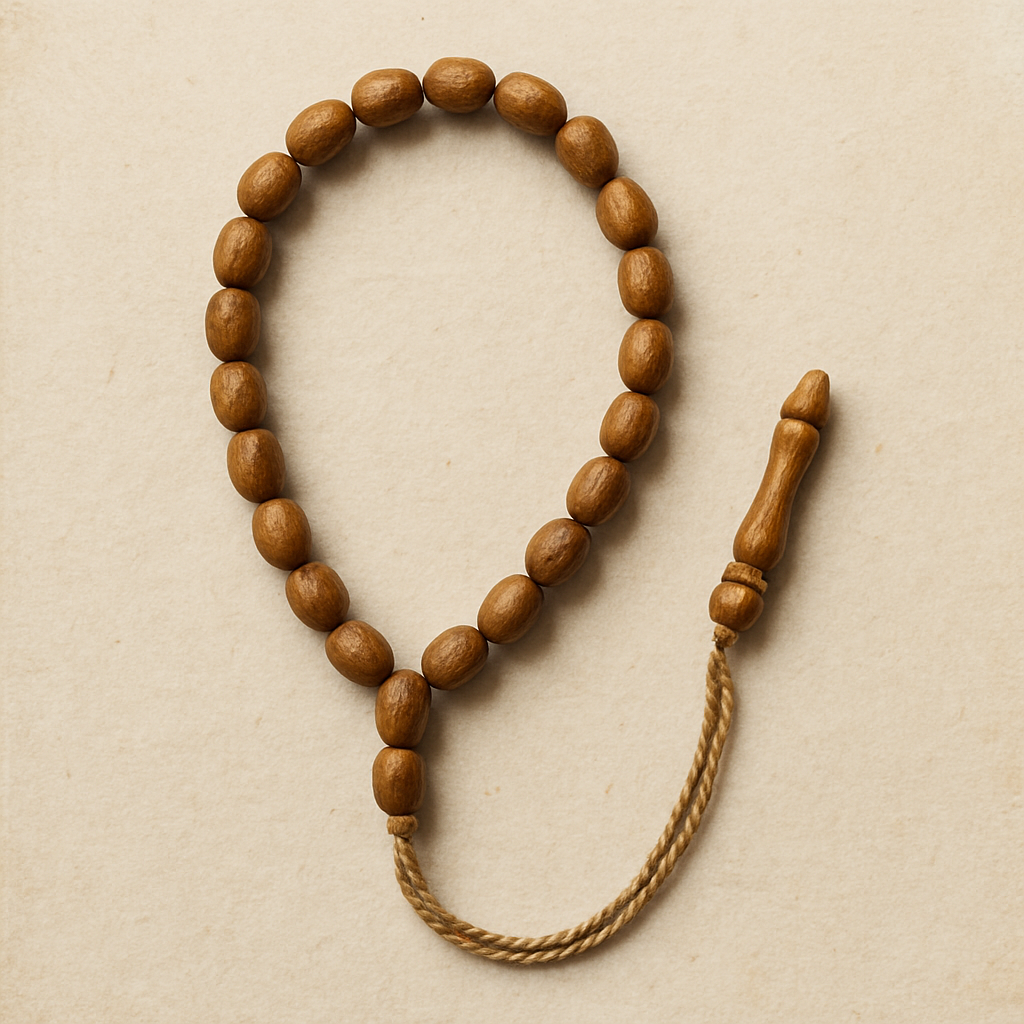
In conclusion, the practice of reciting Dua after Maghrib prayer is a cornerstone of Islamic spirituality. It provides a unique opportunity for Muslims to connect with Allah, seek peace, and find solace at the end of the day. By incorporating these supplications into their daily routine, believers can enrich their spiritual journey and cultivate a deeper sense of tranquility and gratitude.