
Significance of dua after tashahhud
The act of performing Salah, or Islamic prayer, is a profound and essential practice for Muslims worldwide. It is a structured form of worship that nurtures the soul and strengthens one’s relationship with Allah. Within the framework of Salah, there are several key components, each carrying significant spiritual and ritualistic weight. One such component is the Tashahhud, which is followed by the recitation of Durood and then a heartfelt dua or supplication. Understanding the significance of the dua after Tashahhud and Durood is vital for enriching one’s prayer experience and deepening one’s connection to the Divine.
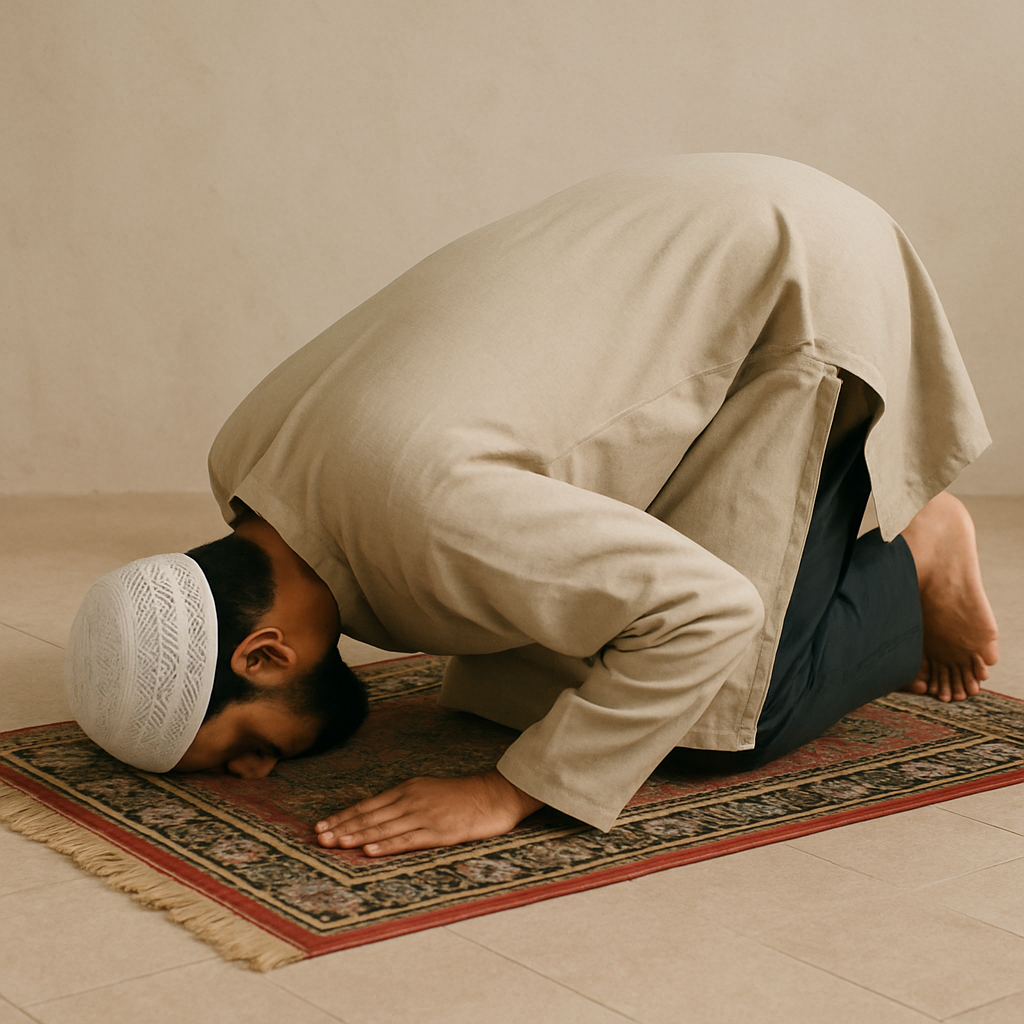
The Tashahhud is a pivotal part of the Salah, typically recited in the sitting position. It is a declaration of faith and recognition of Allah’s oneness. The text of the Tashahhud can be translated into English as:
“All greetings, blessings, and good acts are for Allah. Peace be upon you, O Prophet, and the mercy of Allah and His blessings. Peace be upon us and upon the righteous servants of Allah. I bear witness that none has the right to be worshiped except Allah, and I bear witness that Muhammad is His servant and Messenger.”
📚 Explore Our Latest Islamic Courses 📚





The Spiritual Significance of Tashahhud
The Tashahhud is more than just words; it is a profound expression of faith and humility before Allah. When reciting the Tashahhud, Muslims are reminded of the core tenets of Islam and the importance of submission to the will of Allah. This moment serves as a spiritual checkpoint within the prayer, allowing believers to pause and reflect on their relationship with the Creator.
Historical Context and Evolution
The Tashahhud has a rich historical background that traces back to the time of the Prophet Muhammad (PBUH). It was prescribed as part of the prayer ritual to encapsulate the essence of Islamic monotheism. Over the centuries, this component of Salah has remained unchanged, signifying its enduring importance in Islamic practice.
Reflection and Personal Application
As believers recite the Tashahhud, it is an opportunity for personal reflection and introspection. It encourages Muslims to contemplate their actions and intentions, aligning them with the principles of faith. This moment of reflection fosters a deeper connection to the prayer, transforming it from a ritualistic act into a meaningful spiritual experience.
📚 Explore Our Latest Islamic Courses 📚
The Role of Durood in Salah
Following the Tashahhud, Muslims recite the Durood Sharif, a prayer of blessing upon the Prophet Muhammad (PBUH). The act of sending blessings, or Salawat, on the Prophet is a means of seeking Allah’s blessings and mercy. The Durood is not just a ritualistic practice but a way to express love and reverence for the Prophet. It can be seen as a direct link between the worshipper and the esteemed figure of Islam, fostering a sense of closeness and respect.
Spiritual Elevation Through Durood
Reciting Durood is believed to elevate one’s spiritual status. It is an act of devotion that connects the believer with the Prophet (PBUH), whose life serves as a model of righteousness. This connection elevates the spiritual awareness of the worshipper, reminding them of the virtues they strive to embody.
Invoking Blessings and Mercy
The Durood serves as a conduit for Allah’s mercy and blessings. By invoking blessings upon the Prophet (PBUH), Muslims open themselves to receive divine favor and protection. This practice is a reminder of the interconnectedness of the Muslim community, united in their love and respect for the Prophet.
📚 Explore Our Latest Islamic Courses 📚
Seeking Intercession and Divine Favor
The Prophet’s intercession is sought on the Day of Judgment through Durood. Muslims believe that by consistently sending blessings upon the Prophet (PBUH), they secure his intercession in the hereafter. This belief underscores the importance of Durood in Salah, as it serves as a means of seeking divine favor and salvation.
The Importance of Dua After Tashahhud and Durood
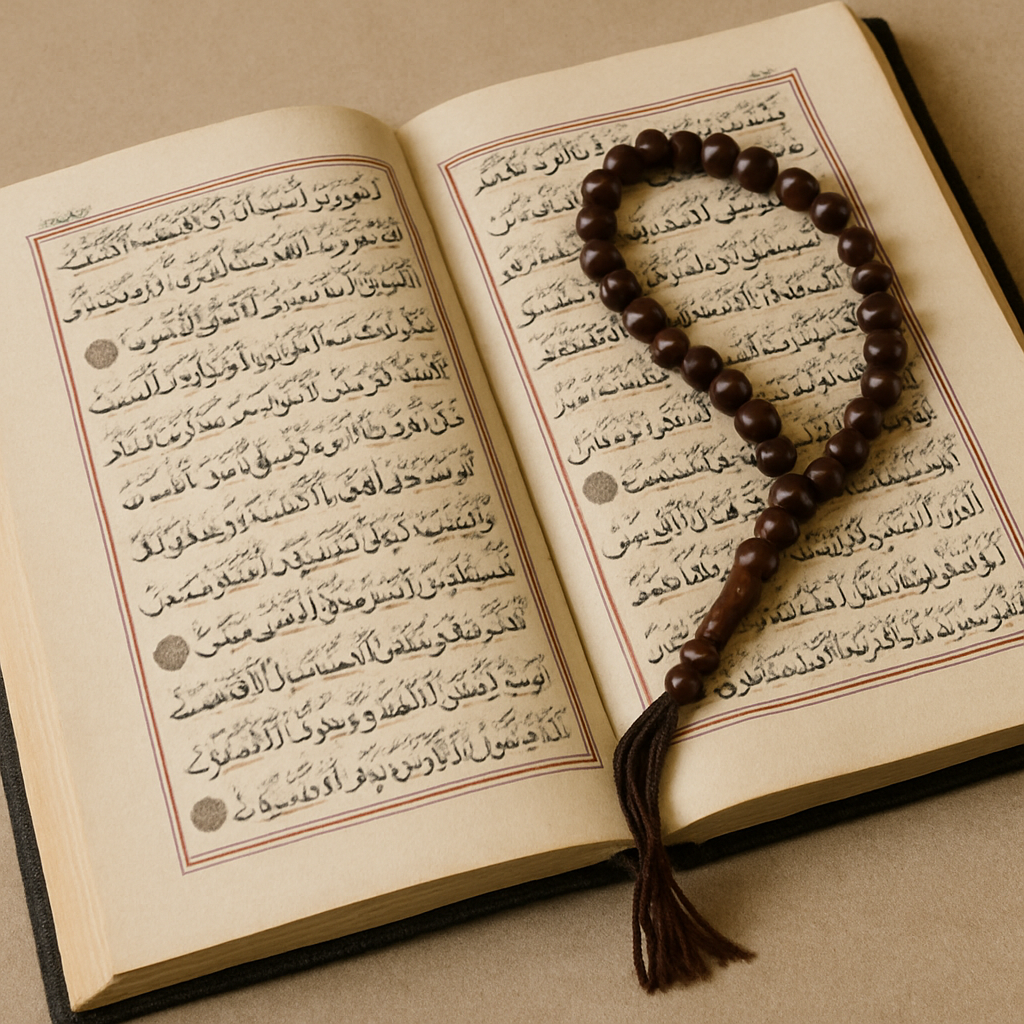
The dua or supplication that follows Tashahhud and Durood is a personal conversation between the worshipper and Allah. This is the moment when one can ask for personal needs, forgiveness, and guidance. The Prophet Muhammad (PBUH) encouraged believers to make dua at this point, as it is one of the times when supplications are most likely to be accepted.
The Power of Personal Supplication
Dua is a powerful tool for personal transformation and spiritual growth. It allows believers to articulate their deepest desires and concerns, seeking Allah’s guidance and assistance. The act of making dua is a demonstration of faith, acknowledging that all power and help come from the Divine.
📚 Explore Our Latest Islamic Courses 📚
Common Supplications to Recite
While any personal prayer can be made, some common supplications include:
- Seeking Forgiveness: “O Allah, forgive me for what I have done in the past and what I will do in the future, what I have done in secret and what I have done openly, and what You are more knowledgeable of than I. You are the One who brings forward and You are the One who delays, there is no deity but You.”
- Asking for Guidance: “O Allah, guide me among those whom You have guided.”
- Requesting Protection: “O Allah, protect me from the evil of what I have done.”
Why This Dua is Significant
The supplication after Tashahhud and Durood is a moment of direct communication with Allah. It is a time to express gratitude, seek assistance, and convey one’s innermost thoughts and desires. This practice not only fortifies one’s faith but also instills a sense of peace and reliance on the Divine. Engaging in this heartfelt dialogue enhances the overall experience of Salah, making it a comprehensive journey of the soul.
How to Incorporate this Practice in Your Salah

by Mosquegrapher (https://unsplash.com/@mosquegrapher)
📚 Explore Our Latest Islamic Courses 📚
Incorporating dua after Tashahhud and Durood requires mindfulness and intent. Here are steps to enrich this practice:
Mindful Recitation and Understanding
Approach the Tashahhud and Durood with mindfulness, understanding their meanings. This awareness transforms the recitation from a mechanical process to a meaningful act of worship. By internalizing the words, Muslims can deepen their connection to the prayer, enhancing its spiritual impact.
Creating a Personal Connection
Use the subsequent dua to speak from the heart, asking for what you truly need. This is an opportunity to be honest and vulnerable before Allah, sharing your hopes, fears, and aspirations. Cultivating this personal connection transforms the prayer into an intimate dialogue with the Divine.
Consistency and Spiritual Development
Make this a consistent practice, allowing it to become a natural part of your Salah. By integrating dua into every prayer, Muslims can experience ongoing spiritual growth and development. This consistency reinforces the importance of dua as an essential component of Islamic worship.
Conclusion
The significance of dua after Tashahhud in Salah is profound. It serves as a bridge between the worshipper and Allah, offering a moment for personal supplication and spiritual reflection. By understanding and embracing this practice, one can deepen their prayer experience, foster a stronger connection with the Divine, and invite numerous blessings into their life. As Muslims strive to perfect their Salah, the role of dua after Tashahhud cannot be underestimated, for it is a powerful means of spiritual fulfillment and divine communication. Embracing this practice is a step towards achieving a more meaningful and enriched spiritual journey.
📚 Explore Our Latest Islamic Courses 📚