
The Importance of Dua After Prayer
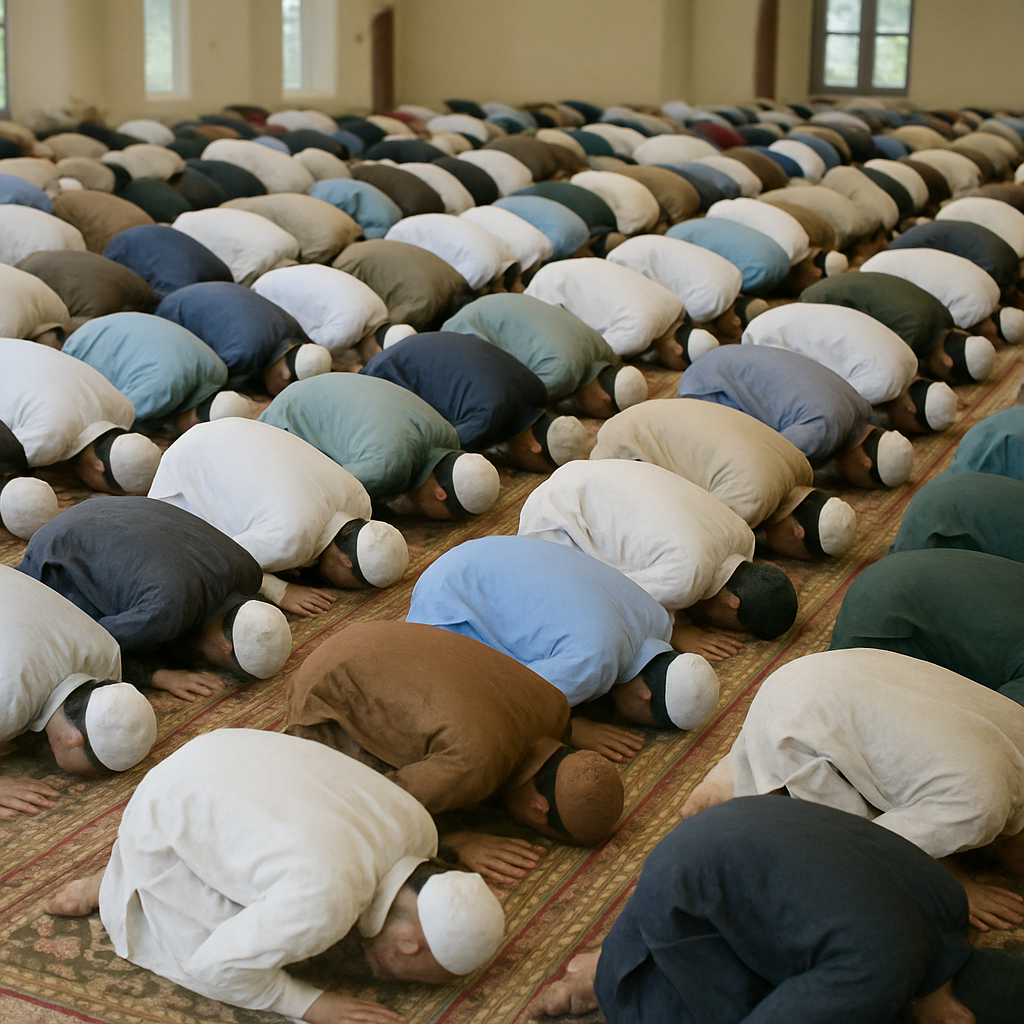
Prayer, or Salah, is a fundamental pillar of Islam, guiding Muslims in their daily lives and providing a direct link to Allah. It is an act that not only fulfills a religious obligation but also nourishes the soul, providing clarity and peace. However, the journey of spiritual connection doesn’t end with the concluding “Assalamu Alaikum Wa Rahmatullah.” In fact, what follows immediately after the prayer, the act of making Dua, holds profound significance. It is a moment to pause and reflect, to pour one’s heart out to the Creator, and to seek His guidance and mercy in a world that often feels overwhelming.
What is Dua?
Dua, often referred to as supplication, is a form of worship and a means of communicating directly with Allah. It transcends the ritualistic elements of prayer and becomes a personal dialogue, a heartfelt conversation with the Divine. Through Dua, Muslims can express their gratitude, seek forgiveness, ask for guidance, and request blessings. It is not bound by time or place, making it a versatile and accessible form of worship.
📚 Explore Our Latest Islamic Courses 📚





The Essence of Dua
At its core, Dua is an acknowledgment of one’s reliance on Allah. It is an admission that, despite our efforts, we are in need of His divine intervention and support. This act of supplication is a testament to a Muslim’s faith and trust in Allah’s omnipotence and benevolence.
Historical Context of Dua
Dua has been practiced by Muslims since the advent of Islam, and its importance is highlighted in numerous Hadiths. The Prophet Muhammad (peace be upon him) often emphasized the power of Dua, encouraging believers to turn to Allah in times of need and gratitude alike. This historical tradition underscores the timeless relevance of Dua in a Muslim’s spiritual journey.
Psychological Benefits of Dua
Engaging in Dua can have profound psychological benefits. It provides a sense of relief and comfort, knowing that one’s worries and desires have been entrusted to the Most Merciful. This act of surrender can alleviate anxiety and stress, fostering a sense of peace and contentment.
📚 Explore Our Latest Islamic Courses 📚
Why is Dua After Salah Important?
The act of making Dua after Salah is an integral part of a Muslim’s worship. It is a time when the believer’s heart is most open and sincere, a moment when the connection with Allah is strongest. This sacred time is ideal for making personal requests, seeking forgiveness, and asking for help and guidance in various aspects of life. The transition from structured prayer to personal supplication allows for a deeper, more introspective experience.
The Spiritual State Post-Salah
After Salah, a Muslim is in a heightened state of spiritual awareness. The mind is clear, and the heart is receptive, making it an opportune moment to engage in sincere supplication. This spiritual state amplifies the impact of Dua, as the believer is more attuned to the divine presence.
Enhancing the Prayer Experience
Incorporating Dua after Salah elevates the overall prayer experience. It transforms the act of worship from a mere routine into a comprehensive spiritual practice. By making Dua, Muslims extend their prayer beyond the physical act, enriching their connection with Allah.
📚 Explore Our Latest Islamic Courses 📚
A Moment of Reflection
Dua after Salah is also a moment of reflection. It allows believers to ponder over their actions, seek forgiveness for their shortcomings, and express gratitude for their blessings. This introspection is crucial for personal growth and spiritual development.
The Benefits of Making Dua
Making Dua is not merely a ritualistic practice; it offers numerous benefits that enrich a Muslim’s life. These benefits extend beyond the spiritual realm, impacting various aspects of one’s well-being.
Strengthening Spiritual Connection
Engaging in Dua strengthens the spiritual bond between the worshipper and Allah. It is a moment of reflection and humility, acknowledging the greatness of the Creator and the dependence of the creation. This connection is a source of spiritual nourishment, providing clarity and purpose in one’s life.
📚 Explore Our Latest Islamic Courses 📚
Fulfillment of Needs
Muslims believe that Allah listens to their prayers and supplications. Making Dua is a way to present one’s needs and desires before Allah, trusting in His wisdom to provide what is best. This trust fosters a sense of hope and optimism, knowing that Allah’s plan is always in the believer’s favor.
Attaining Peace and Contentment
There is a deep sense of peace and contentment that comes from pouring one’s heart out to Allah, knowing that He is the Most Merciful and Compassionate. This tranquility extends beyond the moment of supplication, influencing the believer’s outlook on life and interactions with others.
Attracting Protection and Blessings
Regularly making Dua is believed to attract blessings and protection from harm. It is a source of comfort and reassurance in times of difficulty. Believers find solace in knowing that their supplications can invoke Allah’s mercy and safeguard them from life’s adversities.
📚 Explore Our Latest Islamic Courses 📚

Common Duas to Say After Salah
After completing Salah, Muslims often engage in specific supplications that enhance the prayer experience and draw them closer to Allah. These Duas are a blend of traditional invocations and personal requests, creating a comprehensive post-prayer routine.
Enhancing the Prayer Routine
Incorporating specific Duas into the post-prayer routine enhances the spiritual experience. These supplications serve as a bridge between the structured ritual of Salah and the personal dialogue of Dua, creating a seamless transition that enriches the worshipper’s connection with Allah.
📚 Explore Our Latest Islamic Courses 📚
Dua After Fard Prayer
After completing the Fard (obligatory) prayers, there are specific supplications that many Muslims include in their routine. These Duas are recommended to enhance the prayer experience and seek Allah’s mercy and blessings.
- Astaghfirullah (I seek forgiveness from Allah): Repeated three times, this Dua is a humble acknowledgment of human imperfection and a request for Allah’s forgiveness. It serves as a reminder of the importance of seeking pardon for one’s shortcomings.
- Ayat-ul-Kursi: Reciting the “Verse of the Throne” from Surah Al-Baqarah is believed to offer protection and blessings. This powerful verse is a testament to Allah’s sovereignty and a source of spiritual strength.
- Subhanallah, Alhamdulillah, Allahu Akbar: Reciting these phrases 33 times each helps to glorify Allah, express gratitude, and recognize His greatness. This practice fosters a sense of humility and appreciation for Allah’s countless blessings.
- La ilaha illallah, Wahdahu la sharika lahu, Lahul-mulku wa lahul-hamdu, Wa Huwa ‘ala kulli shai-in Qadeer: This affirmation of faith is often recited to conclude the post-prayer supplications. It is a powerful declaration of monotheism and a reminder of Allah’s unmatched power.
Dua for Forgiveness
Seeking forgiveness is a crucial aspect of Islamic worship. Muslims often make specific Duas to seek Allah’s pardon and mercy.
- Rabbighfir li warhamni: “My Lord, forgive me and have mercy upon me.” This simple yet profound supplication reflects the believer’s humility and need for divine mercy.
- Allahumma inni zalamtu nafsi: “O Allah, I have wronged myself.” This confession acknowledges human fallibility and seeks Allah’s forgiveness for personal transgressions.
Dua for Guidance and Blessings
Asking for guidance and blessings is another important element of post-prayer supplications.
📚 Explore Our Latest Islamic Courses 📚
- Rabbana atina fid-dunya hasanatan wa fil-akhirati hasanatan wa qina adhaban-nar: “Our Lord, give us in this world that which is good and in the Hereafter that which is good, and save us from the punishment of the Fire.” This comprehensive Dua encompasses both worldly and spiritual aspirations, seeking Allah’s favor in all aspects of life.
- Allahumma ihdini fiman hadait: “O Allah, guide me among those whom You have guided.” This supplication reflects the believer’s desire for divine guidance and wisdom in navigating life’s challenges.
Daily Duas for Protection
Incorporating daily Duas into the routine after Salah helps to ensure spiritual and worldly protection.
- Bismillah, tawakkaltu ‘alallah: “In the name of Allah, I place my trust in Allah.” This invocation is a declaration of reliance on Allah’s protection and guidance, fostering a sense of security and peace.
- Hasbi Allahu la ilaha illa Huwa: “Allah is sufficient for me; there is no deity except Him.” This powerful Dua serves as a reminder of Allah’s sufficiency and the believer’s trust in His divine plan.

by AmirHadi Manavi (https://unsplash.com/@manavimoghadam)
📚 Explore Our Latest Islamic Courses 📚
How to Make Dua After Prayer
Making Dua after prayer can be a deeply personal and fulfilling practice. Here are some tips to help you make the most of your supplications, ensuring that your connection with Allah is sincere and meaningful.
Cultivating Sincerity
Be sincere: Approach Dua with sincerity and humility. Your heart should be present and engaged in the conversation with Allah. This genuine approach fosters a deeper connection and enhances the spiritual experience.
Starting with Praise
Praise Allah: Begin by praising Allah and sending blessings upon the Prophet Muhammad (peace be upon him). This act of reverence sets the tone for your supplication, acknowledging Allah’s greatness and the blessings of the Prophet’s guidance.
Personalizing Your Supplication
Use Personal Language: While there are many recommended Duas, feel free to use your own language and words to express your thoughts and feelings. This personal touch makes your supplication more meaningful and relatable.
Being Specific in Requests
Be Specific: When asking for something, be specific about your needs and desires. Trust in Allah’s wisdom to respond in the best way. This specificity demonstrates your faith in Allah’s understanding and care for your individual circumstances.
Practicing Persistence
Be Persistent: Regularly make Dua and don’t lose hope if your prayers are not immediately answered. Allah’s timing and wisdom are perfect. This persistence reflects your unwavering faith and trust in Allah’s plan for your life.
Conclusion
Dua after prayer is not just a ritual; it is a profound opportunity to connect with Allah, seek His guidance, and express your deepest desires and concerns. By incorporating these supplications into your daily routine, you can enhance your spiritual experience and draw closer to Allah.
Whether you are seeking forgiveness, guidance, protection, or blessings, remember that Allah is always listening. Make the most of this sacred time, and trust in His mercy and wisdom to guide your path. The act of making Dua is a testament to your faith and devotion, a practice that enriches your life and strengthens your bond with the Divine.
Incorporate these practices into your post-prayer routine and watch how your spiritual connection deepens and enriches your life. By embracing the power of Dua, you open your heart to a world of divine possibilities and blessings.