
The Power of Dua help from allah
In times of need and distress, many of us turn to prayer as a source of comfort and guidance. Dua, the act of supplicating to Allah, is a profound way of seeking divine assistance and support. Whether you’re facing personal struggles, searching for guidance, or simply seeking peace, knowing the right dua can be a powerful tool.

Dua is more than just a request; it is a form of worship. When we make dua, we acknowledge our dependence on Allah and our belief in His omnipotence and mercy. It is an intimate conversation between the believer and their Creator, where one can express their innermost thoughts and desires.
The Spiritual Significance of Dua
The act of making dua is deeply rooted in the Islamic tradition, symbolizing a connection between the finite and the infinite. It’s not merely about asking for things; it’s about cultivating a relationship with Allah. Through dua, a believer can express gratitude, repentance, and hope, fostering a profound spiritual bond.
Dua as an Expression of Humility
Dua is an acknowledgment of human limitations. By turning to Allah in prayer, we admit that we cannot control everything, and we need divine guidance. This act of humility is liberating, as it allows us to release our burdens and trust in a higher power. It shifts our focus from worldly constraints to spiritual freedom.
📚 Explore Our Latest Islamic Courses 📚






The Transformative Power of Consistent Supplication
Engaging in regular dua transforms the heart and mind. It instills patience, resilience, and a positive outlook on life. When practiced consistently, dua becomes a source of inner strength, helping believers navigate life’s challenges with grace and confidence. Over time, it nurtures a sense of contentment and peace.
The Importance of Faith in Prayer
To truly harness the power of dua, one must have unwavering faith in Allah’s ability to provide help and guidance. This faith transforms a simple request into a powerful plea that resonates with divine energy. Believing in the efficacy of your prayers is paramount; it is this belief that fuels the spiritual support you seek.
Building Unshakeable Faith
Faith is the foundation upon which effective dua is built. It requires nurturing through regular spiritual practices and reflection. By studying the stories of the Prophets and righteous individuals, we can draw inspiration from their unwavering trust in Allah, even in the face of adversity. This emulation strengthens our own faith.
The Role of Intention in Faithful Supplication
The intention behind a dua is crucial. It should stem from sincerity and a genuine desire to connect with Allah. When our intentions are pure, our faith is reinforced, and our prayers carry greater weight. Regular introspection can help ensure our intentions align with Islamic values and deepen our faith.
📚 Explore Our Latest Islamic Courses 📚
Overcoming Doubts and Strengthening Belief
Doubts can occasionally cloud our faith, but they are natural and can be overcome with knowledge and reflection. Engaging in study circles, reading Islamic literature, and seeking guidance from learned individuals can help dispel doubts. Strengthened belief in Allah’s wisdom and mercy enhances the power of our supplications.
Best Practices for Making Dua
To ensure your supplications are heartfelt and effective, consider the following practices:
- Purity and Intention: Always begin with a pure heart and sincere intention. Make sure your environment is clean and quiet, allowing you to focus solely on your communication with Allah.
- Invoke Allah’s Names: Use the beautiful names of Allah relevant to your request, such as Al-Rahman (The Merciful) or Al-Hadi (The Guide).
- Express Gratitude: Start by thanking Allah for His countless blessings before making your request. This gratitude sets a humble tone for your dua.
- Be Specific and Persistent: Clearly articulate your needs and continue to make dua persistently. Allah loves those who are steadfast in their prayers.
- Timing Matters: Certain times, like during the last third of the night or after obligatory prayers, are considered more auspicious for making dua.
Purity and Intention: The Foundation of Sincere Dua
Beginning a dua with purity and intention sets the stage for a sincere conversation with Allah. This involves more than physical cleanliness; it requires a heart free from malice and distractions. By consciously setting intentions, you align your desires with spiritual goals, enhancing the sincerity of your dua.
Utilizing the 99 Names of Allah in Supplication
The 99 names of Allah, each reflecting a unique attribute, can be a powerful tool in dua. By invoking the name that aligns with your needs, you personalize your supplication and deepen your connection with Allah. This practice not only enriches your prayer but also expands your understanding of Allah’s attributes.
📚 Explore Our Latest Islamic Courses 📚
Cultivating Gratitude Before Asking
Gratitude is a powerful precursor to supplication. By acknowledging Allah’s past blessings, you set a positive tone and demonstrate humility. This expression of gratitude not only enhances the sincerity of your request but also shifts your perspective, reminding you of the abundance in your life.
The Art of Persistence in Supplication
Persistence in dua demonstrates faith and commitment. Repeatedly turning to Allah, even when answers seem delayed, is a testament to your trust in His wisdom. This persistent effort is rewarded with spiritual growth and a closer connection with Allah. It’s a practice that instills patience and resilience.
Timing: Finding the Most Auspicious Moments
Certain times are considered more auspicious for making dua, such as during the last third of the night or after obligatory prayers. These moments are spiritually charged, offering a unique opportunity for deeper reflection and connection. By strategically timing your supplications, you maximize their impact.
Powerful Duas for Seeking Help
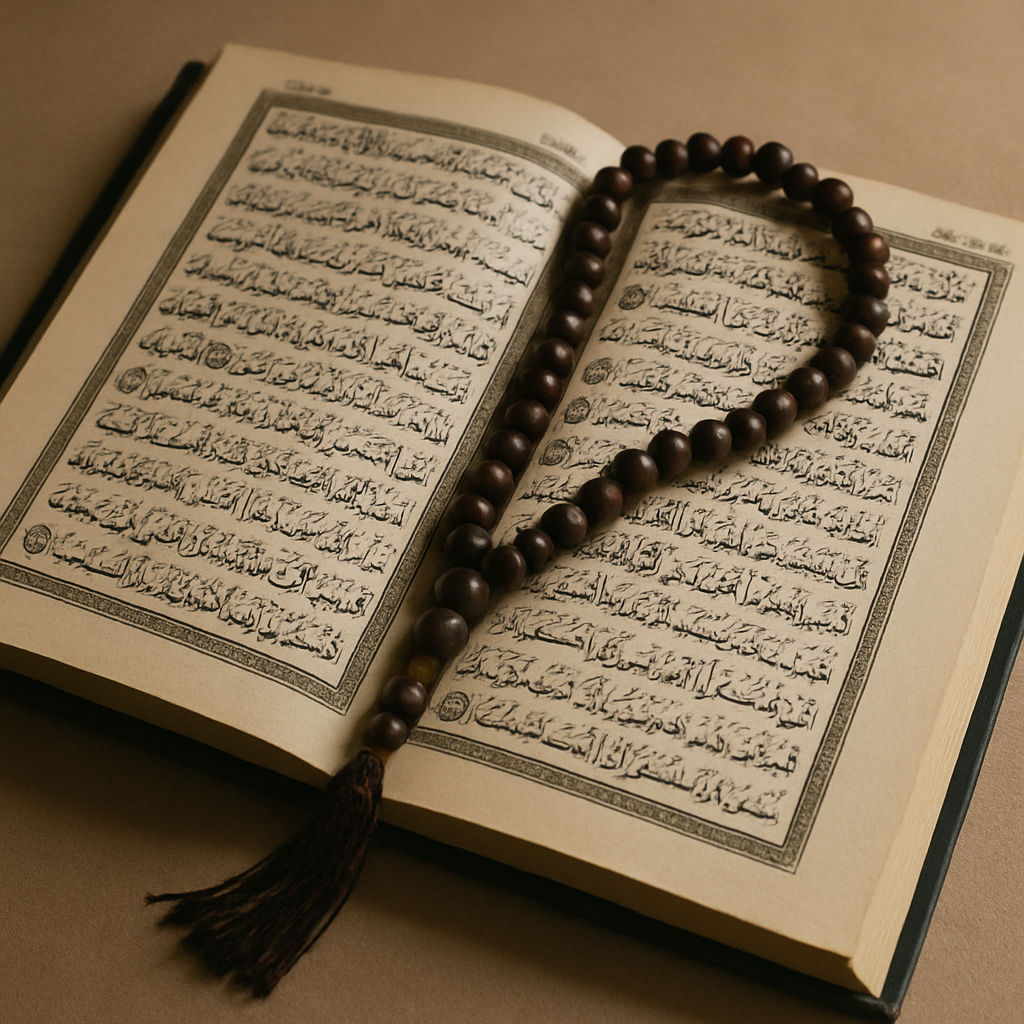
Dua for Strength During Difficult Times
When facing challenges, this dua can help fortify your spirit:
📚 Explore Our Latest Islamic Courses 📚
“Allahumma inni a’udhu bika min al-hammi wal-huzni, wal-‘ajzi wal-kasali, wal-bukhli wal-jubni, wa dal’id-dayni wa ghalabatir-rijal.”
Translation: “O Allah, I seek refuge in You from anxiety and grief, weakness and laziness, miserliness and cowardice, the burden of debts and from being overpowered by men.”
Understanding and Reciting with Intention
Understanding the meanings behind the words of a dua enhances its impact. By internalizing the message, you recite with greater intention and sincerity. This particular dua addresses common human weaknesses, acknowledging them and seeking Allah’s help in overcoming them.
Integrating Dua into Daily Challenges
This dua is especially effective when integrated into daily life. Reciting it during moments of stress or before tackling difficult tasks can provide immediate spiritual reinforcement. It serves as a reminder of Allah’s support, helping you face challenges with renewed strength and confidence.
📚 Explore Our Latest Islamic Courses 📚
Reflecting on Personal Growth
Regularly reciting this dua encourages self-reflection and growth. By consistently seeking refuge from negative traits, you cultivate a more positive character. This practice fosters personal development, helping you evolve into a stronger, more resilient individual.
Dua for Immediate Help
If you find yourself in a situation that requires urgent divine intervention, recite:
“Hasbunallahu wa ni’mal wakeel.”
Translation: “Sufficient for us is Allah, and He is the best Disposer of affairs.”
📚 Explore Our Latest Islamic Courses 📚
The Role of Faith in Urgent Supplication
In times of immediate need, faith plays a crucial role in the effectiveness of your dua. Trusting in Allah’s power and wisdom is vital. This short yet powerful dua encapsulates complete reliance on Allah, reminding you of His sufficiency in every situation.
Reciting with Conviction
The power of this dua lies in the conviction with which it is recited. It’s a declaration of trust in Allah’s ability to manage your affairs. By reciting it with confidence, you reinforce your belief in His supremacy, which can bring comfort and clarity in urgent situations.
Embracing Allah’s Wisdom in Outcomes
After making this dua, it’s important to embrace Allah’s wisdom in whatever outcome follows. Trust that His response, whether immediate or delayed, aligns with your best interests. This acceptance brings peace and allows you to move forward with assurance and hope.
Dua for Guidance and Decision Making
For those moments when you’re uncertain about the path ahead, this dua can provide clarity:
📚 Explore Our Latest Islamic Courses 📚
“Allahumma inni astakhiruka bi’ilmika, wa astaqdiruka biqudratika, wa asaluka min fadhlika al-‘atheem.”
Translation: “O Allah, I seek Your guidance in making a choice by virtue of Your knowledge, and I seek ability by virtue of Your power, and I ask You of Your great bounty.”
Seeking Divine Guidance with Clarity
When facing decisions, seeking divine guidance through this dua can bring clarity. It acknowledges Allah’s infinite knowledge and power, inviting His wisdom into your decision-making process. This reliance on divine insight can illuminate your path, guiding you toward the best choices.
The Process of Istikhara
Istikhara is a specific prayer for guidance, and this dua is an integral part of it. Performing Istikhara involves a focused, prayerful process, creating space for introspection and divine inspiration. By engaging in this practice, you open yourself to Allah’s guidance in a structured and meaningful way.
📚 Explore Our Latest Islamic Courses 📚
Trusting in the Outcome
After making this dua, it’s important to trust in the outcome, regardless of your initial expectations. Allah’s guidance may lead you in unexpected directions, but His wisdom is always superior. Embracing this trust allows you to move forward confidently, knowing you are guided by divine insight.
The Role of Patience and Trust

by Filipe Freitas (https://unsplash.com/@filipephotographs)
While making dua is crucial, it is equally important to exercise patience and trust in Allah’s wisdom. Answers to prayers may not always come in the form we expect or at the time we desire. Allah, in His infinite wisdom, knows what is best for us and when to bestow it.
Understanding Divine Wisdom
Sometimes, the delay in response or the denial of a specific request is a blessing in disguise. Trusting Allah means accepting that He knows what is best for your life and that His plans are always superior to our own.
📚 Explore Our Latest Islamic Courses 📚
Recognizing the Blessings in Disguise
Often, what we perceive as unanswered prayers are blessings in disguise. Allah’s wisdom extends beyond our understanding, and His timing is always perfect. By trusting in this divine plan, we open ourselves to unforeseen opportunities and growth, recognizing the deeper blessings in life’s challenges.
Embracing Allah’s Perfect Timing
Allah’s timing is impeccable, even when it doesn’t align with our desires. Embracing this timing requires patience and faith, trusting that Allah knows the best moment to grant our requests. This acceptance is liberating, freeing us from the confines of worldly expectations and aligning us with divine wisdom.
Learning from Delayed Responses
Delayed responses to dua can be powerful lessons in patience and resilience. They teach us to trust in Allah’s plan and to find peace in His timing. These moments are opportunities for reflection and growth, helping us develop a deeper, more trusting relationship with Allah.
Maintaining Faith During Trials
Trials are a part of life, and they often test our faith. It’s important to remain steadfast in your belief that Allah hears every prayer and responds in the way that is best for you. Remember, even the Prophets faced hardships, yet they remained patient and trusting in Allah’s plan.
📚 Explore Our Latest Islamic Courses 📚
Drawing Inspiration from Prophets
The stories of the Prophets are rich sources of inspiration during trials. Each faced immense challenges, yet they remained steadfast in their faith. By studying their lives, we can draw strength and guidance, learning to navigate our own trials with patience and trust in Allah’s plan.
Strengthening Faith Through Adversity
Adversity can strengthen faith, providing opportunities for spiritual growth. By viewing challenges as divine tests, we can approach them with resilience and courage. This perspective transforms trials into catalysts for faith, helping us emerge stronger and more connected to Allah.
The Role of Community Support
During trials, community support can be invaluable. Engaging with fellow believers offers comfort and encouragement, reinforcing faith and providing perspective. By seeking support and sharing experiences, we create a network of spiritual strength, enhancing our ability to remain steadfast in faith.
Building a Stronger Connection with Allah
Regularly making dua is a way to strengthen your relationship with Allah. The more you engage in this spiritual practice, the more connected you will feel to your Creator. This connection brings peace, contentment, and a sense of purpose to your life.
📚 Explore Our Latest Islamic Courses 📚
Incorporating Dua into Daily Life
- Morning and Evening: Start and end your day with a short dua, asking for Allah’s protection and blessings.
- Before Meals: Thank Allah for the sustenance provided before eating.
- In Times of Joy: Remember to make dua in gratitude during happy moments, reinforcing the habit of turning to Allah in all circumstances.
Establishing Daily Rituals
Incorporating dua into daily rituals creates a rhythm of spirituality in your life. By starting and ending your day with prayer, you frame your day with divine intention. This practice fosters a sense of peace and purpose, grounding you in your connection with Allah.
Elevating Everyday Moments
Dua can transform everyday moments into spiritual experiences. By expressing gratitude before meals or during moments of joy, you invite Allah into all aspects of your life. This practice enriches your daily routine, reinforcing the habit of turning to Allah in all circumstances.
Creating a Personal Dua Journal
Keeping a dua journal can enhance your spiritual journey. By recording your prayers, reflections, and outcomes, you create a personal narrative of faith and growth. This practice encourages introspection and gratitude, helping you track your spiritual progress and deepen your connection with Allah.
Conclusion: Embracing the Power of Dua
Dua is a powerful tool that provides comfort, guidance, and support. By approaching Allah with sincerity and trust, you open yourself to His mercy and wisdom. Whether you’re seeking immediate help, strength during difficult times, or simply striving to build a closer relationship with your Creator, dua is your spiritual lifeline.
📚 Explore Our Latest Islamic Courses 📚
Incorporate these practices and duas into your daily routine and watch as your faith deepens and your life transforms. Remember, Allah is always near, ready to listen and respond to the sincere supplications of His servants.
Reflecting on Personal Growth and Transformation
Engaging in regular dua can lead to profound personal growth and transformation. As you incorporate these practices into your life, you’ll notice a shift in your perspective and priorities. This transformation is a testament to the power of sincere supplication and the strength of your connection with Allah.
Encouraging a Lifelong Journey of Faith
The journey of faith is lifelong, with dua as a constant companion. By embracing this practice, you commit to ongoing spiritual growth and discovery. This journey is filled with opportunities to deepen your relationship with Allah, enriching your life with purpose and fulfillment.
Inspiring Others Through Your Spiritual Practice
Your dedication to dua can inspire others, creating a ripple effect of faith and connection. By sharing your experiences and insights, you encourage those around you to explore their own spiritual paths. This collective journey strengthens the community, fostering a shared commitment to faith and growth.
📚 Explore Our Latest Islamic Courses 📚