Understanding the Five Pillars of Creed Islam

Understanding the Five Pillars of Creed Islam

Islam is a faith followed by millions around the world, and its followers, known as Muslims, adhere to a set of beliefs and practices that form the foundation of their religion. These foundational beliefs are often referred to as the “Creed of Islam”. At the heart of this creed are the Five Pillars, which are essential acts of worship and the core principles of Islamic faith. This article aims to provide a clear understanding of these Five Pillars, why they are important, and how they are practiced by Muslims globally.
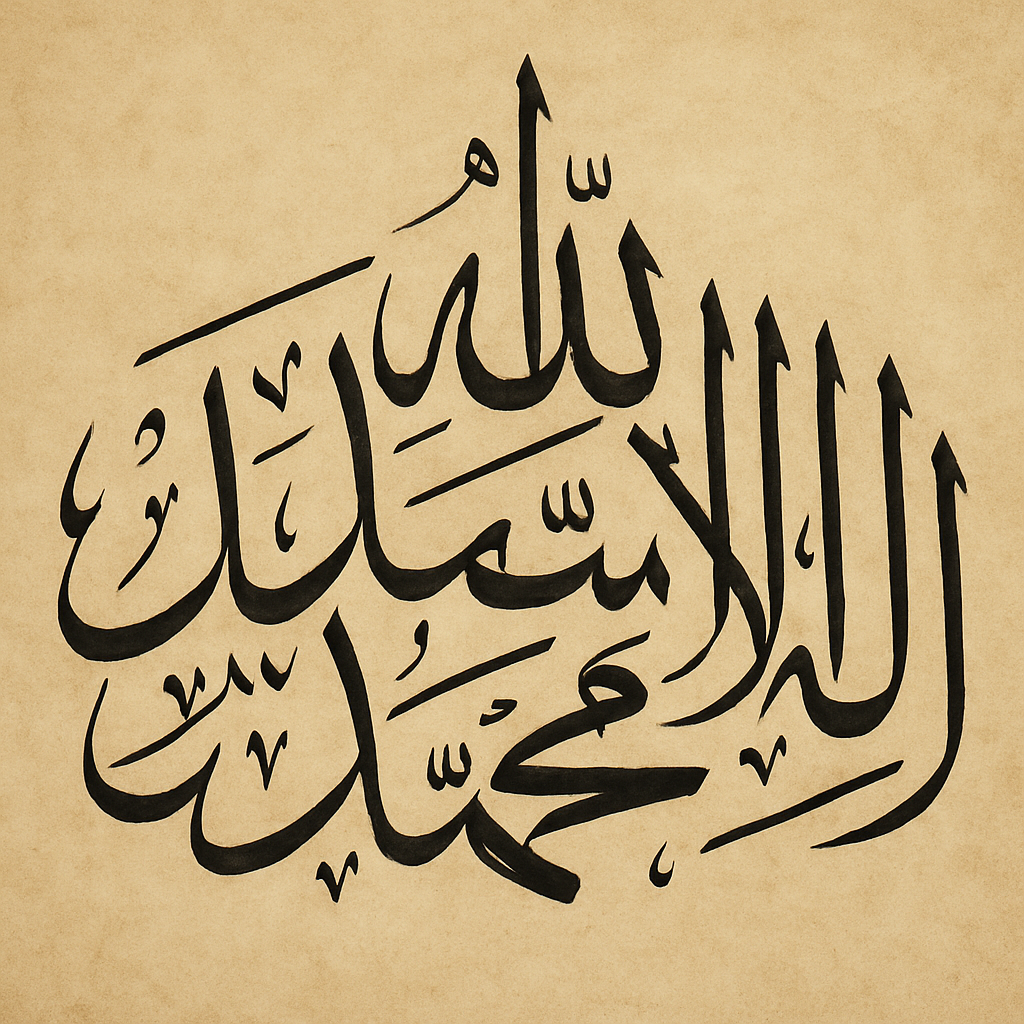
Islamic calligraphy of the Shahada

The Creed of Islam, also known as the “Shahada”, is a declaration of faith that states, “There is no god but Allah, and Muhammad is the Messenger of Allah.” This proclamation is central to Islamic beliefs, marking the entry into the Muslim faith. It underscores the monotheistic nature of Islam and the belief in Muhammad as the final prophet.

The term “creed” in Islam, or “aqidah” in Arabic, encompasses more than just the Shahada. It includes the foundational beliefs in Allah, His angels, His books, His messengers, the Day of Judgment, and divine predestination. However, the Five Pillars of Islam are the practical manifestations of these beliefs, guiding Muslims in their daily lives.

The Five Pillars of Islam

The Five Pillars of Islam are acts of worship that are considered mandatory for all Muslims. They represent a Muslim’s commitment to their faith and their community.

1. Shahada: The Declaration of Faith

The Shahada is the first and most fundamental of the Five Pillars. It is the testimony that there is no deity but Allah, and Muhammad is His messenger. This declaration is not only a statement of belief but also a pledge of allegiance to the principles of Islam. It is recited with sincerity to convert to Islam and is a part of daily prayers.

2. Salah: The Ritual Prayer

Muslims praying in congregation

Salah, or prayer, is performed five times a day at prescribed times: at dawn, noon, mid-afternoon, sunset, and night. This practice is a direct link between the worshipper and Allah. Muslims face the Kaaba in Mecca during their prayers, signifying unity and direction in worship. The prayers consist of recitations from the Quran, and movements such as standing, bowing, and prostrating, which reflect humility and submission to Allah.

3. Zakat: The Almsgiving

Zakat is the third pillar and involves giving a fixed portion of one’s wealth to those in need. It is considered a form of purification and growth, as it helps cleanse wealth and promotes social justice. The obligatory rate is usually 2.5% of a Muslim’s savings and is distributed to the poor, orphans, and those in debt. Zakat fosters a sense of community and responsibility towards others.

4. Sawm: The Fasting During Ramadan

Sawm refers to fasting during the Islamic month of Ramadan. From dawn until sunset, Muslims abstain from food, drink, and other physical needs. Fasting is seen as a means to attain self-discipline, spiritual growth, and empathy for the less fortunate. The fast is broken each day with a meal called iftar, traditionally starting with dates and water. The end of Ramadan is marked by the festival of Eid al-Fitr, a celebration of gratitude and charity.

5. Hajj: The Pilgrimage to Mecca

Pilgrims performing Hajj in Mecca

by Jumanh Jammaz (https://unsplash.com/@jmn1h)

Hajj is the pilgrimage to Mecca that every Muslim must undertake at least once in their lifetime, provided they have the means to do so. It occurs annually during the Islamic month of Dhu al-Hijjah. The pilgrimage includes a series of rituals performed over several days, such as walking around the Kaaba, standing on the plains of Arafat, and the symbolic stoning of the devil. Hajj represents unity, equality, and submission to Allah.

The Importance of the Five Pillars

The Five Pillars are not merely rituals; they are acts of worship that reinforce a Muslim’s faith and their relationship with Allah. They instill discipline, community spirit, and a sense of purpose. By observing these pillars, Muslims demonstrate their commitment to the teachings of Islam and their readiness to live by its principles.

Connecting the Creed and the Pillars

The Creed of Islam and the Five Pillars are interconnected. The Creed provides the theological foundation upon which the Pillars stand. While the Creed defines what Muslims believe, the Pillars define how they practice these beliefs. This practice is not only a personal journey but also a communal experience that strengthens the bonds among Muslims worldwide.

Conclusion

The Five Pillars of Creed Islam are central to the life of a Muslim, providing a framework for worship and a guide for living a life in accordance with Islamic principles. By understanding these pillars, one gains insight into the core practices of Islam and the devotion of its followers to their faith. As these pillars are practiced daily, they continue to shape the lives of Muslims, fostering a sense of unity, discipline, and spiritual fulfillment.

In summary, the Five Pillars of Islam serve as the backbone of the Islamic faith, guiding Muslims in their spiritual and communal lives. Whether through prayer, charity, fasting, pilgrimage, or the declaration of faith, these pillars reflect a profound commitment to living in harmony with the teachings of Islam.

Similar Posts

  • Understanding the Importance of ijazah certificate for Quran

    Understanding the Importance of ijazah certificate for Quran Ijazah serves as a powerful symbol of achievement and dedication in the study of the Quran. It is more than just a qualification; it represents a deep commitment to preserving the Quran’s authenticity and passing it down through generations. In an era where knowledge can be easily fragmented, the Ijazah provides a structured path to mastery, ensuring that the teachings of the Quran remain unchanged and pure. It acts as a cornerstone in the preservation of Islamic education, encouraging a disciplined approach to learning that combines both theory and practice. 📚 Explore Our Latest Islamic Courses 📚 8 Year Dars e Nizami Alim Course – Rabia Khasa Part 2 | Jamia Tul Hassaan Online (HEC &…
  • Exploring the Growth of Muslim Schools in US

    Exploring the Growth of Muslim Schools in US In recent years, the landscape of education in the United States has become increasingly diverse, reflecting the country’s rich cultural tapestry. One significant aspect of this diversity is the growth of Muslim schools across the nation. These institutions play a crucial role in providing educational opportunities tailored to the needs of Muslim communities while also contributing to the broader educational landscape. In this article, we will explore the growth of Muslim schools in America, their unique features, and the impact they have on students and the community. The Rise of Islamic Schools in the United States Historical Context The establishment of Islamic schools in the United States is not a recent phenomenon. The first Muslim school in America was founded in the early 20th century. However, it wasn’t until the latter part of the century that the number of these schools began to increase significantly. This growth can be attributed to a variety of factors, including the increasing Muslim population in the US and the desire of Muslim parents to provide their children with an education that aligns with their religious and cultural values. Current Landscape Today, there are hundreds of Islamic schools scattered across the United States. These schools vary in size and scope, ranging from small community-based institutions to large, well-established schools offering comprehensive educational programs. They can be found in both urban and suburban areas, serving a diverse student body that includes children from various ethnic and socio-economic backgrounds. What Makes Islamic Schools Unique? Curriculum and Educational Approach Islamic schools in the United States offer a curriculum that combines standard academic subjects with Islamic studies. This dual approach allows students to receive a well-rounded education that not only prepares them for higher education and future careers but also instills a strong understanding of their faith and cultural identity. Subjects such as mathematics, science, and language arts are taught alongside courses in Quranic studies, Islamic history, and Arabic language. This integration of religious and secular education helps students develop a comprehensive worldview that is informed by both their faith and contemporary knowledge. Prayer and Religious Activities One of the distinguishing features of Muslim schools is the incorporation of prayer times and religious activities into the daily schedule. Unlike public schools, Islamic schools provide opportunities for students to perform daily prayers and participate in religious observances. This not only supports the spiritual development of students but also fosters a sense of community and belonging. Cultural Sensitivity and Inclusivity Islamic schools are designed to be culturally sensitive environments where students can learn and grow in a setting that respects and celebrates their religious and cultural identity. These schools often host events and activities that promote cultural awareness and understanding, both within the Muslim community and beyond. The Impact of Muslim Schools on Students and Communities Academic Achievement Research has shown that students in Islamic schools often perform well academically. This success can be attributed to several factors, including smaller class sizes, dedicated teachers, and a supportive learning environment. Moreover, the integration of religious and secular education helps students develop critical thinking skills and a strong moral compass, which can contribute to their academic success. Social and Emotional Development Islamic schools provide a nurturing environment that supports the social and emotional development of students. The emphasis on community, respect, and empathy helps students build strong interpersonal skills and develop a sense of responsibility towards others. This holistic approach to education prepares students to be active, engaged members of society. Strengthening the US Muslim Community by Muhammad Adil (https://unsplash.com/@ini_adil) The growth of Muslim schools has had a positive impact on the broader US Muslim community. These institutions serve as community hubs where families can connect, share resources, and support one another. Additionally, they play a vital role in preserving cultural and religious traditions, ensuring that future generations remain connected to their heritage. Challenges and Opportunities Addressing Misconceptions Despite their growth and success, Islamic schools in the United States still face challenges, including misconceptions and stereotypes about their nature and purpose. It is crucial for these schools to engage with the broader community and promote understanding through open communication and outreach efforts. Expanding Access and Resources While the number of Islamic schools has increased, there is still a need to expand access to these educational opportunities, particularly in underserved areas. This requires collaboration between educators, community leaders, and policymakers to ensure that resources and support are available to help these schools thrive….