
The Power of Dhikr and Dua in Daily Life
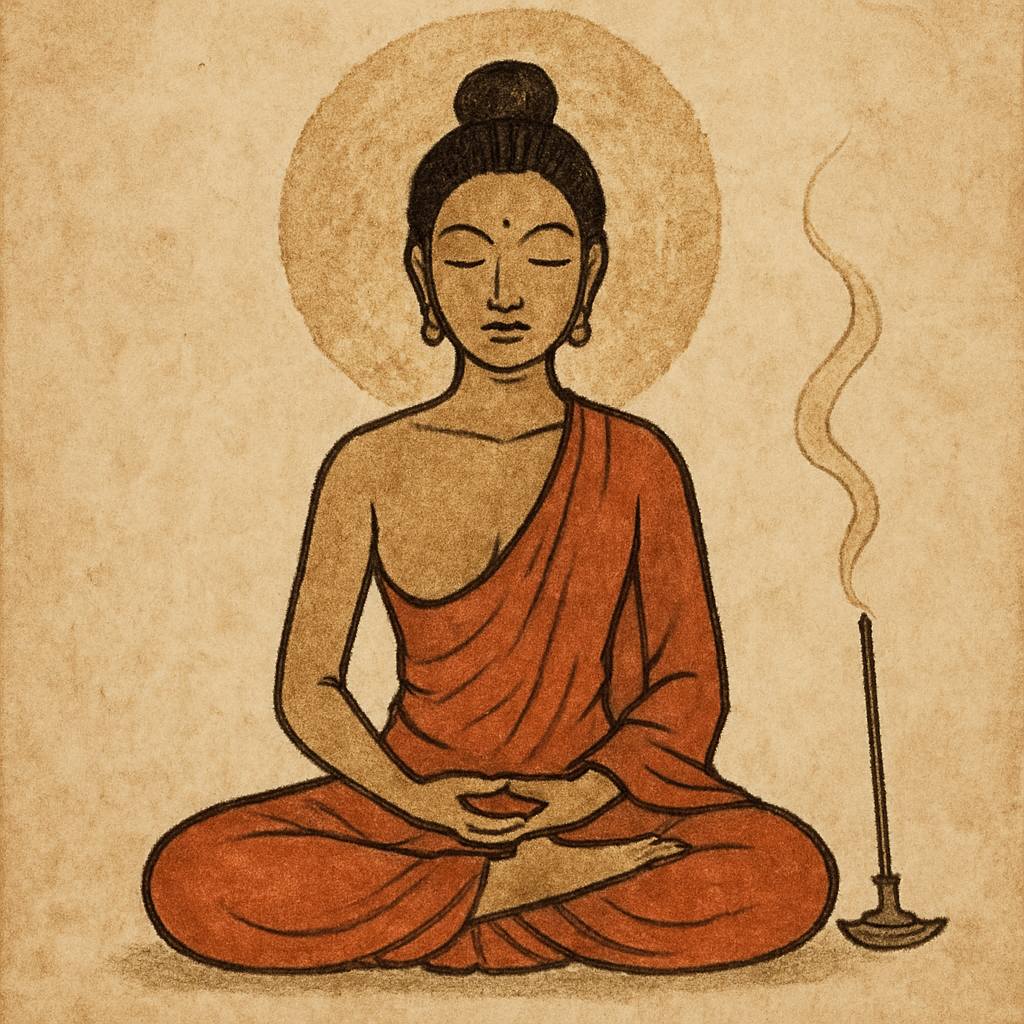
What is Dhikr?
Dhikr, in Islamic tradition, is the remembrance of God through repeated phrases and recitations. It is a form of mindful worship that aims to keep the believer’s heart and mind focused on the divine. By engaging in Dhikr, individuals create a continuous thread of spiritual consciousness that weaves throughout their daily activities, infusing ordinary moments with a sense of the sacred. Common phrases include “Subhanallah” (Glory be to God), “Alhamdulillah” (All praise is due to God), and “Allahu Akbar” (God is the Greatest). These recitations serve as gentle reminders of the believer’s connection to God, providing a spiritual anchor in the ebb and flow of everyday life.
📚 Explore Our Latest Islamic Courses 📚



What is Dua?
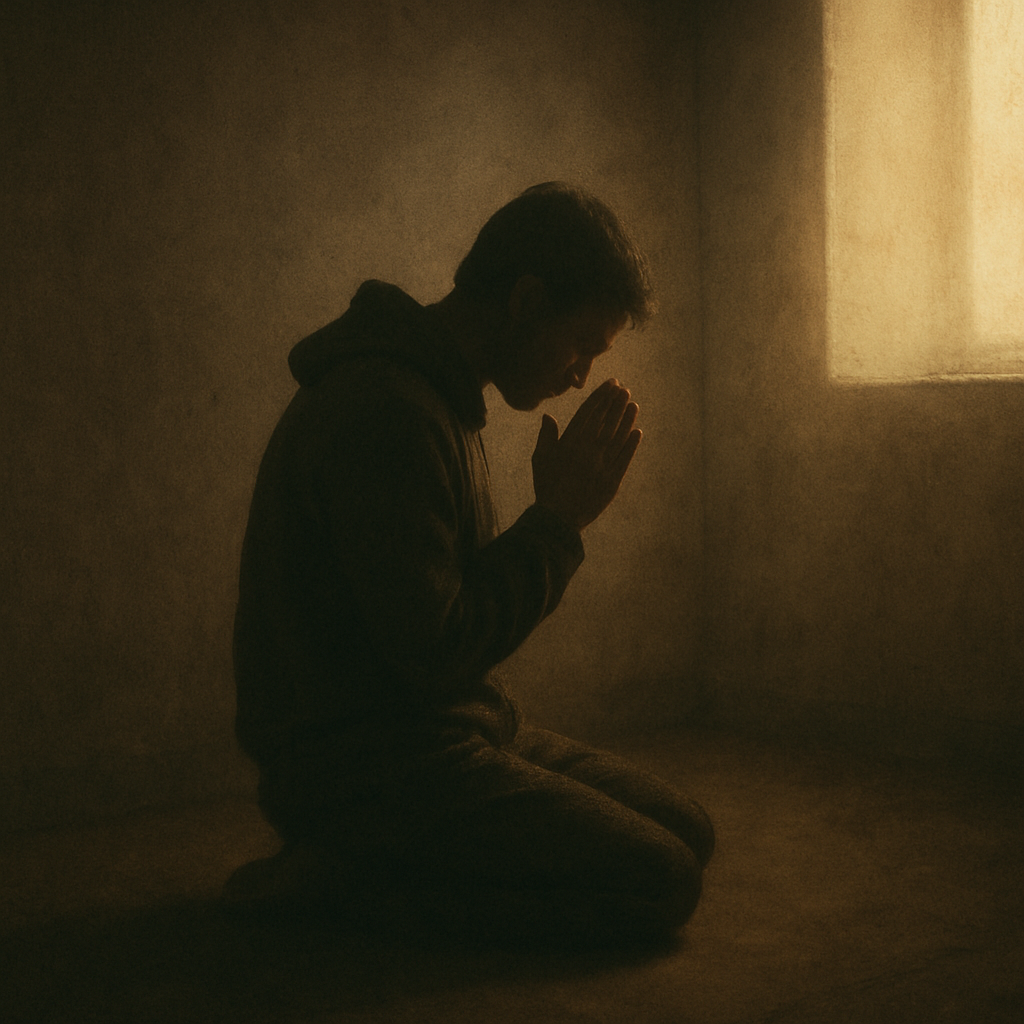
Dua, on the other hand, is the act of supplication. It is a personal prayer where one asks God for guidance, support, or forgiveness. This intimate form of communication allows believers to express their deepest hopes, fears, and desires, fostering a profound personal relationship with the divine. Unlike Dhikr, which is more about remembrance, Dua involves a direct plea and conversation with God, making it a powerful tool for spiritual connection and personal reflection. Through Dua, individuals articulate their personal narratives, seeking divine intervention and blessings in their life’s journey, which not only strengthens faith but also provides emotional solace.
The Benefits of Dhikr
Mindful Worship
Practicing Dhikr allows for moments of pause and reflection amidst daily chaos. It encourages mindfulness, helping individuals focus on the present moment and acknowledge the presence of the divine in their lives. This practice creates a sanctuary of stillness, providing a refuge from the noise and distractions of the external world. As individuals engage in Dhikr, they cultivate a heightened awareness of their thoughts and feelings, promoting a state of inner peace and clarity that extends beyond the moments of recitation.
📚 Explore Our Latest Islamic Courses 📚
Enhanced Spiritual Connection
Regular Dhikr deepens one’s spiritual connection, fostering a sense of peace and contentment. It serves as a reminder of the greater purpose in life, aligning daily actions with spiritual goals. This alignment empowers individuals to live with intention and authenticity, guided by a sense of divine purpose. Through the consistent practice of Dhikr, the heart becomes more attuned to spiritual truths, allowing believers to navigate life’s challenges with grace and resilience, grounded in their faith and values.
Mental and Emotional Well-being
Engaging in Dhikr can lead to improved mental health by reducing stress and anxiety. The repetitive nature of Dhikr has a calming effect, similar to meditation, promoting emotional balance and resilience. As individuals immerse themselves in the rhythmic recitations, they experience a release of tension and negative emotions, fostering a state of inner harmony. This practice not only enhances emotional well-being but also cultivates a positive mindset, empowering individuals to face life’s adversities with strength and optimism.
📚 Explore Our Latest Islamic Courses 📚
The Importance of Dua
Personal Reflection and Growth
Dua offers an opportunity for personal reflection and growth. By articulating needs and desires, individuals gain clarity about their goals and aspirations, fostering personal development and self-awareness. This introspective practice encourages individuals to examine their lives with honesty and humility, identifying areas for growth and transformation. Through Dua, believers embark on a journey of self-discovery, guided by divine wisdom and support, leading to a more purposeful and fulfilling life.
📚 Explore Our Latest Islamic Courses 📚
Strengthened Faith
The act of making Dua reinforces faith and trust in God’s plan. It encourages believers to rely on divine guidance, especially during challenging times, strengthening their spiritual resolve. This unwavering faith provides a source of comfort and hope, empowering individuals to persevere through life’s trials with courage and conviction. As believers witness the power of answered prayers, their faith is further solidified, fostering a deep sense of gratitude and devotion.
Community and Compassion
Dua is not only a personal act but also a communal one. Praying for others cultivates compassion and empathy, enhancing community bonds and promoting a sense of unity and support. This collective practice fosters a spirit of altruism, encouraging individuals to extend kindness and understanding to those around them. By engaging in communal Dua, believers experience the power of shared spirituality, creating a network of love and solidarity that transcends individual differences.
📚 Explore Our Latest Islamic Courses 📚
Integrating Dhikr and Dua into Daily Life
Setting Intentional Time
To fully experience the benefits, set aside intentional time for Dhikr and Dua. Whether it’s a few minutes in the morning or before bed, creating a routine helps make these practices a natural part of daily life. Establishing a dedicated time fosters consistency and commitment, allowing individuals to prioritize their spiritual well-being amidst the demands of everyday life. This intentional practice not only enriches personal spirituality but also enhances overall life satisfaction and balance.
Utilizing Technology
In the digital age, apps and websites dedicated to Dhikr and Dua can be valuable resources. They offer reminders, guided recitations, and a variety of prayers, making it easier to maintain regular practice. For instance, downloading a Dhikr and Dua app can help keep track of daily recitations and provide access to a wide range of supplications tailored to different needs and occasions. These digital tools serve as convenient companions on the spiritual journey, providing support and inspiration at the touch of a button.
📚 Explore Our Latest Islamic Courses 📚

by Azharul Islam Mollah (https://unsplash.com/@azharulm)
Creating a Dedicated Space
Designating a quiet, comfortable space for prayer and meditation can enhance the experience. Personalize this space with items that inspire spirituality, such as prayer mats, candles, or sacred texts. Creating a dedicated space fosters a sense of reverence and focus, transforming ordinary environments into sacred sanctuaries. This intentional design not only enriches the spiritual experience but also serves as a visual reminder of one’s commitment to spiritual growth and mindfulness.
Differences Between Dhikr and Dua
While Dhikr and Dua share the common goal of fostering a spiritual connection, they differ in practice and purpose. Dhikr is more structured, focusing on remembrance and repetition, whereas Dua is flexible, allowing for personal expression and supplication. Understanding these differences helps practitioners appreciate the unique benefits each practice offers and how they complement each other in a spiritual routine. By embracing both practices, individuals can cultivate a holistic spiritual life, enriched by the balance of structured devotion and personal introspection.
Resources for Dhikr and Dua
Online Platforms and PDFs
Numerous websites offer resources for those interested in incorporating Dhikr and Dua into their lives. These platforms provide free PDFs, articles, and videos that teach the significance and methods of these practices. Accessing these resources allows individuals to deepen their understanding and enhance their practice, guided by the insights and wisdom of experienced practitioners. These educational materials serve as valuable companions on the spiritual journey, offering guidance and inspiration at every step.
Community Support
Joining community groups or attending local religious gatherings can enhance your practice. Sharing experiences and learning from others can provide motivation and deepen your understanding of Dhikr and Dua. Engaging with a community of like-minded individuals fosters a sense of belonging and support, creating a nurturing environment for spiritual growth. Through collective learning and shared experiences, individuals can enrich their practice and cultivate a deeper connection to their faith and community.
Conclusion
Incorporating Dhikr and Dua into daily life can significantly enhance spiritual well-being and overall quality of life. These practices offer a path to mindful worship, personal growth, and a deeper connection with the divine. By setting aside time, utilizing modern technology, and engaging with community resources, anyone can experience the transformative power of Dhikr and Dua. Whether you are seeking peace, guidance, or a stronger spiritual connection, the consistent practice of Dhikr and Dua can pave the way for a more balanced, fulfilling life. Embrace these practices and allow them to guide you towards spiritual enlightenment and personal growth. Through dedication and intention, individuals can unlock the profound potential of these spiritual traditions, cultivating a life of purpose, peace, and divine connection.