
Benefits of Dhikr After Salah Explained
In the fast-paced world we live in, finding moments of peace and reflection can be challenging. Yet, many Muslims have discovered a powerful way to cultivate tranquility and mindfulness through dhikr, especially after salah (prayer). In this article, we will explore the benefits of dhikr after salah, its spiritual significance, and how you can incorporate it into your daily routine for a more fulfilling spiritual journey.
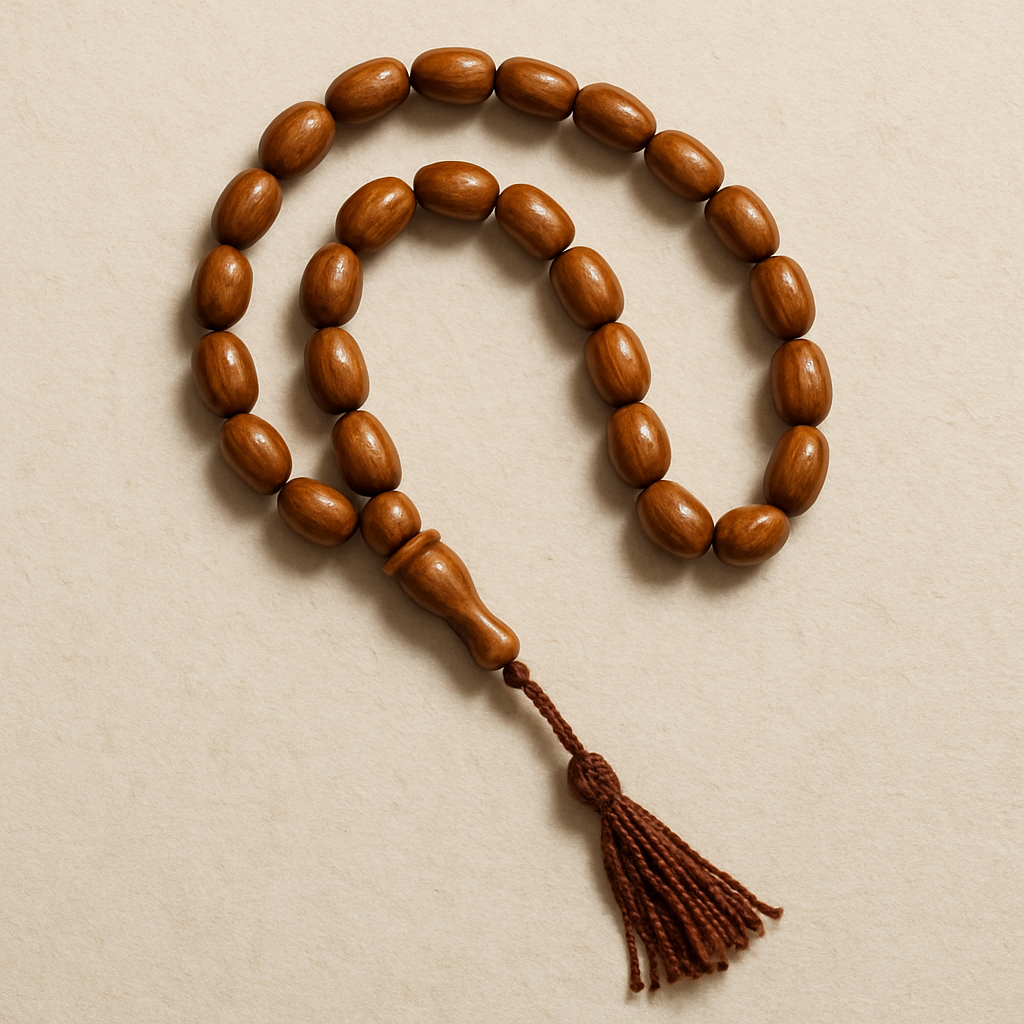
The Concept of Dhikr in Islam
Dhikr, or “remembrance,” refers to the practice of remembering Allah (God) through specific phrases or prayers. This practice is deeply rooted in Islamic tradition and is encouraged as a way to maintain spiritual mindfulness and connection with the divine. It is a form of worship that transcends time and place, allowing Muslims to engage in a continuous conversation with Allah. By engaging in dhikr, individuals can foster a sense of inner peace and reflection, which is particularly significant after completing the ritual prayers of salah.
Historical Roots of Dhikr
The practice of dhikr has historical significance within Islam, dating back to the Prophet Muhammad (peace be upon him) and his companions. They emphasized the importance of remembering Allah in all aspects of life, highlighting dhikr as a means to attain closeness to the Creator. Over centuries, various Islamic scholars and mystics have elaborated on dhikr, integrating it into diverse cultural practices and spiritual disciplines. Understanding its historical roots enriches one’s appreciation of dhikr and its place in Islamic spirituality.
📚 Explore Our Latest Islamic Courses 📚





Dhikr in Different Islamic Traditions
Dhikr is practiced in various forms across different Islamic traditions. For instance, Sufi orders are known for their unique dhikr ceremonies, which often include rhythmic chanting and physical movements to enhance spiritual experiences. In contrast, other traditions may emphasize silent and individual recitations. These variations reflect the rich tapestry of Islamic spirituality, showcasing dhikr’s adaptability and its universal appeal in enhancing one’s spiritual journey.
The Spiritual Benefits of Dhikr After Salah
Enhancing Spiritual Mindfulness
Dhikr after salah offers a unique opportunity to pause and reflect on one’s spiritual journey. It encourages mindfulness by focusing the mind and heart on the remembrance of Allah. This practice not only helps in reducing stress but also enhances one’s spiritual awareness and connection to the Creator. By engaging in dhikr, individuals can cultivate a heightened state of consciousness that allows them to live more intentionally and purposefully.
Deepening Connection with Allah
Reciting azkar (plural of dhikr) after salat strengthens the bond between the worshipper and Allah. It serves as a reminder of His presence and mercy, fostering a deeper, more personal relationship with Him. This connection brings about a sense of comfort and assurance in one’s faith. As this relationship deepens, individuals often experience a greater sense of fulfillment and purpose, knowing that they are aligned with divine will.
📚 Explore Our Latest Islamic Courses 📚
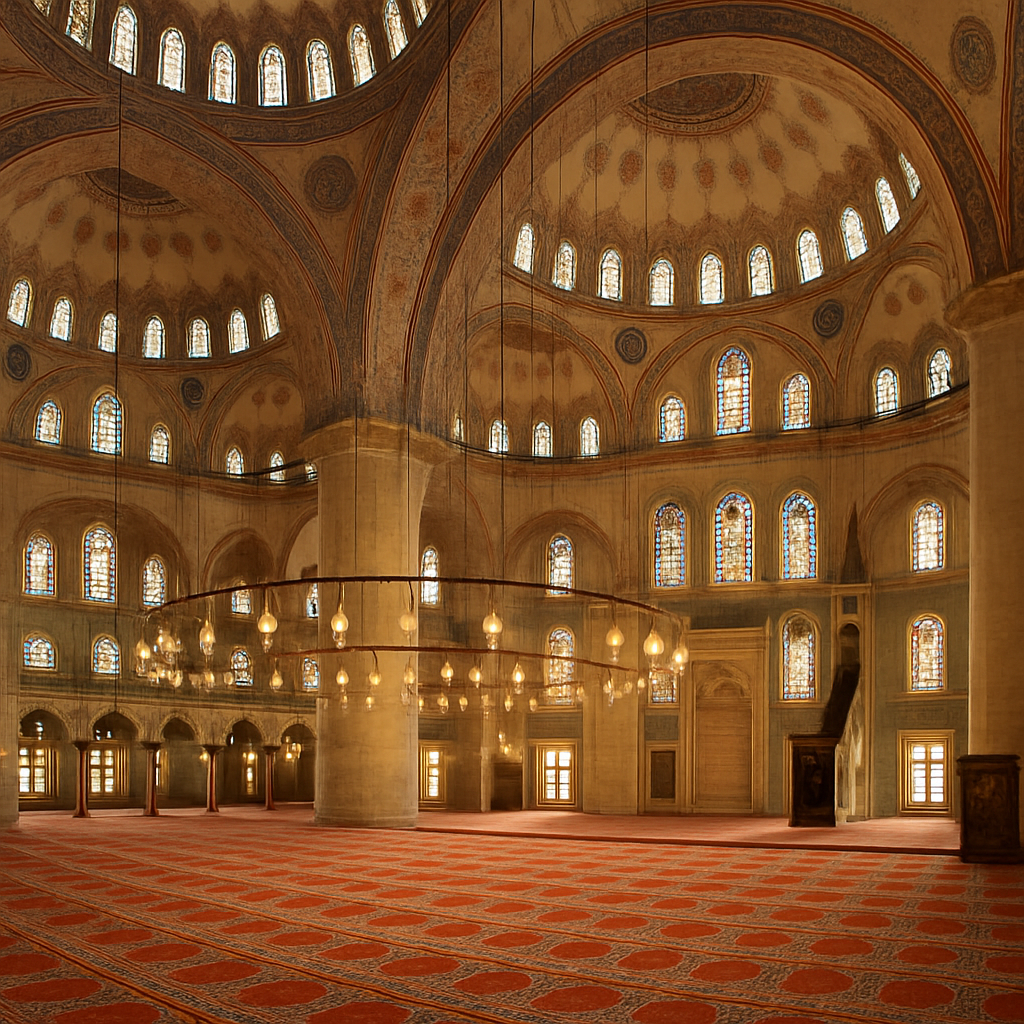
Cultivating Inner Peace
Dhikr has been likened to a form of Islamic meditation. The repetitive nature of the phrases allows the mind to quiet and the heart to become serene. This tranquility can be carried into daily life, providing a stable emotional foundation and reducing anxiety and worry. Inner peace achieved through dhikr is not merely the absence of conflict but an active state of harmony and balance that permeates all aspects of life.
Strengthening Community Bonds
Engaging in dhikr after salah can also strengthen community bonds, especially when performed in a group setting. Collective remembrance fosters a sense of unity and shared purpose among participants, building a supportive spiritual community. This communal aspect of dhikr underscores the Islamic principle of brotherhood and sisterhood, encouraging individuals to support one another in their spiritual growth.
Encouraging Self-Reflection
Dhikr serves as a catalyst for self-reflection, prompting individuals to assess their actions and intentions. This introspection is crucial for personal growth, helping Muslims to align their lives with Islamic values. By regularly reflecting on one’s behavior and thoughts, individuals can identify areas for improvement and strive towards becoming better versions of themselves.
📚 Explore Our Latest Islamic Courses 📚
How to Perform Dhikr After Salat
Performing dhikr after salah is a simple yet powerful practice. Here’s a step-by-step guide to help you get started:
Step 1: Complete Your Salah
Begin by completing your salah, ensuring you have fulfilled all its requirements with sincerity and concentration. This foundational step is crucial, as the quality of your prayer sets the tone for the dhikr that follows. By approaching salah with devotion, you create a conducive environment for meaningful remembrance.
Step 2: Choose Your Dhikr
Common dhikr phrases include “SubhanAllah” (Glory be to Allah), “Alhamdulillah” (Praise be to Allah), and “Allahu Akbar” (Allah is the Greatest). You can also recite specific prayers or verses from the Quran. Selecting dhikr phrases that resonate with you can enhance the personal significance of the practice, allowing the words to touch your heart more profoundly.
📚 Explore Our Latest Islamic Courses 📚
Step 3: Focus Your Mind and Heart
As you recite the dhikr, focus your mind and heart on the meaning of the words. Allow yourself to be present in the moment, letting go of distractions and concerns. This focused state is akin to meditation, where the mind is centered on a single point, fostering a deeper connection with Allah.
Step 4: Repeat with Intention
Repetition is key in dhikr. Recite your chosen phrases with intention and sincerity, allowing their meaning to resonate within you. You can use dhikr beads to keep track of your recitations, or simply count them in your mind. The physical act of counting can enhance concentration, making the practice more immersive and rewarding.
Step 5: Conclude with a Personal Prayer
After completing your dhikr, conclude with a personal prayer (dua), asking Allah for guidance, forgiveness, and blessings. This personal supplication is an opportunity to communicate directly with the Creator, expressing your deepest hopes and concerns. It adds a personal touch to your spiritual practice, making it more relevant to your life’s circumstances.
📚 Explore Our Latest Islamic Courses 📚
The Psychological and Emotional Benefits
Reducing Stress and Anxiety
Engaging in dhikr after prayer can significantly reduce stress and anxiety. The practice encourages deep breathing and focus, which can calm the nervous system and promote relaxation. This physiological response is similar to that achieved through mindfulness and meditation, offering a natural way to manage stress.
Boosting Emotional Resilience
Regular dhikr helps in building emotional resilience. By centering the mind and fostering a sense of gratitude and contentment, individuals become better equipped to handle life’s challenges with patience and strength. This resilience is not only beneficial for personal well-being but also enhances one’s ability to support others in times of need.

by Valentina Yoga (https://unsplash.com/@valentinayoga)
📚 Explore Our Latest Islamic Courses 📚
Promoting Positivity and Gratitude
Dhikr after salah encourages a mindset of positivity and gratitude. By focusing on the blessings and mercies of Allah, individuals can cultivate a more optimistic outlook on life, which can improve overall well-being. This positive mindset can lead to greater satisfaction in personal and professional relationships, fostering a sense of fulfillment and happiness.
Enhancing Cognitive Function
Research suggests that practices like dhikr, which involve repetition and focus, can enhance cognitive function. By regularly engaging in dhikr, individuals may experience improvements in memory, attention, and problem-solving skills. These cognitive benefits contribute to overall mental health and well-being, enabling individuals to navigate complex tasks more effectively.
Strengthening Emotional Bonds with Family
The emotional benefits of dhikr can extend to family life, strengthening bonds and improving communication. When practiced together, dhikr can create a shared spiritual experience that brings family members closer. This collective practice promotes understanding and empathy, laying the groundwork for healthier and more supportive family dynamics.
📚 Explore Our Latest Islamic Courses 📚
Dhikr in Daily Life
Incorporating dhikr into daily life beyond the ritual of salah can further enhance its benefits. Here are some ways to make dhikr a regular part of your routine:
Morning and Evening Adhkar
Starting and ending your day with dhikr can set a positive tone and provide closure. Morning and evening adhkar are recommended in Islamic tradition and can be a source of comfort and protection. These practices help to frame the day with mindfulness and gratitude, ensuring that one’s actions are aligned with spiritual values.
During Idle Moments
Use idle moments throughout your day to engage in dhikr. Whether you’re commuting, waiting in line, or taking a break, these small pockets of time can be transformed into opportunities for spiritual reflection. By integrating dhikr into everyday activities, you can maintain a continuous connection with Allah, making spirituality an integral part of daily life.
📚 Explore Our Latest Islamic Courses 📚
In Times of Difficulty
Turning to dhikr in times of difficulty can provide solace and guidance. It serves as a reminder of Allah’s support and can help in navigating challenging situations with a calm and composed mindset. During trials, dhikr can offer the strength and patience needed to persevere, reinforcing one’s faith and trust in divine wisdom.
Before Important Decisions
Engaging in dhikr before making important decisions can provide clarity and insight. By grounding oneself in remembrance, individuals can approach decision-making with a clear mind and a balanced perspective. This practice encourages reliance on divine guidance, ensuring that choices are made in accordance with Islamic principles.
As a Family Activity
Incorporating dhikr into family routines can instill spiritual values in children and strengthen family bonds. Shared dhikr sessions can become cherished family traditions, creating a supportive environment for spiritual growth. This collective practice encourages open dialogue about faith and spirituality, fostering a nurturing space for spiritual development.
Conclusion
Dhikr after salah is a practice rich with spiritual, psychological, and emotional benefits. By integrating dhikr into your life, you can enhance your spiritual mindfulness, deepen your connection with Allah, and cultivate a sense of inner peace and resilience. Whether you are new to this practice or looking to deepen your existing routine, dhikr offers a pathway to a more fulfilling and spiritually connected life.
Embrace the tranquility and mindfulness that dhikr brings, and discover the profound impact it can have on your spiritual journey and daily life. By making dhikr a central part of your spiritual practice, you can unlock new dimensions of personal growth and fulfillment, enriching your relationship with yourself, your community, and the Divine.
📚 Explore Our Latest Islamic Courses 📚