
Benefits of Tasbih After Salah Explained
# Benefits of Tasbih After Salah Explained
In the realm of Islamic practices, engaging in dhikr (remembrance of Allah) through tasbih after salah holds a significant place. For many, it serves as a spiritual anchor, providing peace and reflection after the completion of each prayer. This article delves into the benefits of reading tasbih after salah and elucidates why this practice is highly valued in Islam.
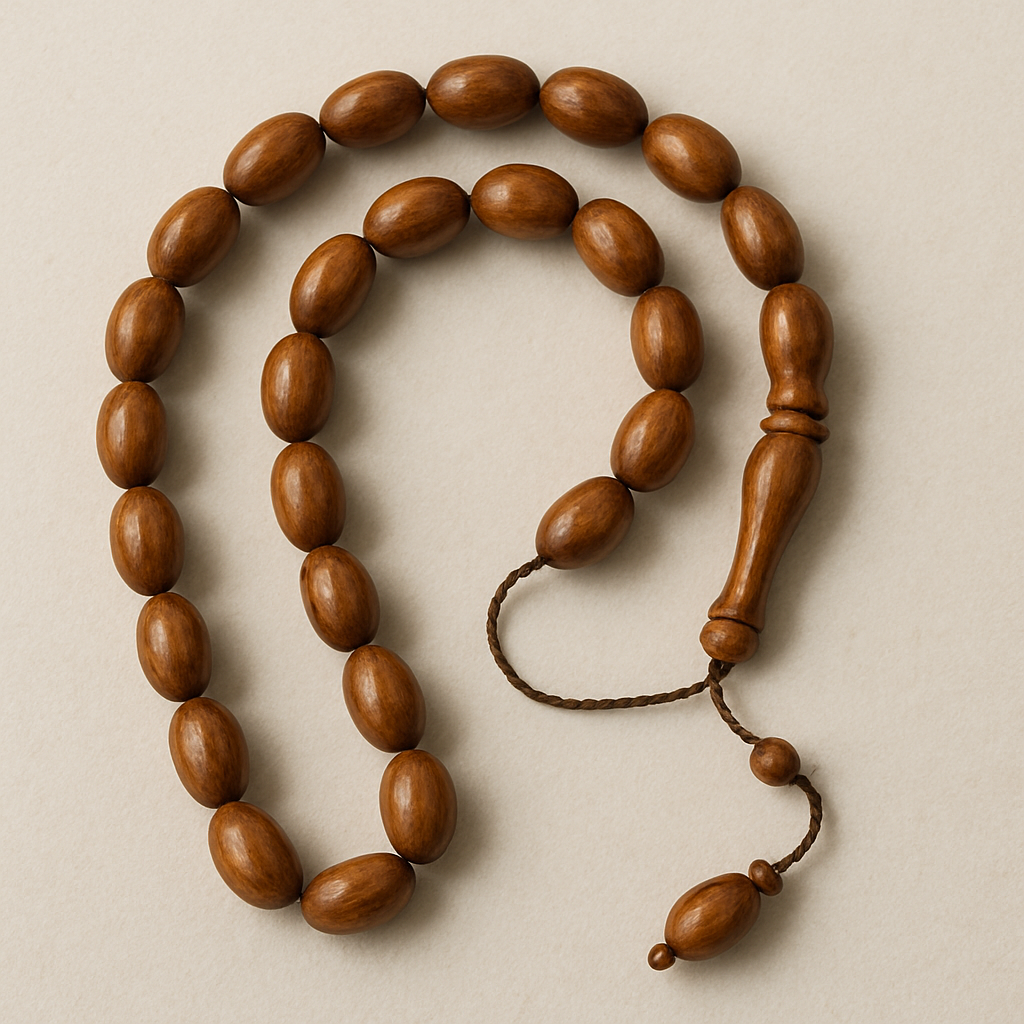
Tasbih, often performed with prayer beads, involves repeating specific phrases or prayers to glorify Allah. The practice of tasbih after salah is an act of devotion that helps to keep believers connected with their faith. The ritual of reciting tasbih after salah is deeply rooted in Islamic tradition, often associated with the teachings of the Prophet Muhammad (peace be upon him).
📚 Explore Our Latest Islamic Courses 📚





The Tasbih of Fatima
A highly revered practice is the Tasbih of Fatima, named after the Prophet’s daughter, Fatima (may Allah be pleased with her). This involves the recitation of:
- 33 times “Subhanallah” (Glory be to Allah)
- 33 times “Alhamdulillah” (Praise be to Allah)
- 34 times “Allahu Akbar” (Allah is the Greatest)
This specific sequence is believed to enhance one’s spiritual state and is a recommended act after each of the five daily prayers.
Spiritual Benefits of Tasbih After Salah
Enhances Concentration and Focus
Engaging in tasbih after salah can significantly enhance one’s concentration and focus. As you rhythmically repeat the phrases, your mind is drawn away from worldly distractions and onto the divine, allowing for a deeper spiritual connection and mental clarity.
📚 Explore Our Latest Islamic Courses 📚
Fosters a Sense of Peace and Calm
The repetition of tasbih brings about a sense of peace and calm. This practice is akin to meditation, where the rhythmic chanting and focus on the divine create a tranquil state, helping to reduce stress and anxiety.
Encourages Spiritual Reflection
Tasbih after salah encourages spiritual reflection, giving you a moment to ponder over the greatness of Allah and the teachings of Islam. This reflection is crucial for personal growth and understanding one’s place in the world.
The Hadith on Tasbih After Salah
The practice of tasbih after salah is supported by various hadiths. One particular hadith highlights that the Prophet Muhammad (peace be upon him) recommended the Tasbih of Fatima to his daughter, emphasizing the spiritual rewards and benefits associated with this practice.
Rewards of Tasbih After Salah
According to Islamic tradition, engaging in tasbih after salah not only brings peace and tranquility but also offers spiritual rewards. It is said that the consistent practice of tasbih can lead to increased blessings and a closer connection to Allah.
📚 Explore Our Latest Islamic Courses 📚
How to Perform Tasbih After Salah
Step-by-Step Guide
- Prepare Mentally and Physically: After completing your salah, take a moment to gather your thoughts and intentions.
- Use Prayer Beads: Although not necessary, using prayer beads can help you keep track of your recitations. Each bead represents a recitation, aiding in focus and consistency.
- Recite the Tasbih of Fatima:33 times “Subhanallah”33 times “Alhamdulillah”34 times “Allahu Akbar”
- Conclude with Personal Supplications: After completing the tasbih, you may choose to make personal supplications, asking for guidance, forgiveness, and blessings.
Tips for Effective Tasbih
- Be Consistent: Make tasbih a regular part of your post-salah routine to reap the full spiritual benefits.
- Focus on Meaning: While reciting, focus on the meaning of each phrase to deepen your spiritual engagement.
- Create a Peaceful Environment: Find a quiet place free from distractions to enhance your concentration and reflection.
Integrating Tasbih into Daily Life
Incorporating tasbih into your daily life extends beyond post-salah practices. You can engage in dhikr at any time throughout the day, using moments of pause to reconnect with your spirituality and reflect on the blessings of life.
Tasbih as a Form of Islamic Meditation
Tasbih can serve as a form of Islamic meditation, offering a structured way to focus on spiritual growth. By integrating tasbih into your daily routine, you cultivate a mindful approach to living, constantly reminding yourself of Allah’s greatness and mercy.
Conclusion
The benefits of tasbih after salah are manifold, ranging from spiritual peace to increased concentration and rewards. By making this practice a regular part of your life, you not only enhance your prayer experience but also deepen your connection with Allah. Whether you are new to the practice or have been engaging in tasbih for years, the spiritual and emotional benefits are profound and life-enriching.
Embrace the tranquility and reflection that comes with tasbih after salah, and allow it to guide you on your spiritual journey.