
Essential Dua Before Namaz
For Muslims around the world, Namaz (also known as Salah) is a fundamental pillar of faith. It is a form of worship that establishes a direct connection with Allah. Before beginning this sacred act, many faithful individuals recite specific duas (supplications) to prepare their hearts and minds. This article delves into these essential duas and their significance in enhancing the spiritual experience of Namaz.
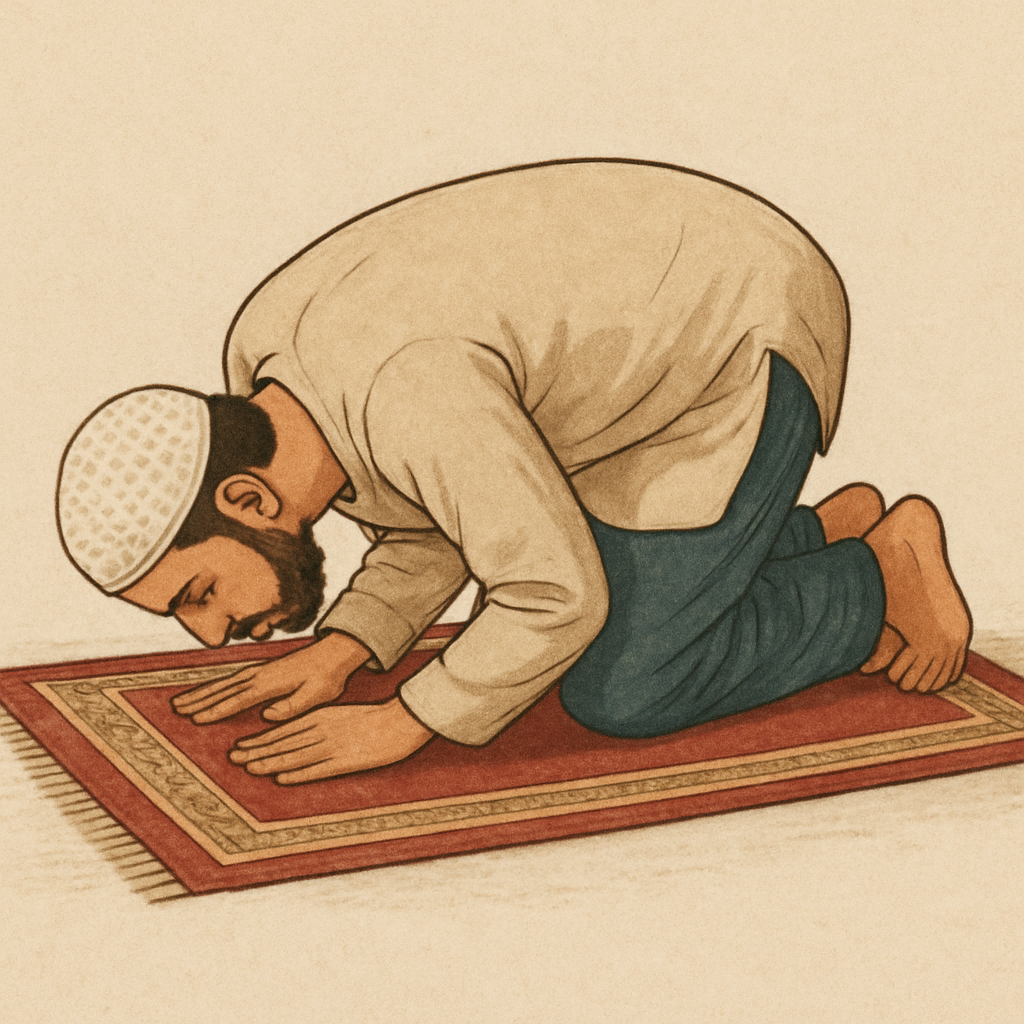
Dua is a powerful act of worship in Islam. It is a personal dialogue with Allah, where believers express their needs, gratitude, and seek guidance. Before starting Namaz, reciting a dua helps purify the intentions, focusing the mind and heart on the prayer ahead. It serves as a reminder of the purpose and significance of the act of worship, aligning the worshipper’s thoughts and actions with their faith.
📚 Explore Our Latest Islamic Courses 📚






The Spiritual Connection Through Dua
The act of making dua before Namaz is not merely ritualistic but serves to deepen the spiritual connection with Allah. By consciously engaging in dua, worshippers can clear their minds of worldly distractions. This practice helps in acknowledging the divine presence, making the transition into prayer more profound and heartfelt.
Purification of Intentions
Before engaging in Namaz, the recitation of dua serves as a means to purify one’s intentions. It is essential to approach prayer with sincerity, focusing solely on worship and devotion. By verbalizing one’s intentions through dua, individuals can mentally and spiritually prepare themselves, ensuring their prayer is not just an obligation but a heartfelt act of worship.
Enhancing Mindfulness in Worship
Reciting dua before Namaz enhances mindfulness, encouraging believers to concentrate on the significance of their actions. In a world filled with distractions, this moment of reflection helps Muslims center their thoughts on their spiritual journey. By doing so, they can approach Salah with a clear and focused mind, increasing the depth of their worship experience.
📚 Explore Our Latest Islamic Courses 📚
Dua Before Durood Shareef Namaz
One of the commonly recited duas before Namaz is the one before Durood Shareef. This dua is specifically meant to invoke blessings upon the Prophet Muhammad (PBUH) and to seek Allah’s mercy and guidance. Reciting this dua helps in setting a reverent and humble tone for the prayer.
Invoking Blessings Upon the Prophet
The Durood Shareef is a supplication that asks Allah to bless the Prophet Muhammad (PBUH) and his family. It is a way for Muslims to express their love and respect for the Prophet. By beginning their prayer with this dua, worshippers cultivate a sense of humility and gratitude, recognizing the Prophet’s role in guiding them towards the path of righteousness.
Seeking Allah’s Mercy and Guidance
Before starting Namaz, Muslims recite duas that seek Allah’s mercy and guidance. This practice helps in acknowledging human limitations and the need for divine support. By seeking Allah’s guidance, worshippers can align their actions with His will, striving to live a life that is pleasing to Him.
📚 Explore Our Latest Islamic Courses 📚
Establishing a Humble Tone for Prayer
The act of reciting dua before Durood Shareef sets a humble tone for the prayer. It reminds believers of their dependence on Allah’s mercy and their commitment to follow the teachings of Islam. This mindset fosters a sincere and devoted approach to Namaz, enhancing the overall spiritual experience.
Dua Before Jummah Namaz
The Jummah prayer, held every Friday, holds special significance in Islam. It is a congregational prayer that brings together the community in worship. Before starting the Jummah Namaz, Muslims often recite specific duas to prepare spiritually and to request Allah’s blessings for the week ahead. This dua can be a personal supplication or one of the traditional ones passed down through generations.
The Significance of Jummah Prayer
Jummah prayer is not only a time for individual worship but also a communal gathering that strengthens the bonds within the Muslim community. Reciting dua before Jummah Namaz allows individuals to prepare themselves spiritually, fostering a sense of unity and shared purpose. This collective worship experience reinforces the values of brotherhood and mutual support among Muslims.
📚 Explore Our Latest Islamic Courses 📚
Preparing Spiritually for Jummah
Before attending Jummah prayer, Muslims engage in specific duas to prepare their hearts and minds for the occasion. This preparation involves seeking forgiveness for past shortcomings and asking for guidance in the week ahead. By doing so, worshippers can approach Jummah with a renewed sense of purpose and devotion.
Requesting Blessings for the Week Ahead
Reciting dua before Jummah Namaz is an opportunity to request Allah’s blessings for the upcoming week. Worshippers can ask for protection, guidance, and success in their endeavors, trusting in Allah’s wisdom and mercy. This practice encourages believers to rely on divine support, instilling confidence and hope for the future.
Dua For Salah
Before beginning any Salah, Muslims can recite the following dua to enhance their focus and devotion:
📚 Explore Our Latest Islamic Courses 📚
“Subhanaka Allahumma wa bihamdika, wa tabarakasmuka, wa ta’ala jadduka, wa la ilaha ghayruk.”
This dua praises Allah’s glory and grandeur, acknowledging His majesty and uniqueness. It serves to remind the worshipper of the greatness of Allah before they stand in His presence during Salah.
Acknowledging Allah’s Majesty
The recitation of dua before Salah serves as a reminder of Allah’s majesty and greatness. By acknowledging His supreme power and authority, worshippers can approach prayer with a sense of awe and reverence. This mindset helps deepen their connection with Allah, enhancing the spiritual quality of their worship.
📚 Explore Our Latest Islamic Courses 📚
Enhancing Focus and Devotion
Reciting dua before Salah is a way to enhance focus and devotion during prayer. By setting their intentions and clearing their minds of distractions, worshippers can engage in a more meaningful and fulfilling worship experience. This practice encourages mindfulness and concentration, allowing individuals to fully immerse themselves in their prayer.
Setting the Tone for Worship
The act of reciting dua before Salah sets the tone for worship, creating an atmosphere of peace and tranquility. This preparation helps worshippers transition from the hustle and bustle of daily life to a state of spiritual reflection and contemplation. By doing so, they can approach Salah with a calm and focused mind, enriching their connection with Allah.
Dua Before Salam in Namaz
📚 Explore Our Latest Islamic Courses 📚
The conclusion of Namaz is marked by offering Salam, which signifies peace. Before reaching this final moment, there are specific duas that can be recited. These duas help in seeking forgiveness and mercy for any mistakes made during the prayer, and they reaffirm the worshipper’s faith and dedication to living a life pleasing to Allah.
Seeking Forgiveness and Mercy
Before offering Salam, Muslims recite duas that seek forgiveness and mercy from Allah. This practice acknowledges human imperfection and the need for divine pardon. By asking for forgiveness, worshippers can conclude their prayer with a sense of humility and repentance, striving to improve their actions in the future.
Reaffirming Faith and Dedication
Reciting dua before Salam is an opportunity to reaffirm one’s faith and dedication to living a life that is pleasing to Allah. This practice reinforces the worshipper’s commitment to follow the teachings of Islam, cultivating a deeper sense of devotion and spiritual growth. By doing so, individuals can strengthen their resolve to adhere to their religious principles.
📚 Explore Our Latest Islamic Courses 📚
Embracing Peace and Tranquility
The act of offering Salam at the end of Namaz signifies peace and tranquility. By reciting dua before this moment, worshippers can embrace a sense of calm and contentment, knowing that they have fulfilled their religious obligation. This practice encourages individuals to carry this peaceful mindset into their daily lives, promoting harmony and understanding within the community.
Islamic Prayer Dua
Islamic prayer is incomplete without dua. Dua is considered the essence of worship, and it plays a vital role in the spiritual journey of a Muslim. The Prophet Muhammad (PBUH) emphasized the importance of dua, encouraging believers to make it a regular part of their lives. Through dua, Muslims can seek help, express gratitude, and find solace in times of difficulty.
The Essence of Worship
Dua is considered the essence of worship in Islam, serving as a means to communicate directly with Allah. By engaging in dua, Muslims can express their deepest thoughts and feelings, seeking guidance and support from their Creator. This personal connection enhances the spiritual experience of prayer, making it a vital component of Islamic worship.
📚 Explore Our Latest Islamic Courses 📚
Seeking Help and Guidance
Through dua, Muslims can seek help and guidance from Allah in their daily lives. This practice involves asking for assistance in overcoming challenges and making decisions, trusting in Allah’s wisdom and mercy. By doing so, worshippers can approach life with confidence and resilience, knowing that they are supported by a higher power.
Expressing Gratitude and Finding Solace
Dua provides an opportunity for Muslims to express gratitude for the blessings they have received. This practice encourages individuals to reflect on the positive aspects of their lives, fostering a sense of contentment and appreciation. In times of difficulty, dua also offers solace and comfort, reminding believers of Allah’s presence and support.
The Significance of Namaj Dua

📚 Explore Our Latest Islamic Courses 📚
by AmirHadi Manavi (https://unsplash.com/@manavimoghadam)
The term “Namaj Dua” refers to the supplications made during and before Salah. These duas are integral to the prayer ritual, providing a means to communicate directly with Allah. They are a source of comfort and strength, reminding the worshipper of Allah’s omnipresence and mercy.
Communicating Directly with Allah
Namaj Dua provides a direct line of communication with Allah, allowing worshippers to express their thoughts and feelings openly. This practice fosters a personal relationship with the Creator, enhancing the spiritual quality of prayer. By engaging in dua, Muslims can strengthen their connection with Allah, deepening their faith and devotion.
A Source of Comfort and Strength
The recitation of Namaj Dua serves as a source of comfort and strength for Muslims. By seeking Allah’s guidance and support, worshippers can find solace in times of difficulty and uncertainty. This practice encourages individuals to rely on divine assistance, instilling confidence and resilience in their spiritual journey.
Reminding of Allah’s Omnipresence and Mercy
Namaj Dua serves as a reminder of Allah’s omnipresence and mercy, reinforcing the belief that He is always present and attentive to the needs of His worshippers. This understanding fosters a sense of trust and reliance on Allah, encouraging believers to approach their prayers with sincerity and humility.
Practical Tips for Incorporating Dua into Daily Prayers
- Consistency: Make dua a regular part of your prayer routine. Begin with simple, heartfelt supplications and gradually incorporate more traditional duas.
- Understanding: Learn the meanings of the Arabic duas to enhance their impact and make the recitation more meaningful.
- Sincerity: Approach dua with sincerity and humility, truly believing in Allah’s power to answer.
- Patience: Remember that Allah’s timing is perfect. Be patient and trust that your duas are heard and will be answered in the best way.
Making Dua a Regular Practice
Consistency in reciting dua is crucial for enhancing one’s spiritual journey. By making dua a regular part of their daily routine, Muslims can cultivate a habit of seeking divine guidance and support. This practice fosters a deeper connection with Allah, encouraging individuals to rely on Him in all aspects of their lives.
Understanding the Meaning of Duas
Understanding the meaning of the Arabic duas is essential for maximizing their impact. By learning the translations and significance of these supplications, worshippers can engage in more meaningful and heartfelt prayer. This knowledge enhances the spiritual quality of dua, allowing individuals to fully appreciate the depth of their communication with Allah.
Approaching Dua with Sincerity and Humility
When making dua, it is important to approach the act with sincerity and humility. By genuinely believing in Allah’s power to answer prayers, worshippers can engage in a more sincere and heartfelt dialogue with their Creator. This mindset encourages individuals to express their true thoughts and feelings, fostering a deeper connection with Allah.
Trusting in Allah’s Timing
Patience is a key component of making dua, as Allah’s timing is perfect. Worshippers must trust that their prayers are heard and will be answered in the best way. This understanding fosters a sense of peace and contentment, encouraging individuals to remain hopeful and resilient in their spiritual journey.
Conclusion
Dua is a cornerstone of Islamic worship and an essential component of Namaz. By incorporating specific duas before and during Namaz, Muslims can enrich their prayer experience, aligning their intentions with their spiritual goals. Whether in Arabic or one’s native language, these supplications serve as a powerful tool for seeking Allah’s guidance, mercy, and blessings.
Incorporate these essential duas into your daily prayer routine to cultivate a deeper connection with your faith and to enhance your spiritual journey.