
Understanding the Significance of Tashahhud in Prayer
Prayer, or Salah, is a fundamental aspect of Islamic worship, and the Tashahhud is a key component within it. Understanding its significance, recitation, and meaning can enhance one’s spiritual connection and focus during prayer. This article delves into the depths of Tashahhud, exploring its role in Salah, the manner of its recitation, and the profound impact it holds in the life of a believer.
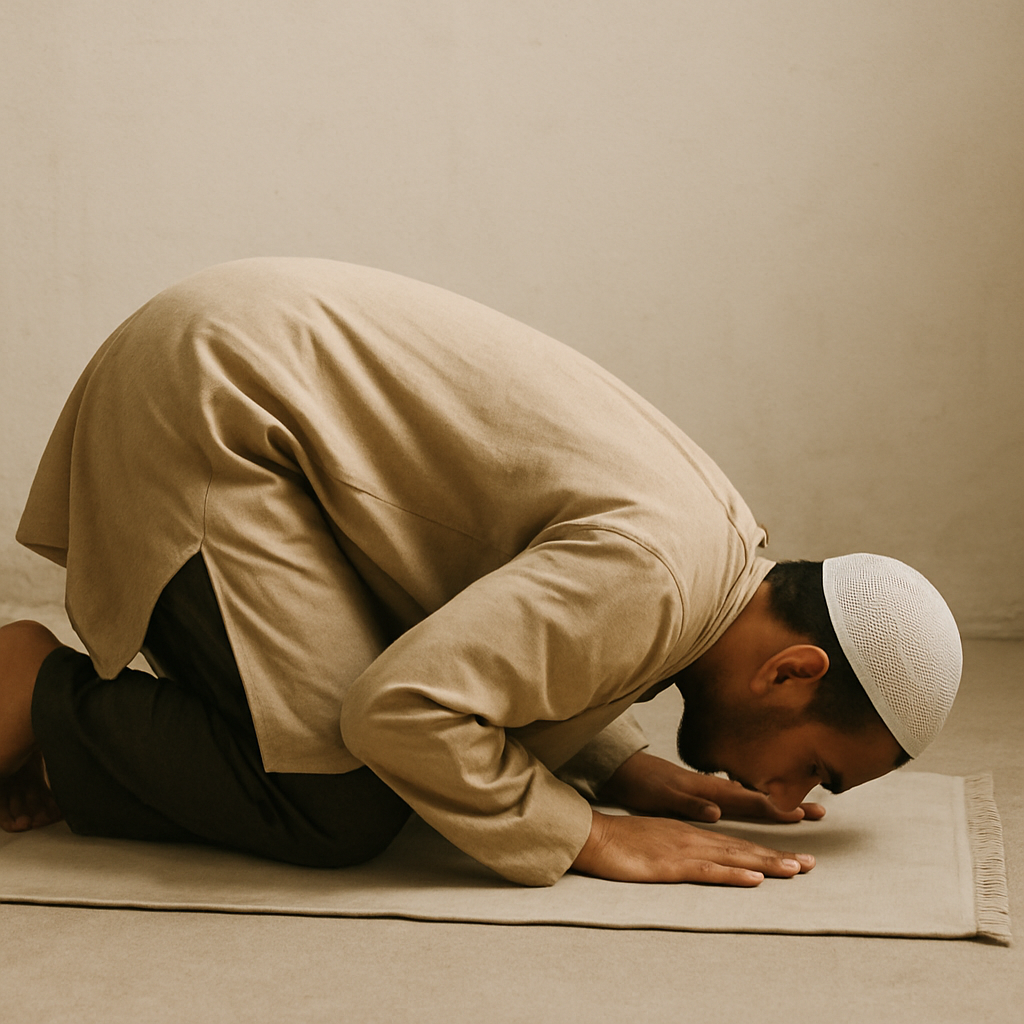
Tashahhud is a specific part of the prayer recitation in Islam, performed in a seated position. It is included in each Salah and serves as a moment of reflection and devotion. The term “Tashahhud” comes from the Arabic root word “Shahada,” meaning “to witness” or “to testify.” This reflects the declaration of faith and the acknowledgment of Allah’s presence.
The Definition and Origins of Tashahhud
The Tashahhud is derived from the Arabic root word “Shahada,” signifying the act of witnessing or testifying. This etymology highlights its role in affirming one’s faith in Allah and the prophethood of Muhammad. Historically, the Tashahhud has been a constant in the practice of Salah, tracing back to the early days of Islam, signifying its timeless importance.
The Structure of Tashahhud
The Tashahhud is a structured recitation that encapsulates core Islamic beliefs. It begins with praise to Allah, extends peace to the Prophet Muhammad, and concludes with a testimony of faith. Each component serves a unique purpose, weaving together a tapestry of devotion and submission to the divine will.
The Meaning Behind the Words
Every word in the Tashahhud carries deep meaning and significance. The initial praises to Allah recognize His sovereignty and majesty. The peace offered to the Prophet acknowledges his pivotal role in delivering the message of Islam. Finally, the testimony of faith reaffirms the believer’s commitment to monotheism and the teachings of Muhammad.
📚 Explore Our Latest Islamic Courses 📚






The Role of Tashahhud in Salah
Tashahhud occurs after the second unit (Rak’ah) of the prayer and is repeated in the final sitting of the prayer. It holds a significant place as it includes the declaration of faith, the recognition of the Prophet Muhammad, and supplications for blessings.
Placement Within the Prayer
The Tashahhud is strategically placed within the prayer, occurring after the second Rak’ah and again in the final sitting. This placement allows worshippers to pause and reflect on their connection to Allah and the Prophet, reinforcing the prayer’s spiritual objectives.
Components of the Tashahhud
The Tashahhud comprises several key elements: the opening praises to Allah, the salutations to the Prophet, and the testimony of faith. Each element is integral, creating a holistic expression of devotion and belief that reinforces the core tenets of Islam.
Significance of Repetition
The repetition of the Tashahhud in every prayer session underscores its importance. This reiteration serves as a constant reminder of the believer’s faith and duties, providing a moment of introspection and spiritual renewal with each recitation.
The Importance of Tashahhud
The Tashahhud serves as a moment to reconnect with the core tenets of Islam. It reminds worshippers of their faith and their duties towards Allah and His Messenger. This recitation reinforces the bond between the individual and their Creator.
📚 Explore Our Latest Islamic Courses 📚
Spiritual Connection
The Tashahhud acts as a spiritual anchor within the prayer, drawing worshippers closer to Allah. By reciting it, believers reaffirm their faith and deepen their spiritual connection, experiencing a profound sense of peace and divine presence.
Reinforcement of Islamic Beliefs
Reciting the Tashahhud reinforces key Islamic beliefs, reminding worshippers of their commitment to Allah and the teachings of the Prophet Muhammad. This reinforcement strengthens their resolve to live according to Islamic principles in all aspects of life.
Personal and Communal Significance
On a personal level, the Tashahhud allows for individual reflection and supplication, while its communal aspect emphasizes the unity of the Muslim ummah. It connects believers worldwide, creating a shared experience of worship and devotion.
How to Recite the Tashahhud
Tashahhud Arabic Text
Understanding the Arabic text is crucial for accurate recitation. Here is the Tashahhud in Arabic:
التَّحِيَّاتُ للهِ وَالصَّلَوَاتُ وَالطَّيِّبَاتُ، السَّلاَمُ عَلَيْكَ أَيُّهَا النَّبِيُّ وَرَحْمَةُ اللهِ وَبَرَكَاتُهُ، السَّلاَمُ عَلَيْنَا وَعَلَى عِبَادِ اللهِ الصَّالِحِينَ، أَشْهَدُ أَنْ لاَ إِلَهَ إِلاَّ اللهُ وَأَشْهَدُ أَنَّ مُحَمَّدًا عَبْدُهُ وَرَسُولُهُ
📚 Explore Our Latest Islamic Courses 📚
Importance of Arabic Mastery
Mastering the Arabic text is essential for a meaningful recitation of the Tashahhud. Understanding the nuances of the language enhances the spiritual experience, allowing worshippers to connect more deeply with the words and their significance.
Phonetic Challenges
For non-native speakers, the Arabic pronunciation can be challenging. However, with practice and guidance, these challenges can be overcome, leading to a more confident and accurate recitation that enriches the prayer experience.
Learning Resources
Numerous resources are available to assist in learning the Arabic text, from online tutorials and apps to community classes and study groups. Engaging with these resources can facilitate a deeper understanding and mastery of the Tashahhud.
Tashahhud Transliteration
For those unfamiliar with Arabic, here is the transliteration:
At-tahiyyaatu lillaahi was-salawaatu wat-tayyibaat, As-salaamu ‘alayka ayyuhan-Nabiyyu wa rahmatul-laahi wa barakaatuh, As-salaamu ‘alaynaa wa ‘alaa ‘ibaadillaahis-saaliheen. Ash-hadu al-laa ilaaha illallaahu wa ash-hadu anna Muhammadan ‘abduhu wa rasooluh.
📚 Explore Our Latest Islamic Courses 📚
Bridging the Language Gap
Transliteration serves as a bridge for those unfamiliar with Arabic, enabling them to participate in the prayer without linguistic barriers. It provides a phonetic representation of the Arabic text, facilitating a smoother recitation process.
Benefits of Transliteration
Utilizing transliteration allows worshippers to focus on the meaning and intent behind the words, rather than struggling with pronunciation. This aids in maintaining concentration and devotion during the prayer.
Transitioning to Arabic
While transliteration is a useful tool, transitioning to the original Arabic text can enhance the spiritual experience. Worshippers are encouraged to gradually shift from transliteration to Arabic, deepening their understanding and connection to the prayer.
Tashahhud Translation
To grasp the full meaning, it is helpful to understand the translation:
“All compliments, prayers, and pure words are due to Allah. Peace be upon you, O Prophet, and the mercy of Allah and His blessings. Peace be upon us and upon the righteous slaves of Allah. I bear witness that there is no deity but Allah, and I bear witness that Muhammad is His servant and Messenger.”
📚 Explore Our Latest Islamic Courses 📚
Enhancing Comprehension
Understanding the translation of the Tashahhud enriches the prayer experience, allowing worshippers to engage with the text on a deeper level. It provides clarity on the beliefs and values articulated in the recitation.
Reflecting on the Meaning
The translation invites worshippers to reflect on the profound messages within the Tashahhud, such as the praise of Allah, the acknowledgment of the Prophet, and the declaration of faith. This reflection can lead to greater spiritual insight and fulfillment.
Applying the Message
The meanings derived from the Tashahhud can be applied to daily life, guiding believers in their actions and decisions. By internalizing the values expressed in the translation, worshippers can align their lives more closely with Islamic teachings.
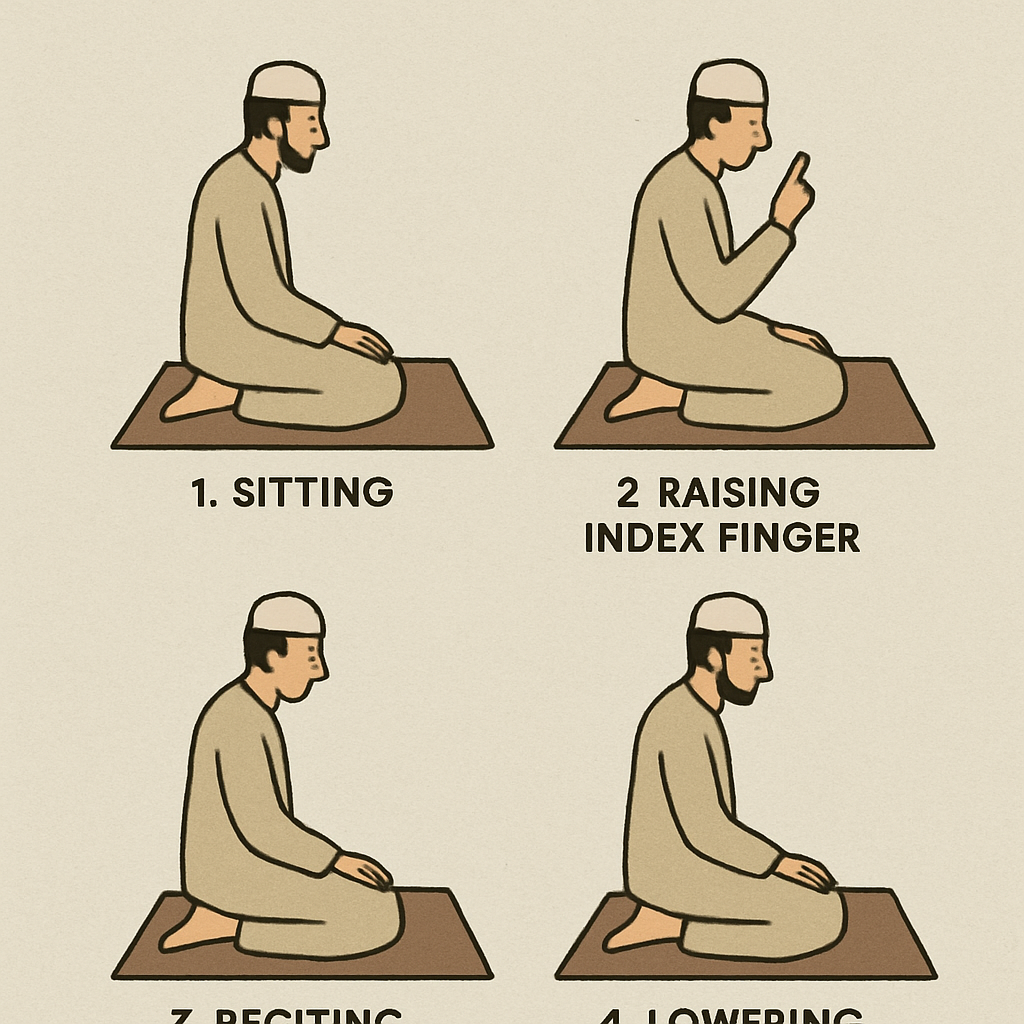
Performing the Tashahhud
- Sit in the Tashahhud position – This involves sitting on your knees with your right foot upright and your left foot flat under you.
- Recite the Tashahhud quietly – Focus on the meaning as you recite.
- Move the index finger – Some hadiths suggest moving the index finger during the testimony. This action signifies the oneness of Allah and is a physical manifestation of the faith declaration.
Physical Posture
The physical posture during Tashahhud is symbolic and intentional, reflecting humility and submission. Sitting with the right foot upright and the left foot flat signifies readiness and respect in the presence of Allah.
Quiet Recitation
Reciting the Tashahhud quietly allows for personal reflection and concentration. It encourages worshippers to focus on the meaning of the words, fostering a more intimate and spiritually enriching prayer experience.
📚 Explore Our Latest Islamic Courses 📚
Symbolism of Finger Movement
The movement of the index finger during the testimony is a symbolic gesture, representing the oneness of Allah. This physical manifestation of faith serves as a powerful reminder of the core tenet of monotheism in Islam.
Significance of the Tashahhud
Spiritual Benefits
Reciting the Tashahhud brings a sense of peace and connects the worshiper to the core beliefs of Islam. It serves as a reminder of the presence of Allah in every aspect of life and reinforces one’s commitment to live according to Islamic teachings.
Inner Peace and Tranquility
The Tashahhud offers spiritual tranquility, grounding the believer in faith and devotion. This inner peace extends beyond prayer, influencing daily interactions and fostering a serene outlook on life.
Connection to Divine Presence
Through the Tashahhud, worshippers feel a direct connection to Allah, affirming His presence in their lives. This connection provides comfort and guidance, instilling a sense of purpose and direction.
Strengthening Faith
Regular recitation of the Tashahhud reinforces faith, nurturing a resilient spiritual foundation. This strengthened faith empowers believers to navigate life’s challenges with confidence and reliance on divine support.
📚 Explore Our Latest Islamic Courses 📚
Personal Reflection
The Tashahhud provides an opportunity for personal reflection and supplication. It’s a moment to seek forgiveness, guidance, and blessings. Many people use this time to make personal prayers, asking for what they need or thanking Allah for His gifts.
Seeking Forgiveness
During the Tashahhud, worshippers can reflect on their actions and seek forgiveness for any transgressions. This introspective practice encourages accountability and spiritual growth, fostering a closer relationship with Allah.
Requesting Guidance
The recitation provides a platform to request divine guidance, asking Allah for wisdom and clarity in decision-making. This supplication acknowledges human limitations and the need for divine intervention in navigating life’s complexities.
Expressing Gratitude
The Tashahhud is also a moment to express gratitude for the blessings bestowed by Allah. Recognizing and appreciating these gifts reinforces a positive mindset and encourages a life of contentment and thankfulness.
Community Connection
The mention of “upon us and upon the righteous slaves of Allah” emphasizes the community aspect of Islam, reminding worshippers that they are part of a larger ummah (community) of believers.
📚 Explore Our Latest Islamic Courses 📚
Unity Among Believers
The communal aspect of the Tashahhud fosters a sense of unity among Muslims worldwide. By acknowledging fellow believers, worshippers reinforce their connection to the ummah, promoting solidarity and collective strength.
Shared Spiritual Experience
Reciting the Tashahhud is a shared spiritual experience, transcending geographical and cultural boundaries. This shared practice cultivates a sense of belonging and mutual support within the global Muslim community.
Encouraging Collective Responsibility
The Tashahhud reminds worshippers of their responsibilities to the community, encouraging actions that benefit the collective well-being. This awareness promotes social harmony and the pursuit of justice and compassion within the ummah.
Dua After Tashahhud

by Chris Liverani (https://unsplash.com/@chrisliverani)
After completing the Tashahhud, it is Sunnah (tradition of the Prophet) to recite specific supplications or Duas. These prayers can include seeking protection from the trials of life and afterlife, asking for peace and blessings upon the Prophet, and making personal requests to Allah.
📚 Explore Our Latest Islamic Courses 📚
Types of Duas to Recite
Various Duas can be recited after the Tashahhud, each serving a specific purpose. These include seeking protection from life’s trials, requesting blessings for the Prophet, and making personal supplications, tailored to individual needs and circumstances.
The Role of Sunnah
The recitation of Duas after the Tashahhud is rooted in the Sunnah, the practices of the Prophet Muhammad. Following these traditions enhances the spiritual experience, aligning worshippers with the example set by the Prophet.
Personalizing Supplications
Worshippers are encouraged to personalize their supplications, addressing specific needs and desires. This personalization allows for a deeper connection with Allah, fostering a more meaningful and fulfilling prayer experience.
Final Tashahhud in Salah
In the final Tashahhud of a prayer, particularly in longer prayers like the Dhuhr, Asr, Maghrib, and Isha, additional prayers known as Salat al-Ibrahimiyya are added. This includes invoking blessings upon the Prophet Muhammad and his family, similar to how Allah blessed the Prophet Ibrahim.
Inclusion of Salat al-Ibrahimiyya
The inclusion of Salat al-Ibrahimiyya in the final Tashahhud enriches the prayer, invoking blessings upon the Prophet Muhammad and his family. This addition emphasizes the continuity of prophetic tradition and the importance of family in Islam.
📚 Explore Our Latest Islamic Courses 📚
Historical Context and Significance
Salat al-Ibrahimiyya has historical roots, connecting worshippers to the legacy of the Prophet Ibrahim and his covenant with Allah. This historical context underscores the timeless nature of Islamic worship and its foundational principles.
Enhancing the Prayer Experience
Adding Salat al-Ibrahimiyya to the final Tashahhud enhances the prayer experience, providing an opportunity for extended reflection and devotion. This extension allows worshippers to deepen their connection to the prophetic tradition and the broader Islamic narrative.
Hadith About Moving Finger in Tashahhud
There are several Hadiths that describe the actions during the Tashahhud, including the movement of the finger. This gesture is symbolic of the testimony of faith, affirming the oneness of Allah.
Authenticity and Interpretation
The Hadiths concerning the movement of the finger during Tashahhud are well-documented, providing guidance on the practice. Understanding these Hadiths and their interpretations enriches the worshipper’s knowledge and appreciation of the prayer.
Symbolic Gesture of Faith
The finger movement is a symbolic gesture, representing the testimony of faith and the oneness of Allah. This action serves as a physical manifestation of belief, reinforcing the central tenet of monotheism in Islam.
📚 Explore Our Latest Islamic Courses 📚
Practicing with Intention
Incorporating the finger movement with intention enhances the spiritual significance of the Tashahhud. Worshippers are encouraged to perform this gesture mindfully, reflecting on its meaning and the commitment it represents.
Conclusion
Understanding and correctly reciting the Tashahhud is a vital part of Salah. It is not only a declaration of faith but also a moment of introspection and connection with Allah. By learning its meaning and significance, Muslims can enhance their prayer experience, making it more meaningful and spiritually fulfilling. Embracing the Tashahhud as part of daily prayers helps strengthen one’s faith and reinforces the principles of Islam in everyday life.
Embracing the Spiritual Journey
Reciting the Tashahhud is an integral aspect of the spiritual journey, offering opportunities for growth and transformation. By embracing its teachings and significance, worshippers can cultivate a deeper, more fulfilling relationship with Allah.
Enhancing Daily Practice
Incorporating the Tashahhud meaningfully into daily prayers enhances the overall practice of Salah. This enhancement leads to greater mindfulness and devotion, enriching the worshipper’s spiritual experience and daily life.
Commitment to Islamic Principles
Through the Tashahhud, believers reaffirm their commitment to Islamic principles, striving to embody these values in all aspects of life. This commitment fosters a harmonious existence, aligned with the teachings of Islam and the path to spiritual fulfillment.
📚 Explore Our Latest Islamic Courses 📚