
what to say after a prayer
Prayer is a deeply personal and spiritual experience that allows individuals to connect with the divine, offering a moment of reflection, gratitude, and hope. It serves as a bridge between the earthly and the spiritual, fostering a sense of peace and understanding. Whether you’re participating in a group prayer, listening to someone else pray, or completing a personal prayer, knowing what to say afterward can significantly enrich the experience. This guide will explore various expressions and responses that you can use after a prayer, with a focus on different cultural and religious contexts, including Islam. Embracing these practices can enhance your spiritual connections and offer a deeper sense of community and belonging.
📚 Explore Our Latest Islamic Courses 📚






Spiritual dialogue refers to the exchange of thoughts, feelings, and expressions related to spiritual practices like prayer. It encompasses the conversations and reflections that follow a prayer, providing a platform for individuals to share insights and deepen their understanding of their faith. This dialogue is an important aspect of many religious traditions and provides a way for individuals to connect more deeply with their faith and with each other. It encourages the sharing of personal experiences and interpretations, fostering a collective spiritual growth.
📚 Explore Our Latest Islamic Courses 📚
In many cultures, the words spoken after a prayer can be just as important as the prayer itself. They have the power to reinforce the intentions of the prayer, express gratitude, or invite further reflection and connection. These words can serve as a bridge between the prayer’s intentions and the real world, helping to manifest the spiritual aspirations into everyday actions. They also offer an opportunity to express solidarity and shared purpose among those present, strengthening the bonds within a community.
📚 Explore Our Latest Islamic Courses 📚
Common Responses After a Prayer
General Prayer Response Ideas
For those not bound by a specific religious tradition, general responses can be heartfelt and inclusive, serving as a universal language of spirituality. Consider these ideas:
📚 Explore Our Latest Islamic Courses 📚
- “Amen” – A widely used term that means “so be it” or “truly.” It’s a way to affirm the prayer and express agreement with its intentions. This word transcends religious boundaries and is often used in various spiritual contexts to denote a shared understanding and acceptance.
- “Thank you” – Expressing gratitude for the opportunity to pray or for the prayer itself can deepen the spiritual experience. It acknowledges the moment of connection and the shared journey towards spiritual enlightenment.
- “Blessings to all” – This inclusive expression extends the positive intentions of the prayer to everyone present. It embodies a sense of unity and shared goodwill, fostering a supportive environment.
- “May it be so” – Similar to “Amen,” this phrase conveys hope that the prayer’s intentions come to fruition. It reflects a desire for positive outcomes and the manifestation of spiritual intentions.
- “Peace be with you” – A gentle wish for peace, often used in both religious and secular settings. It serves as a reminder of the tranquility and harmony that prayer seeks to cultivate.
What to Say After a Prayer in Islam
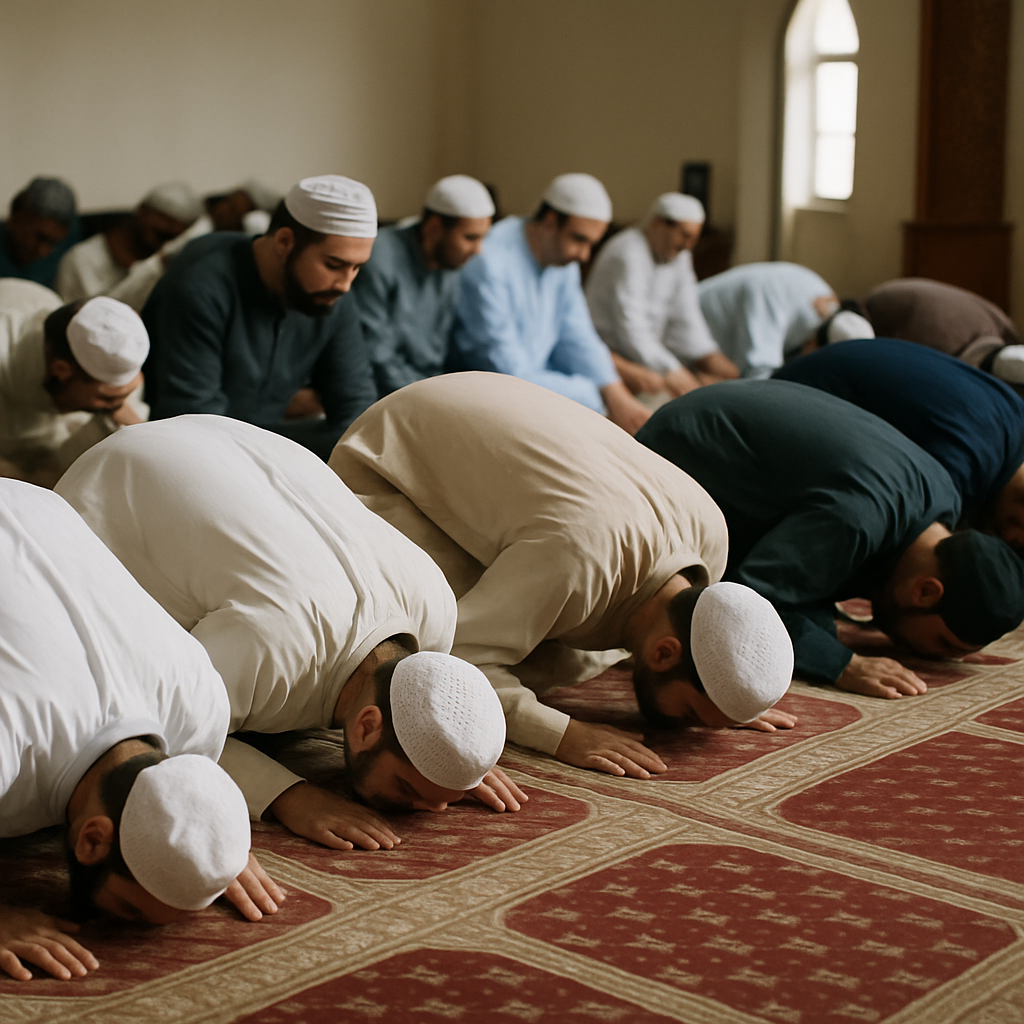
In Islam, there are specific phrases and practices associated with what to say after a prayer, each carrying deep spiritual significance. These include:
📚 Explore Our Latest Islamic Courses 📚
- “SubhanAllah” – Meaning “Glory be to God,” this phrase is often repeated in sets of 33 after each prayer. It serves as a reminder of the divine purity and perfection, encouraging humility and reverence.
- “Alhamdulillah” – Meaning “Praise be to God,” used to express gratitude. This phrase acknowledges the blessings received and serves as a constant reminder to remain thankful for all aspects of life.
- “Allahu Akbar” – Meaning “God is the greatest,” used to acknowledge the greatness of God. It reinforces the belief in God’s supreme power and authority, fostering a sense of spiritual awe and respect.
- “Astaghfirullah” – Meaning “I seek forgiveness from God,” this phrase is a way to ask for mercy and forgiveness. It reflects a commitment to spiritual growth and self-improvement, recognizing human fallibility.
- “Assalamu Alaikum” – Meaning “Peace be upon you,” typically said at the end of prayer to conclude the session and greet fellow Muslims. It promotes a sense of community and shared peace, extending the tranquility of prayer into everyday interactions.
What to Say to a Muslim After Prayer
If you’re interacting with Muslim friends or colleagues, knowing how to respond respectfully after their prayer can foster connection and understanding, bridging cultural and religious divides. Consider these responses:
📚 Explore Our Latest Islamic Courses 📚
- “MashaAllah” – Meaning “God has willed it,” a way to express appreciation for something good. It acknowledges the divine influence in positive outcomes and expresses gratitude for such blessings.
- “JazakAllah Khair” – Meaning “May God reward you with goodness,” a way to show gratitude. This phrase conveys a sincere wish for divine blessings and rewards for good deeds.
- “Assalamu Alaikum” – As a universal greeting, this can be said to extend peace and goodwill. It serves as a bridge between different cultures, promoting harmony and mutual respect.
- “Ameen” – An affirmation of the prayer, similar to saying “Amen.” It signifies agreement with the prayer’s intentions and a shared hope for their fulfillment.
Tips for Engaging in Spiritual Dialogue

by Rishikesh Yogpeeth (https://unsplash.com/@rishikesh_yogpeeth)
- Listen Actively – Pay attention to the words and emotions expressed in the prayer. This will help you respond more genuinely and build a deeper connection with the speaker.
- Reflect on the Prayer’s Message – Consider what the prayer means to you personally and how it aligns with your own beliefs. This introspection can enhance your spiritual growth and understanding.
- Be Mindful of Cultural Differences – Respect the traditions and practices of different cultures and religions. Approach spiritual dialogue with an open and accepting mindset, valuing diversity as a source of enrichment.
- Use Inclusive Language – If you’re in a diverse group, choose words that resonate broadly and respect everyone’s spiritual background. This inclusivity fosters a welcoming environment and encourages open dialogue.
- Express Genuine Sentiments – Authenticity is key. Speak from the heart and let your words reflect your true feelings and intentions. Genuine expressions foster trust and deepen spiritual connections.
The Impact of Words After Prayer
The words spoken after a prayer can have a profound impact on the individuals involved and the community as a whole. They can:
- Reinforce the intentions and emotions expressed in the prayer, helping to manifest spiritual aspirations into tangible actions.
- Create a sense of unity and shared purpose among participants, strengthening community bonds and fostering collective growth.
- Offer comfort and encouragement to those in need of support, providing a source of strength and hope in challenging times.
- Foster a deeper connection to one’s faith and spirituality, enhancing personal and communal spiritual journeys.
By thoughtfully choosing your words after a prayer, you contribute to a more meaningful and enriching spiritual experience. The impact of these words extends beyond the moment, influencing personal growth and community cohesion.
Conclusion
Knowing what to say after a prayer can enhance your spiritual practice and strengthen your connections with others. Whether you follow a specific religious tradition or prefer a more general approach, the key is to speak with sincerity and respect. Your words have the power to uplift, inspire, and unite, making them an integral part of the spiritual experience.
Remember that spiritual dialogue is an opportunity to deepen your understanding of yourself and those around you. By engaging thoughtfully and mindfully, you can make a positive impact on your spiritual journey and the journeys of those you share it with. Embrace the power of words to transform and elevate your spiritual practice, fostering a more profound connection with the divine and with the community around you.
📚 Explore Our Latest Islamic Courses 📚